
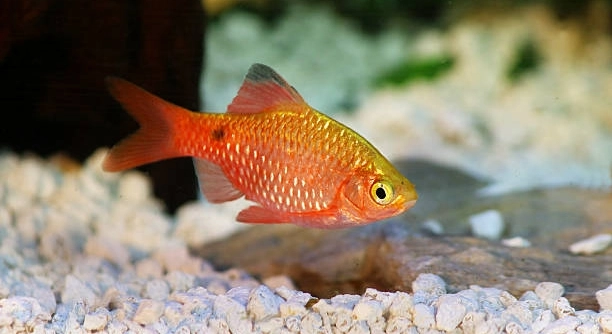
Introducing rosy barbs to a new tank can be exciting yet challenging for many aquarium hobbyists. These lively fish need the right environment and careful handling to settle comfortably in their new home. Proper introduction helps reduce stress and promotes their well-being.
The best way to introduce rosy barbs to a tank involves gradually acclimating them to the water conditions. This process includes floating their bag in the tank, slowly mixing tank water into the bag, and carefully releasing them to avoid shock. Such steps ensure a smooth transition and minimize stress-related health issues.
Understanding how to properly bring rosy barbs into your aquarium will make a big difference in their adjustment and happiness. Following these methods helps create a calm and healthy environment for your new fish friends.
Preparing the Tank for Rosy Barbs
Before adding rosy barbs to your aquarium, it’s important to prepare the tank properly. The tank should be clean and free from harmful chemicals or residues. Make sure the water temperature is stable between 74°F and 78°F, which is ideal for rosy barbs. The pH should be maintained around 6.5 to 7.0, as these fish prefer slightly acidic to neutral water. Add plants and hiding spots to give them comfort and reduce stress. A good filter system is necessary to keep the water clean and oxygenated. Cycling the tank beforehand ensures beneficial bacteria are present to handle fish waste. Take time to test water parameters regularly to avoid sudden changes that could harm the fish. Preparing the tank correctly helps create a safe environment where rosy barbs can thrive and display their natural behavior.
Proper tank preparation sets the foundation for healthy and happy rosy barbs.
Keeping a stable environment reduces stress and illness in your new fish, making their transition smoother.
Acclimating Rosy Barbs to the Tank
Acclimating rosy barbs means adjusting them slowly to their new water conditions.
Start by floating the sealed bag in the tank for about 15 to 20 minutes. This equalizes the temperature between the bag water and the tank water. Next, open the bag and add small amounts of tank water into it every 5 minutes. This helps the fish get used to the new water chemistry. After about 30 to 45 minutes of this gradual mixing, gently release the rosy barbs into the tank. Avoid pouring the water from the bag directly into the tank to prevent introducing contaminants. This slow process minimizes stress and reduces the risk of shock, which can weaken fish and cause health problems. Patience during acclimation increases the chance that your rosy barbs will adjust well and begin to explore their new home comfortably.
Monitoring Water Quality After Introduction
Checking water quality is essential after adding rosy barbs to the tank. Poor water conditions cause stress and illness quickly. Test for ammonia, nitrites, and nitrates regularly. Keep parameters stable to help fish adjust and stay healthy.
Maintaining proper water quality prevents common problems like ammonia spikes or low oxygen levels. Freshwater fish like rosy barbs are sensitive to changes, so daily checks during the first week are important. If you detect any harmful levels, perform partial water changes immediately. This helps keep the environment safe and supports the fish’s immune system. Avoid overfeeding as leftover food can pollute the tank quickly. Clean filters as needed but avoid disrupting beneficial bacteria too much. Consistent care during this period builds a strong foundation for the fish’s long-term health and activity.
Water quality directly impacts how well rosy barbs settle in. Staying on top of tests and maintenance prevents many health issues and helps fish thrive in their new environment.
Introducing Rosy Barbs to Tank Mates
Rosy barbs are generally peaceful but can be active swimmers. Choose tank mates that tolerate similar water conditions and activity levels. Avoid overly aggressive or very shy species.
When adding rosy barbs to a community tank, consider fish size and temperament. Larger, fast-moving species tend to work best, as they match the rosy barbs’ energetic nature. Introducing them gradually allows the fish to establish territories and reduces stress. Monitor interactions closely during the first few days to catch any signs of bullying or aggression. If problems arise, separating fish temporarily might be necessary. Providing plenty of plants and hiding spots helps reduce conflicts and gives shy fish safe areas. A balanced community tank with compatible species creates a peaceful, active environment where rosy barbs can enjoy life with their tank mates.
Feeding Rosy Barbs After Introduction
Feeding rosy barbs right after introducing them is key to their recovery and adjustment. Start with small, frequent meals of high-quality flakes or pellets to avoid overfeeding.
Offering a balanced diet that includes live or frozen foods can boost their immune system. Observe their appetite closely to ensure they are eating well and not stressed.
Avoiding Stress During Introduction
Stress weakens rosy barbs and can lead to illness. Minimize loud noises and sudden movements near the tank during their first days.
Maintain stable lighting and avoid overcrowding. Providing a calm environment helps the fish settle quickly and reduces the chance of shock or aggressive behavior.
Using a Quarantine Tank
Quarantining new rosy barbs before adding them to the main tank prevents disease spread. This step protects both new and existing fish.
A quarantine period of two weeks allows observation for signs of illness and treatment if needed before full introduction.
FAQ
How long should I acclimate rosy barbs before adding them to the tank?
Acclimating rosy barbs typically takes about 30 to 45 minutes. During this time, gradually mix tank water into the bag to help the fish adjust to new water conditions. This slow process reduces stress and prevents shock, which can be harmful or even fatal.
Can rosy barbs live with other fish?
Yes, rosy barbs can live peacefully with many community fish. They do best with species that have similar water requirements and temperaments. Avoid keeping them with very aggressive or very shy fish, as this can lead to stress or bullying.
What water temperature is best for rosy barbs?
Rosy barbs prefer water temperatures between 74°F and 78°F (23°C to 26°C). Keeping the temperature stable within this range supports their metabolism and immune system, helping them stay healthy.
How often should I feed rosy barbs?
Feed rosy barbs small amounts two to three times a day. Overfeeding can pollute the tank and harm water quality. Use high-quality flakes or pellets and occasionally offer live or frozen foods for variety and extra nutrients.
What signs show that rosy barbs are stressed after introduction?
Signs of stress include hiding, loss of appetite, clamped fins, and erratic swimming. These behaviors usually appear soon after introduction. Stress can result from poor water quality, sudden changes, or aggressive tank mates.
Is it necessary to quarantine rosy barbs before adding them to the main tank?
Quarantining is highly recommended. Keeping new fish in a separate tank for two weeks helps detect diseases early and prevents spreading infections to existing fish. It also gives the new rosy barbs time to recover from shipping stress.
How often should I test the water after introducing rosy barbs?
Test water daily for at least the first week after introduction. Monitor ammonia, nitrite, nitrate, pH, and temperature to catch any problems early. Stable water conditions are crucial for fish health during this adjustment period.
What type of tank setup suits rosy barbs best?
A well-planted tank with open swimming space is ideal for rosy barbs. Provide hiding places with live or artificial plants and maintain good filtration to keep water clean and oxygen-rich. This setup mimics their natural environment and reduces stress.
How large should the tank be for rosy barbs?
A minimum tank size of 20 gallons is recommended for a small group of rosy barbs. They are active swimmers and prefer to be kept in groups of five or more, so enough space is important for their well-being.
Can rosy barbs jump out of the tank?
Yes, rosy barbs are known to jump occasionally. A secure lid or cover on the aquarium helps prevent accidents and keeps the fish safe inside the tank.
Introducing rosy barbs to a new tank takes careful planning and patience. Following the right steps helps ensure these colorful fish adjust well to their new environment. Proper tank preparation, gradual acclimation, and close monitoring of water quality are key to reducing stress and preventing illness. Taking time to observe the fish during the first days makes it easier to spot any problems early. Small actions like providing hiding spots and avoiding sudden changes also support their comfort. When done correctly, these steps create a safe and welcoming home for rosy barbs.
Choosing compatible tank mates and feeding rosy barbs a balanced diet also contribute to their health and happiness. Rosy barbs are lively fish, so they need companions with similar energy levels and water needs. Introducing fish slowly and watching their behavior helps avoid conflicts and stress. Feeding small amounts of food several times a day keeps water clean and ensures the fish get proper nutrition. Variety in their diet, such as including live or frozen foods, can boost their immune system. These thoughtful care routines make a big difference in how well rosy barbs thrive in an aquarium.
Taking time to understand your rosy barbs’ needs shows in their behavior and appearance. When they are healthy and stress-free, they display bright colors and active swimming. Following good introduction practices and maintaining a stable environment improves their long-term health. While every tank and fish can be different, these general guidelines offer a strong foundation for success. Watching rosy barbs settle comfortably into a new home can be rewarding. Consistent care, patience, and attention will help keep your aquarium a vibrant and balanced space for these charming fish.

Hello,
If you enjoy the content that we create, please consider saying a "Thank You!" by leaving a tip.
Every little bit helps us continue crafting quality advice that supports the health, happiness, and well-being of pets around the world, for pets of all shapes, sizes, and species.
We really appreciate the kindness and support that you show us!