
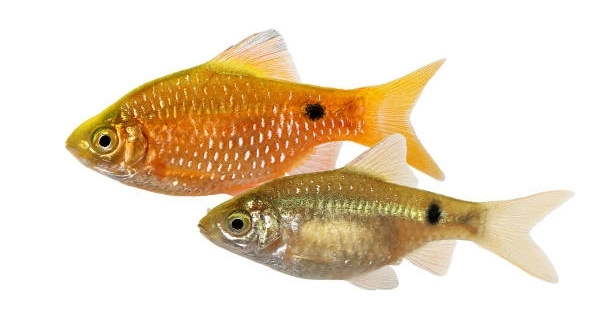
Many fish owners notice when a rosy barb seems to avoid its tank mates. This behavior can be puzzling, especially in a species known for its social nature. Understanding the reasons behind this can improve your fish’s well-being.
Rosy barbs may isolate themselves due to stress, illness, or dominance struggles within the tank. Environmental factors like poor water quality or insufficient hiding spaces can also contribute to this behavior, affecting their social interactions and overall health.
Recognizing these causes can help create a better environment and restore harmony among your fish. This article explores common reasons and practical solutions to support your rosy barb’s social life.
Reasons for Avoidance Behavior in Rosy Barbs
Rosy barbs sometimes distance themselves from others when they feel stressed or unsafe. Stress can come from sudden changes in water temperature, overcrowding, or poor water quality. Illness is another cause—sick fish often hide to protect themselves. Dominance issues can also arise, especially in smaller tanks, where one fish may bully others. Lack of hiding places can leave shy fish feeling exposed, increasing their desire to avoid others. When a rosy barb isolates itself, it is usually a sign that something in the environment needs adjustment. Observing your fish closely can help identify changes in behavior early, allowing timely intervention. Keeping water clean, maintaining stable conditions, and providing plants or decorations to hide behind can greatly improve social behavior. This helps rosy barbs feel more secure, reducing stress and promoting healthier interactions within the tank.
Rosy barbs need space and stable conditions to maintain social balance. Stress and illness affect their interactions.
Monitoring tank conditions and behavior will help your fish feel safe and engage more with their group.
How to Encourage Social Behavior in Rosy Barbs
Creating a calm environment is essential for rosy barbs to interact comfortably. Make sure the tank is large enough, ideally with a minimum of 20 gallons for a small group. Provide plenty of plants, rocks, and decorations for hiding spots, which give fish places to retreat when needed. Regular water changes and stable temperature help keep stress levels low. Introducing new fish should be done slowly to avoid triggering aggression. Feeding a varied diet also supports their health and vitality. Sometimes, simply rearranging the tank layout can reduce territorial disputes by disrupting established dominance patterns. Observing your fish daily allows you to notice early signs of stress or illness, so you can act quickly. Patience is key, as it may take several days or weeks for shy or stressed rosy barbs to start mingling again. Consistent care creates a peaceful environment where they can thrive socially.
Common Health Issues Affecting Social Behavior
Illness often causes rosy barbs to isolate themselves from others. When a fish feels weak or unwell, hiding helps conserve energy and avoid threats. Common health problems include fin rot, parasites, and bacterial infections. These issues affect their mobility and overall comfort, making interaction difficult.
Signs of illness can include faded colors, clamped fins, and unusual swimming patterns. Water quality plays a significant role in fish health, so maintaining proper filtration and regular water changes is essential. Poor conditions can weaken immune systems, increasing vulnerability to disease. Treating illnesses promptly with appropriate medications helps restore normal behavior and prevents spreading to other fish.
Observation is key to catching health problems early. When rosy barbs start avoiding their group, check water parameters and look for visible symptoms. Early intervention ensures a quicker recovery and a better chance for your fish to rejoin the community.
Tank Environment and Its Impact on Rosy Barb Behavior
Tank size and layout directly influence how rosy barbs interact. Crowded tanks create stress and increase aggression, leading to avoidance. A well-planned aquarium offers enough swimming space and hiding spots to reduce conflict. Decorations such as plants and rocks break up sightlines, lowering territorial disputes and allowing shy fish to feel secure.
Lighting and water temperature also affect fish comfort. Bright, constant lighting can stress some fish, while too dim lighting may reduce activity. Maintaining stable temperatures between 64°F and 72°F supports healthy behavior. Changes in tank environment should be gradual to avoid shocking your fish. Paying attention to these details helps create a balanced setting where rosy barbs can socialize naturally without fear or stress.
Signs of Stress in Rosy Barbs
Stress causes rosy barbs to act differently, such as hiding or swimming erratically. They may lose color or stop eating. These behaviors signal that something in their environment needs attention.
Stress can result from overcrowding, poor water quality, or aggressive tank mates. Monitoring these factors helps keep your fish calm and social.
Adjusting Tank Mates for Better Social Dynamics
Choosing compatible tank mates is important. Aggressive or overly active fish can intimidate rosy barbs, causing them to avoid interaction. Peaceful species of similar size generally work best. Avoid fin-nipping fish, as they can increase stress and isolation in rosy barbs.
Feeding’s Role in Behavior
Proper feeding supports health and activity. A balanced diet with flakes, pellets, and occasional live food keeps rosy barbs energetic and less likely to hide.
Observation Tips
Watch your fish regularly to catch early signs of stress or illness. Early action prevents long-term problems.
FAQ
Why is my rosy barb hiding from the others?
Rosy barbs hide when they feel stressed, sick, or threatened. Stress can come from poor water quality, overcrowding, or aggressive tank mates. Illness weakens them and makes hiding a natural defense. Providing a stable environment with enough space and hiding spots helps them feel safe and more social.
How can I tell if my rosy barb is sick?
Look for faded colors, clamped fins, sluggish movement, or unusual swimming patterns. Loss of appetite and hiding more than usual are also signs. Testing water quality and observing for visible spots or lesions can help identify illness early, allowing for prompt treatment.
Can tank size affect rosy barb behavior?
Yes, a tank that is too small increases stress and aggression among rosy barbs. They need enough space to swim freely and establish territories. Overcrowding can cause them to avoid each other or fight. A tank of at least 20 gallons is recommended for a small group.
What tank mates are best for rosy barbs?
Peaceful fish of similar size usually work best. Avoid aggressive or fin-nipping species, as they cause stress and social withdrawal. Good companions include danios, tetras, and other medium-sized community fish that won’t bully the rosy barbs.
How often should I change the water to keep rosy barbs healthy?
Performing a 25-30% water change weekly helps maintain water quality. Consistent water changes remove toxins and keep the environment stable. This reduces stress and supports your fish’s immune system, encouraging natural social behavior.
Does lighting affect rosy barb behavior?
Yes, too bright or constant lighting can stress rosy barbs. Providing a natural day-night cycle with moderate lighting helps them stay active and comfortable. Plants and decorations can offer shaded areas, allowing shy fish to feel secure.
Why does my rosy barb act aggressive sometimes?
Aggression usually comes from territorial disputes or overcrowding. Rosy barbs may chase others to establish dominance. Ensuring enough space, hiding spots, and proper group size reduces aggressive behavior and helps fish coexist peacefully.
Can diet impact my rosy barb’s social behavior?
A balanced diet keeps rosy barbs healthy and energetic. Feeding high-quality flakes or pellets with occasional live or frozen foods supports their vitality. Well-fed fish are less stressed and more likely to interact with tank mates.
What should I do if one rosy barb is constantly avoiding the group?
Check for signs of illness and water quality issues first. Ensure the tank isn’t overcrowded and there are plenty of hiding spots. If aggression is present, consider separating aggressive fish temporarily. Sometimes rearranging the tank can reset territorial boundaries.
Is it normal for rosy barbs to sometimes swim alone?
Occasional solo swimming is normal, especially when resting or exploring. Persistent isolation, however, may signal stress or health problems. Watching their behavior over time helps determine if intervention is needed.
How long does it take for shy rosy barbs to join the group?
It varies, but shy or stressed fish can take days to weeks to feel comfortable. Patience, stable conditions, and reducing stress factors help speed up this process. Consistent care encourages gradual socialization.
Can environmental changes cause rosy barbs to avoid each other?
Yes, sudden changes in water temperature, pH, or tank setup can stress fish. Stress often leads to avoidance behavior. Introducing changes slowly and monitoring the fish closely helps maintain harmony.
Are rosy barbs schooling fish?
Rosy barbs are semi-social and prefer living in groups of at least five. Group living reduces stress and encourages natural behaviors. Keeping them in proper numbers prevents loneliness and aggression.
What plants or decorations are best to help rosy barbs feel secure?
Live or artificial plants, rocks, and caves offer hiding places and break up sightlines. Dense vegetation near the tank bottom is especially helpful for shy or stressed fish. These elements provide security and reduce conflicts.
Can illness spread quickly among rosy barbs?
Yes, diseases can spread fast in a shared tank. Quarantining new fish before adding them and maintaining good water quality are key steps. Early detection and treatment minimize risks to the entire group.
Rosy barbs are lively and social fish, but they can sometimes show signs of avoiding their tank mates. This behavior often signals that something in their environment or health needs attention. Stress, illness, or unsuitable tank conditions can make a rosy barb want to hide or stay apart. Understanding the reasons behind this behavior is important for keeping them healthy and comfortable. Providing a stable environment with clean water, enough space, and places to hide helps reduce stress and supports their natural social instincts. When fish feel safe, they are more likely to interact and swim together peacefully.
Taking good care of the tank and watching your rosy barbs regularly makes a big difference. Illnesses like fin rot or parasites can make a fish weak and less social. Early signs, such as faded colors or unusual swimming, should never be ignored. Testing water quality and performing regular water changes keep the tank healthy and prevent many common problems. Feeding a balanced diet supports their immune system and energy levels. It also encourages activity, which helps fish feel more confident in their group. When aggression or overcrowding occurs, rearranging the tank or choosing better tank mates can reduce tension. Small adjustments often improve social behavior and create a calm community.
Patience is key when helping a rosy barb adjust or recover from stress or illness. Some fish take longer to feel comfortable and join the group again. Avoiding sudden changes in water parameters and maintaining steady care routines provide a peaceful setting for your fish. Observing their behavior over time helps spot problems early and gives clues on what to improve. A healthy and stress-free environment encourages rosy barbs to thrive socially. Focusing on their well-being creates a balanced tank where these colorful fish can live happily together.

Hello,
If you enjoy the content that we create, please consider saying a "Thank You!" by leaving a tip.
Every little bit helps us continue crafting quality advice that supports the health, happiness, and well-being of pets around the world, for pets of all shapes, sizes, and species.
We really appreciate the kindness and support that you show us!