
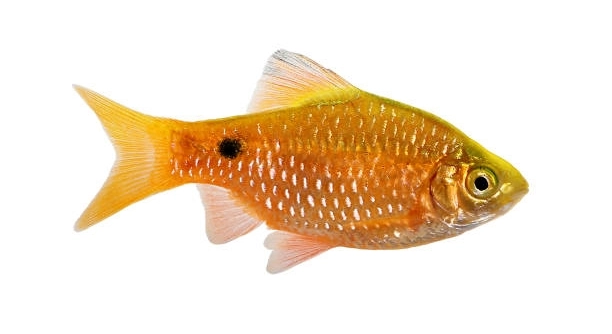
Rosy barbs are popular freshwater fish kept in home aquariums. Their social nature means they often interact with others of their kind. Recognizing their emotional well-being can improve their care and overall health.
A lonely rosy barb often shows signs such as reduced activity, hiding more frequently, loss of appetite, and a duller coloration. These behaviors indicate a lack of social interaction, which is vital for their mental and physical health in captivity.
Understanding these signs can help maintain a happier environment for your fish. Proper care ensures your rosy barb thrives in its aquarium community.
Signs Your Rosy Barb Might Be Lonely
When a rosy barb is lonely, it often changes its usual behavior noticeably. It may swim less actively or stay in one corner of the tank more than before. You might notice it hiding behind plants or decorations, avoiding the main swimming areas where it once enjoyed being. The fish can also lose interest in food, eating less or ignoring meals altogether. Its colors might appear duller, lacking the bright shine rosy barbs are known for. Sometimes, a lonely rosy barb will act more aggressively toward tank mates or, conversely, withdraw completely. These changes signal that the fish is missing social interaction, which is essential for its mental stimulation and well-being. Providing the right tank companions or adjusting the environment can help improve its mood and health.
These signs are clear indicators that your fish needs social contact to stay healthy and active.
Loneliness affects both the physical and emotional health of rosy barbs. Without companions, they can become stressed, leading to weakened immune systems and higher chances of illness. Adding more rosy barbs or compatible fish species can encourage natural schooling behavior, making your tank livelier. Ensuring the tank has enough space and hiding spots also helps reduce stress. Watching how your fish interact over time gives clues about their social needs. Proper care focused on their social environment supports happier, healthier fish in the long run.
How to Help Your Rosy Barb Feel Less Lonely
Introducing new tank mates gradually helps your rosy barb adjust without stress. Always observe interactions to avoid aggression or bullying among fish.
Adding companions that share similar temperaments and size encourages social behavior and reduces isolation. Make sure your aquarium is large enough to support a group, giving each fish enough space to swim freely. Keep the environment enriched with plants and decorations to provide hiding places and stimulation. A well-maintained tank with clean water also promotes a healthy, stress-free habitat. Patience is key when introducing new fish, as it may take time for them to bond and start schooling naturally. Regular observation will help you detect any ongoing issues or improvements in their behavior. By addressing loneliness carefully, you support your rosy barb’s well-being effectively.
Creating a Social Environment for Your Rosy Barb
A social environment helps reduce loneliness in rosy barbs. They naturally enjoy schooling and benefit from the company of their own kind.
Providing a group of at least five rosy barbs encourages natural swimming patterns and interaction. This social setting reduces stress and promotes activity. The tank should be spacious enough to allow movement without overcrowding, as too many fish can cause tension. Adding other peaceful fish species with similar temperaments can also improve the environment, but avoid aggressive or very different fish. Regular tank maintenance keeps the water clean, preventing health issues that can affect behavior. Plants and decorations offer places to explore and hide, making the tank more stimulating and comfortable.
Monitoring your fish regularly helps ensure they remain social and healthy. Adjustments may be needed if signs of loneliness or aggression appear. A balanced, social aquarium supports your rosy barb’s well-being effectively.
Monitoring Behavior Changes Over Time
Watching your rosy barb’s behavior helps detect loneliness early. Consistent observation reveals patterns in activity, feeding, and social interaction.
Tracking changes over weeks allows you to spot subtle signs like reduced swimming or hiding. Feeding response is another key indicator—if your fish loses interest, loneliness might be a factor. Social interaction with other fish should be frequent and active. Aggressive or withdrawn behavior may indicate stress or discomfort. Keeping a simple journal or notes helps identify trends and guides adjustments in tank setup or companions. Regular checks ensure that your interventions improve your fish’s mood and health.
Early detection and response prevent prolonged loneliness, supporting a healthier life for your rosy barb.
Preventing Loneliness in Rosy Barbs
Keeping rosy barbs in groups helps prevent loneliness from developing. Aim for at least five fish to maintain natural social behavior.
Regular interaction and a well-maintained tank environment reduce stress. Providing hiding spots and plants creates comfort and stimulation for your fish.
Choosing Compatible Tank Mates
Selecting peaceful, similarly sized fish ensures a harmonious tank. Avoid aggressive or overly active species that could stress rosy barbs.
Compatible tank mates encourage social interaction without causing competition or bullying. Proper species selection supports a balanced and healthy aquarium community.
Adjusting Tank Setup for Better Socialization
A spacious tank with plenty of swimming room helps rosy barbs stay active together. Adding plants and decorations offers places to explore and hide.
These elements reduce stress and encourage natural behaviors. Keeping water quality high supports their overall health, making socializing easier for your fish.
Signs to Watch Closely
Changes in appetite, color, or activity levels can indicate stress or loneliness. Early attention helps prevent long-term problems.
FAQ
How many rosy barbs should I keep together?
Rosy barbs are schooling fish and do best in groups of at least five. Smaller groups can lead to stress and loneliness, which affects their health. Keeping them in a proper group encourages natural swimming patterns and social interaction, making your fish more active and healthy.
Can a single rosy barb live alone?
While a single rosy barb can survive alone, it often becomes stressed or lonely without companions. This may lead to changes in behavior such as hiding, dull coloration, or loss of appetite. It’s better for their mental and physical health to keep them with others of their kind.
What are the signs my rosy barb is lonely?
Signs of loneliness include reduced activity, frequent hiding, loss of appetite, and dull colors. You may also notice more aggressive or withdrawn behavior compared to their usual social habits. These symptoms suggest your fish needs more social interaction or environmental enrichment.
Can other fish help my rosy barb feel less lonely?
Yes, some peaceful fish species can be good companions if they share similar temperaments and size. Avoid aggressive or very different species, as they can cause stress. Adding compatible tank mates encourages social behavior and reduces isolation in rosy barbs.
How do I introduce new fish to my tank?
Introduce new fish slowly and carefully. Quarantine new additions before adding them to the main tank to prevent disease. Observe the fish closely for signs of aggression or stress. Rearranging decorations before introducing new fish can help reduce territorial behavior.
What tank size is best for rosy barbs?
A tank of at least 30 gallons is recommended for a small group of rosy barbs. More space allows them to swim freely and reduces stress caused by overcrowding. Larger tanks also provide room for decorations and plants, which create a stimulating environment.
How important is tank decoration for social fish?
Decorations like plants, rocks, and hiding spots are very important. They offer shelter and reduce stress by giving fish places to retreat. A well-decorated tank encourages natural behaviors and helps fish feel safe, improving their social interactions.
What if my rosy barb shows aggression?
Some level of chasing or nipping can be normal, but excessive aggression might indicate stress or overcrowding. Check if the tank is too small or if tank mates are incompatible. Increasing tank size, adding hiding places, or changing companions can help reduce aggression.
How often should I observe my rosy barbs?
Regular observation is key to spotting early signs of loneliness or illness. Daily brief checks are good, focusing on swimming, feeding, and interaction with other fish. Noticing small changes early allows timely adjustments to improve their well-being.
Can water quality affect my rosy barb’s social behavior?
Yes, poor water quality causes stress, which impacts behavior and health. Keep the tank clean with regular water changes and monitor parameters like ammonia, nitrite, and nitrate levels. Healthy water helps maintain active, social fish.
What diet helps maintain healthy social behavior?
A balanced diet with high-quality flakes, pellets, and occasional live or frozen foods supports health and energy. Proper nutrition boosts immune function and encourages normal behavior. Feeding small amounts several times a day is better than one large meal.
Can loneliness cause health problems in rosy barbs?
Yes, loneliness leads to stress, which weakens the immune system and makes fish more prone to disease. It can also cause behavioral issues that further harm their health. Providing companionship and a good environment helps prevent these problems.
Is it okay to keep rosy barbs with different species?
It depends on the species. Choose peaceful fish of similar size that won’t compete aggressively for food or space. Avoid overly aggressive or very small fish that may become targets. Proper species selection creates a balanced community tank.
How long does it take for rosy barbs to adjust to new companions?
Adjustment times vary but usually take a few days to a couple of weeks. During this time, watch for signs of stress or aggression. Provide plenty of hiding spots to ease the transition and reduce conflicts.
What should I do if my rosy barb is still lonely after adding tank mates?
Review tank size, water quality, and decoration to ensure a suitable environment. Sometimes the group size may be too small or companions incompatible. Increasing the number of rosy barbs or changing tank mates can improve social conditions.
Can I keep only one rosy barb if I have a busy schedule?
Single rosy barbs often become stressed and lonely, so this is not ideal. If time or space is limited, consider a fish species that is more solitary. Rosy barbs thrive in groups and need social interaction for their well-being.
Does tank lighting affect rosy barb behavior?
Proper lighting supports natural behavior and helps regulate their activity cycles. Too much or too little light can cause stress or inactivity. A balanced lighting schedule that mimics natural daylight supports their health and social habits.
Are rosy barbs noisy or disruptive in a community tank?
Rosy barbs are quiet fish and do not produce noise. They are active swimmers and can be lively but generally do not disturb other fish. Their peaceful nature makes them good community tank members when paired correctly.
What are the best signs that my rosy barb is happy and social?
Active swimming in groups, bright coloration, regular feeding, and interaction with tank mates are positive signs. A happy rosy barb explores the tank, shows curiosity, and participates in schooling behaviors.
How can I tell if my tank is overcrowded?
Signs include aggressive behavior, stress-related illnesses, poor water quality, and fish hiding excessively. Overcrowding reduces swimming space and increases waste buildup. Ensure adequate tank size and proper filtration to avoid these problems.
Final Thoughts
Taking care of rosy barbs means paying attention to their social needs as much as their physical health. These fish are naturally social creatures that thrive in groups. Keeping them alone can lead to loneliness, which affects their behavior and well-being. Watching for signs like reduced activity, hiding, or loss of appetite helps identify when your fish may be feeling isolated. Acting early to improve their social environment can prevent stress and health problems. A healthy, social setting encourages rosy barbs to display their natural, lively behaviors and vibrant colors.
Providing a proper environment for rosy barbs involves more than just adding companions. The tank size needs to be sufficient to give them room to swim freely and avoid overcrowding. Decorations like plants and hiding spots create comfort and reduce stress, making the tank a better place for social interaction. Water quality also plays a big role in keeping fish healthy and happy. Regular maintenance ensures clean water and stable conditions, which supports good behavior and reduces the risk of illness. When all these factors come together, rosy barbs are more likely to thrive and interact naturally.
Loneliness in fish is often overlooked but is just as important as other care aspects. By understanding the signs and adjusting the tank environment, you help your rosy barbs live healthier, more fulfilling lives. Patience is important when introducing new fish or changing the tank setup, as it may take time for your fish to adjust. Regular observation and care keep your fish comfortable and social. In the end, a well-cared-for group of rosy barbs is active, colorful, and engaging to watch, showing the benefits of attention to their social needs.

Hello,
If you enjoy the content that we create, please consider saying a "Thank You!" by leaving a tip.
Every little bit helps us continue crafting quality advice that supports the health, happiness, and well-being of pets around the world, for pets of all shapes, sizes, and species.
We really appreciate the kindness and support that you show us!