
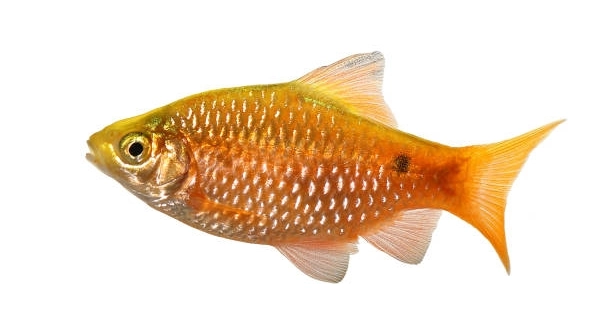
Is your Rosy Barb spending more time hiding than swimming around its tank like it used to? It’s a bit concerning. Watching an active fish suddenly go quiet can leave you wondering what went wrong.
The most common reason Rosy Barbs hide is due to stress from environmental changes, illness, or tank mate aggression. These stressors affect their behavior, often making them retreat to corners or decorations to feel safe.
Learning why this happens is the first step toward helping your fish feel secure again—and creating a healthier, happier aquarium overall.
Stress from Sudden Environmental Changes
Rosy Barbs are sensitive to changes in their environment. A sudden shift in water temperature, pH, or even lighting can make them feel unsafe. When this happens, they may retreat and hide more than usual. Something as simple as a recent water change or a new tank decoration could trigger this behavior. If the tank was recently moved or cleaned too aggressively, the fish might also react by becoming more reclusive. These changes disrupt their comfort and sense of routine. Over time, if the stress isn’t addressed, it can affect their health and overall well-being. Making small adjustments to your setup without shocking their environment helps ease this stress. Ensure any changes are gradual—this includes water parameters, lighting schedules, or introducing new items. Regular monitoring with reliable water test kits is essential. Keeping things steady is often the best way to help your Rosy Barb feel secure again.
Check your tank setup for anything that might have changed recently. Even a shift in water temperature by a few degrees can stress your fish out quickly.
Use a heater with a thermostat to keep the temperature stable. Test the water weekly for ammonia, nitrites, nitrates, and pH levels. Avoid rapid changes to reduce stress.
Aggressive or Overactive Tank Mates
Sometimes Rosy Barbs hide because other fish are bothering them. If you added new tank mates recently or if some fish have started acting more aggressive, that could be the reason.
Rosy Barbs do best in peaceful community tanks. While they’re usually active and social, they can be easily spooked by fast or aggressive fish like Tiger Barbs or larger cichlids. When tank mates chase or nip at them, Rosy Barbs often retreat to corners, plants, or behind decorations. Long-term stress from bullying can lead to loss of color, poor eating, and even illness. To fix this, observe the tank during feeding and quiet times to see if other fish are harassing your Rosy Barb. If needed, rearrange the decor to break line-of-sight or add more hiding spots. In more severe cases, separating the aggressive fish or moving your Rosy Barb to a different tank may be necessary. Creating a calmer tank helps your Rosy Barb regain confidence and become active again.
Poor Water Quality
Dirty or unbalanced water can stress out your Rosy Barb and cause it to hide. High levels of ammonia, nitrites, or nitrates make it hard for them to breathe and feel safe in their environment.
Even if the tank looks clean, water parameters might be off. Ammonia and nitrite should always be at zero, and nitrates should stay under 20 ppm. Overfeeding, skipped water changes, and old filter media all contribute to poor water quality. Regular water testing is important, and partial water changes (about 25% weekly) help keep conditions safe. Also, make sure the filter is working properly and not clogged. Sometimes the issue is subtle, like an old sponge filter not circulating water well anymore. Keeping your water clean and steady will encourage your Rosy Barb to swim confidently again.
You might also notice sluggish movement or faded color if water quality is declining. These are early signs of stress. If ignored, it can lead to illness and more hiding behavior. Cleaning the tank doesn’t mean starting over; just vacuum the gravel gently and replace a portion of the water. Use a good conditioner to remove chlorine and heavy metals. Clean water creates a calm, healthy home that your Rosy Barb can feel safe in.
Lack of Hiding Spots and Plants
When there aren’t enough hiding spots, fish can feel exposed. Rosy Barbs need plants, caves, or decor to feel secure. Without them, they may hide behind the filter or heater instead, showing signs of discomfort.
Rosy Barbs are naturally active but still need places to retreat. Adding live or silk plants, driftwood, and small caves can make a big difference in their behavior. A well-decorated tank creates a sense of territory and gives shy fish more control over their space. Avoid overcrowding, but don’t leave the tank too open either. Plants like Java fern or Anubias are hardy and easy to care for, and they offer shade and shelter. You might see your Rosy Barb become more active once it feels there are enough spots to hide safely if needed. It’s a simple change that can boost confidence and help your fish feel more at home.
Illness or Injury
If your Rosy Barb is sick or injured, it will often hide to avoid attention. Look for other signs like torn fins, pale color, or heavy breathing. Hiding helps them conserve energy and feel safer when they’re not feeling well.
Treating the root cause quickly is important. Use a quarantine tank if needed and monitor for parasites or fungal spots. A stressed fish won’t heal properly in a high-traffic or aggressive tank setup.
Bright or Harsh Lighting
Too much light can make Rosy Barbs uncomfortable. Harsh lighting with no shaded areas can cause them to hide more. Softening the lighting or adding floating plants can help create a gentler environment. It’s best to mimic a natural day-night rhythm.
Boredom or Lack of Stimulation
Rosy Barbs are active fish that enjoy exploring. A plain tank with no movement or variety can make them lose interest and stay hidden. Adding new plants, gentle water flow, or rotating decorations helps keep them engaged and encourages natural behavior.
Why is my Rosy Barb hiding all the time?
Rosy Barbs hide mostly because they feel stressed or unsafe. Changes in water quality, aggressive tank mates, or sudden shifts in temperature can cause this behavior. Illness or injury may also make them retreat to avoid danger. They need stable water conditions, peaceful companions, and enough hiding spots to feel comfortable.
How can I tell if my Rosy Barb is sick?
Look for signs like faded color, torn fins, clamped fins, or sluggish swimming. Heavy breathing, lack of appetite, and unusual spots on the body or fins are also signs of illness. Sick fish tend to hide more and may isolate themselves from the group.
What water parameters are best for Rosy Barbs?
Rosy Barbs prefer temperatures between 72°F and 79°F (22°C to 26°C), a pH of 6.5 to 7.5, and low levels of ammonia, nitrites, and nitrates. Ammonia and nitrite should always be zero. Keeping stable water parameters reduces stress and encourages natural behavior.
How often should I change the water in my tank?
Perform partial water changes of about 25% weekly to keep water clean and healthy. Regular water changes remove toxins and waste buildup. Avoid changing all the water at once, as this can shock your fish and cause stress.
Can tank mates affect my Rosy Barb’s behavior?
Yes, aggressive or overly active fish can scare Rosy Barbs and cause them to hide. Choose peaceful, similarly sized species for community tanks. Avoid aggressive fish like Tiger Barbs or large cichlids. Adding plenty of plants and decorations helps reduce aggression by breaking sightlines.
How many Rosy Barbs should be kept together?
Rosy Barbs are schooling fish and feel safest in groups of at least five or six. Keeping fewer can make them shy and stressed. In a larger group, they display natural behavior, swim confidently, and feel more secure.
What kind of tank setup helps reduce hiding?
Provide plenty of hiding spots with live or silk plants, caves, and driftwood. A tank with varied decor creates territory and reduces stress. Use soft lighting or add floating plants to offer shaded areas. Stable temperature and clean water are also essential.
Is overfeeding a problem for Rosy Barbs?
Overfeeding can pollute the water, causing ammonia and nitrate spikes that stress fish and increase hiding. Feed small amounts once or twice a day, only what they can eat within a few minutes. Remove uneaten food to keep water quality high.
How can I encourage my Rosy Barb to be more active?
Maintain a stable, clean environment with proper water parameters and peaceful tank mates. Add plants and decorations for exploration. Feeding a varied diet and gentle water flow stimulates natural behavior. Avoid sudden changes in lighting or temperature.
When should I seek help from a vet or specialist?
If your Rosy Barb shows persistent hiding along with signs of illness—like fin rot, white spots, swelling, or abnormal swimming—it’s time to consult a vet or experienced aquarist. Early diagnosis and treatment improve chances of recovery.
Rosy Barbs are lively fish that bring color and activity to a tank. When they start hiding more than usual, it is a sign that something in their environment needs attention. This behavior can be caused by stress from changes in water quality, tank mates, lighting, or health problems. Paying close attention to these factors helps keep your Rosy Barb comfortable and active. Maintaining stable water conditions and a peaceful community tank is essential to reduce hiding and promote natural behavior.
Providing enough hiding spots like plants, caves, and decorations can make a big difference. Rosy Barbs need places to feel safe when they want to retreat. Without these areas, they may hide behind equipment or stay in corners, which shows they are uncomfortable. Adding plants and shelter not only reduces stress but also encourages exploration and swimming. Adjusting lighting to softer levels or adding floating plants can further improve their comfort. These simple steps can improve the fish’s confidence and overall well-being.
Finally, keeping an eye on your Rosy Barb’s health is very important. Illness or injury often causes them to hide and avoid other fish. Watch for signs like faded colors, torn fins, or unusual swimming patterns. Regular water changes, proper feeding, and careful observation help prevent many common problems. If you notice ongoing hiding along with signs of sickness, it may be time to get advice from a vet or aquarist. With steady care and attention, your Rosy Barb can enjoy a happy and active life in your aquarium.

Hello,
If you enjoy the content that we create, please consider saying a "Thank You!" by leaving a tip.
Every little bit helps us continue crafting quality advice that supports the health, happiness, and well-being of pets around the world, for pets of all shapes, sizes, and species.
We really appreciate the kindness and support that you show us!