
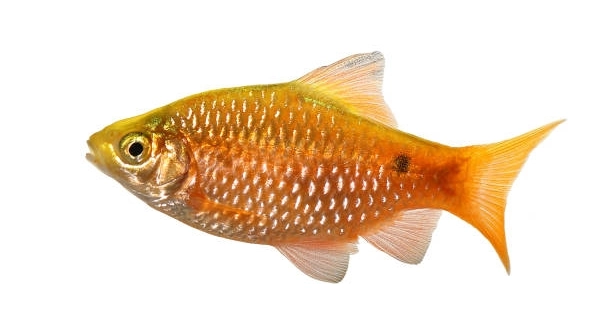
Rosy barbs are a popular choice for beginner fishkeepers because of their vibrant colors and active behavior. However, many new hobbyists make common mistakes that affect the health and happiness of these fish. Avoiding these errors can improve your aquarium experience.
Many beginner mistakes with rosy barbs involve improper tank setup, incorrect feeding habits, and insufficient water maintenance. Addressing these issues promptly helps ensure the fish thrive in a healthy environment and reduces stress-related problems.
Understanding these mistakes and how to fix them will enhance the care you provide to your rosy barbs. This knowledge will help maintain a balanced and beautiful aquarium.
Common Tank Setup Errors
Setting up a tank for rosy barbs requires attention to several key details. Many beginners use tanks that are too small or overcrowd them, which stresses the fish. Rosy barbs need at least 20 gallons with proper filtration and aeration. Water temperature should be between 64°F and 72°F, as these fish prefer cooler water. Tank decorations should provide hiding spots but also leave enough open swimming space. Avoid sharp objects that can injure their fins. Regular water changes and monitoring water parameters such as pH, ammonia, and nitrate levels are essential to maintain a healthy environment. Neglecting these factors often leads to poor fish health and increased susceptibility to disease. Proper tank setup lays the foundation for successful care and keeps rosy barbs active and colorful.
Incorrect tank conditions cause stress and weaken fish immunity, leading to illness. Maintaining proper water quality and space is essential.
Correcting tank size and conditions is straightforward but requires consistent effort. Upgrading to a larger tank or reducing stocking density improves water quality and reduces stress. Using a reliable filter and performing weekly water changes maintain stable conditions. Testing water regularly ensures the environment stays within safe limits. Adding plants and decorations carefully can create a natural habitat, encouraging normal behavior. Taking these steps supports the long-term health and vibrancy of your rosy barbs, making your aquarium more enjoyable to watch.
Feeding Mistakes to Avoid
Overfeeding is one of the most common feeding mistakes with rosy barbs. These fish should be fed small amounts once or twice a day. Excess food can pollute the water and cause digestive problems. A balanced diet with high-quality flakes, pellets, and occasional live or frozen foods is best. Avoid feeding only one type of food, as this can lead to nutritional deficiencies. Removing uneaten food after feeding prevents waste buildup. Consistent feeding schedules and portion control promote better health and growth.
Many feeding problems stem from giving too much food or poor diet variety.
Providing varied and moderate portions supports rosy barbs’ health and reduces water contamination. Offering live foods like brine shrimp or bloodworms can improve nutrition and mimic natural feeding habits. Avoid fatty or processed foods, which may cause swim bladder issues. Monitoring feeding behavior helps identify problems early. Adjusting diet based on fish activity and growth promotes a balanced nutritional intake. Good feeding practices contribute significantly to the overall wellbeing of rosy barbs in your tank.
Neglecting Water Changes
Skipping regular water changes harms rosy barbs by allowing toxins to build up in the tank. Dirty water leads to stress and disease.
Maintaining water quality is essential for healthy fish. Weekly partial water changes of 20-30% remove harmful waste and replenish minerals. Using a water conditioner helps remove chlorine and chloramine from tap water. Without regular cleaning, ammonia and nitrate levels rise, which can cause fin rot, lethargy, and other health problems. Monitoring water parameters with test kits keeps the environment stable. Clean water supports the fish’s immune system and encourages natural behavior.
Consistent water changes also reduce algae growth and prevent unpleasant odors. Setting a schedule helps make this task a habit. Use a siphon to clean the substrate while changing water to remove debris. This keeps the tank environment balanced and supports the well-being of all aquatic life, not just the rosy barbs.
Ignoring Signs of Illness
Rosy barbs often hide symptoms of illness, so regular observation is important. Changes in behavior or appearance should not be overlooked.
Early detection of disease helps prevent serious health issues. Watch for symptoms like clamped fins, spots, discoloration, or unusual swimming patterns. Stress from poor water conditions or improper diet weakens their immune system, making infections more likely. Quarantining new fish before adding them to the tank reduces the risk of introducing disease. If signs of illness appear, testing water quality and improving conditions is the first step. Sometimes, treatment with medications is necessary. Prompt action increases the chances of recovery and reduces the spread of illness in the tank.
Maintaining a clean environment and balanced diet are key to preventing many common diseases. Learning to recognize early signs can save your fish from suffering and costly treatments. Regular checks during feeding or maintenance help catch problems quickly.
Overcrowding the Tank
Overcrowding stresses rosy barbs and reduces water quality quickly. It limits swimming space and increases competition for food.
A general rule is one inch of fish per gallon of water. Exceeding this causes poor oxygen levels and waste buildup, which harms fish health.
Using Incompatible Tank Mates
Rosy barbs are semi-aggressive and may nip fins of slower or long-finned fish. Choosing peaceful, fast swimmers as tank mates helps avoid conflicts.
Neglecting Proper Filtration
A good filter maintains water clarity and quality by removing waste and toxins. Poor filtration leads to dirty, unsafe water, increasing disease risk.
Ignoring Temperature Needs
Rosy barbs prefer cooler water around 64°F to 72°F. High temperatures can cause stress and shorten their lifespan.
FAQ
How often should I feed my rosy barbs?
Feeding rosy barbs once or twice a day with small portions is enough. Overfeeding leads to water pollution and health issues. Use high-quality flakes or pellets and add occasional live or frozen foods to provide balanced nutrition. Remove uneaten food after 5 minutes to keep the tank clean.
What size tank do rosy barbs need?
Rosy barbs need at least a 20-gallon tank. They are active swimmers and require enough space to move freely. Overcrowding causes stress and poor water quality. A larger tank is better if you plan to keep a school of six or more rosy barbs.
Can rosy barbs live with other fish?
Yes, but choose tank mates carefully. Rosy barbs can be semi-aggressive and may nip fins of slow or long-finned fish. Ideal companions are other fast, peaceful fish like danios or barbs. Avoid keeping them with very small or delicate fish.
How often should I change the water?
Perform a partial water change of 20-30% weekly. This helps remove toxins and waste that build up over time. Using a water conditioner on new water prevents harm from chlorine or chloramine. Regular water changes keep fish healthy and the tank environment stable.
What water temperature is best for rosy barbs?
Rosy barbs prefer cooler water between 64°F and 72°F. Temperatures above this range can stress the fish and reduce their lifespan. Use a reliable aquarium thermometer to monitor temperature and adjust with a heater or cooler if necessary.
What signs indicate my rosy barb is sick?
Look for clamped fins, faded colors, spots, unusual swimming, or loss of appetite. These signs suggest stress or disease. Check water quality immediately and improve conditions. Quarantine sick fish if possible and consider appropriate medication.
How can I prevent algae growth?
Algae grows from excess nutrients and light. Avoid overfeeding and maintain regular water changes. Limit aquarium lighting to 8-10 hours daily. Adding live plants can compete with algae for nutrients, helping keep it under control naturally.
Is it necessary to quarantine new fish?
Yes, quarantining new fish for at least two weeks helps prevent introducing diseases to your main tank. Keep new fish in a separate tank and observe for signs of illness before adding them. This simple step protects your existing rosy barbs.
What should I do if my rosy barb has fin rot?
Fin rot often results from poor water conditions or injury. Improve water quality by doing more frequent water changes. Treat with antibacterial medication if needed. Remove sharp decorations that may cause damage. Healthy water and diet support recovery.
How many rosy barbs should be kept together?
Rosy barbs are schooling fish and feel safer in groups of at least six. Keeping fewer can lead to stress and aggression. A group also encourages natural behavior and lively swimming, making your aquarium more enjoyable to watch.
Final Thoughts
Caring for rosy barbs requires attention to basic needs like tank size, water quality, and feeding habits. Many common problems come from simple mistakes such as overcrowding, overfeeding, or neglecting water changes. By addressing these issues, you can create a healthy environment where your fish can thrive. Proper tank setup, balanced diet, and regular maintenance are the foundation for successful fishkeeping. Taking time to learn and apply these practices improves both the health of your rosy barbs and your enjoyment of the aquarium.
It is important to observe your fish regularly for any signs of illness or stress. Rosy barbs may hide symptoms, so careful watching helps catch problems early. When you notice changes in behavior or appearance, checking water quality and tank conditions is the first step. Prompt action to improve their environment or provide treatment can prevent minor issues from becoming serious. Keeping new fish separate before adding them to your tank also reduces risks. These small habits build a strong defense against disease and help maintain a stable, peaceful community.
Finally, remember that keeping rosy barbs healthy takes consistency and care. Regular water changes, proper feeding, and good tank management are not one-time tasks but ongoing efforts. Every step you take towards better care supports the long-term well-being of your fish. This creates a more vibrant and lively aquarium that you can enjoy every day. Paying attention to details and making gradual improvements will lead to success in keeping rosy barbs happy and healthy.

Hello,
If you enjoy the content that we create, please consider saying a "Thank You!" by leaving a tip.
Every little bit helps us continue crafting quality advice that supports the health, happiness, and well-being of pets around the world, for pets of all shapes, sizes, and species.
We really appreciate the kindness and support that you show us!