
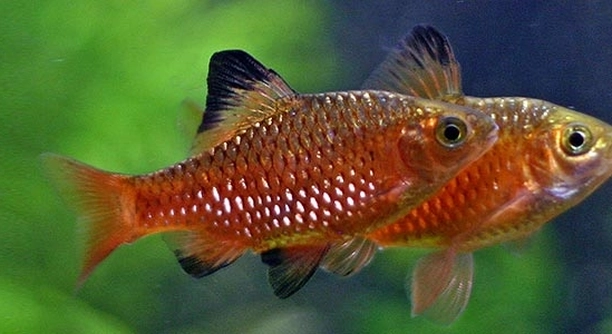
Rosy barbs are popular freshwater fish known for their vibrant colors and active nature. Keeping their water clean is essential to maintain their health and well-being. Proper water changes help create a stable environment for these lively fish.
Rosy barb water should typically be changed weekly, replacing 20 to 30 percent of the tank water. This routine helps remove harmful waste and toxins, supporting water quality and preventing stress or illness in the fish. Consistency in water changes is key.
Maintaining a regular water change schedule will promote a healthy habitat and vibrant fish. This article explains how to care for your rosy barbs effectively.
Why Regular Water Changes Matter
Keeping rosy barb water clean is crucial for their health. Over time, fish waste, uneaten food, and plant debris build up in the tank. These materials release harmful substances like ammonia and nitrates, which can stress the fish and cause illness. Regular water changes dilute these toxins, improving water quality. Fresh water also restores important minerals and oxygen levels. Without consistent changes, water conditions can quickly become unsafe. This can lead to poor fish behavior, dull colors, and even disease. Monitoring water parameters alongside changes ensures a stable environment. Proper filtration helps but cannot replace the need for partial water changes. Even a healthy, well-filtered tank requires regular maintenance to keep fish thriving. By setting a schedule and sticking to it, you reduce risks and promote a balanced aquarium. Clean water supports the rosy barbs’ immune system, helping them resist infections. The benefits of water changes go beyond appearance—they contribute to the overall longevity of your fish.
Water changes help prevent toxic buildup and keep the environment healthy. They support fish well-being and maintain tank balance.
A good water change routine means knowing how much and how often to change water. Partial changes avoid shocking fish by preserving some stable conditions. Testing water regularly can guide adjustments in frequency. Avoid changing all water at once, which can remove beneficial bacteria needed for a healthy tank. Always treat tap water to remove chlorine or chloramines before adding it to the tank. This careful approach protects delicate fish and promotes a safe, stable home for rosy barbs.
How to Perform Water Changes Safely
Water changes should be done carefully to avoid stressing your fish. Start by turning off filters and heaters. Use a siphon to remove 20 to 30 percent of the tank water. This removes debris and lowers harmful substances without upsetting the tank’s balance. After draining, slowly add treated water at the same temperature as the tank. Adding water too quickly or with a different temperature can shock the fish. Avoid disturbing the substrate too much during cleaning. This prevents waste from stirring up and clouding the water. Turn equipment back on once the water change is complete. It’s helpful to keep a water change schedule and record your actions. This consistency improves water quality and keeps rosy barbs comfortable. Small, regular changes are better than large, infrequent ones. A stable environment supports the fish’s health and vibrant colors over time. Observing your fish during changes helps spot any signs of stress early.
Water changes done properly protect fish health and maintain a balanced tank. Consistency is essential for long-term success.
Proper water change technique involves gradual water replacement and temperature matching. Using a siphon allows waste removal without disturbing fish or plants. Treated water free of chemicals keeps fish safe. Avoid overcleaning to maintain beneficial bacteria. Careful timing and regularity create a stable environment. Maintaining these habits ensures rosy barbs live healthy, active lives.
Signs Your Rosy Barb Needs a Water Change
Cloudy water or a foul smell usually means the tank needs cleaning. Fish may also show signs of stress, like gasping at the surface or hiding more than usual.
Poor water quality causes fish to become lethargic and lose their bright colors. Rosy barbs may also develop white spots or sores if conditions worsen. Excessive algae growth can indicate an imbalance. Testing the water regularly for ammonia, nitrites, and nitrates helps catch problems early. If levels are high, an immediate water change is necessary. These symptoms signal that the tank environment is unsafe, and action must be taken to protect your fish’s health.
Ignoring these signs can lead to illness or death in your fish. Timely water changes restore balance and prevent long-term damage. Keeping an eye on water conditions helps maintain a happy, healthy tank.
Best Tools for Changing Rosy Barb Water
A siphon gravel vacuum is the most useful tool for water changes. It allows easy removal of dirty water and cleaning of the substrate at the same time.
Using a bucket designated only for aquarium use prevents contamination from soaps or chemicals. A water conditioner is necessary to treat tap water before adding it to the tank. Having a water testing kit on hand helps monitor key parameters and decide when water changes are needed. A thermometer ensures new water matches the tank temperature, avoiding shock to the fish. Together, these tools make water changes safe, efficient, and effective, helping maintain a stable, healthy environment for your rosy barbs. Proper equipment reduces stress for both you and the fish during maintenance.
How Often to Test Water Quality
Testing water regularly helps track tank health and determine when water changes are needed. It ensures harmful substances stay at safe levels.
Most hobbyists test water weekly, matching the schedule of water changes. Frequent testing prevents surprises and keeps fish safe.
Ideal Water Parameters for Rosy Barbs
Rosy barbs thrive in water with a pH between 6.5 and 7.5. Temperature should be maintained between 64°F and 72°F. Ammonia and nitrite levels must remain at 0 ppm, while nitrates should be kept below 20 ppm. Stable parameters reduce stress and promote healthy growth. Regular water changes and proper filtration help maintain these conditions. Keeping water within these ranges supports your fish’s immune system and vibrant colors. Monitoring and adjusting parameters prevents illness and creates a comfortable environment for your rosy barbs to flourish.
Water Change Frequency Summary
Changing 20 to 30 percent of the water weekly is recommended for most rosy barb tanks.
FAQ
How often should I change water if I have a heavily stocked rosy barb tank?
In a heavily stocked tank, waste builds up faster, so more frequent water changes are needed. Changing 30 to 40 percent of the water every week helps keep toxin levels low. You may also consider splitting water changes into smaller amounts twice a week to avoid stressing your fish. Monitoring water parameters closely is essential to adjust the schedule as needed. A good filtration system supports this but doesn’t replace the need for frequent changes. Regular maintenance will keep the environment healthy and reduce the risk of illness in a crowded tank.
Can I change all the water at once to speed up the process?
Changing all the water at once is not recommended. It removes beneficial bacteria essential for breaking down waste. Sudden changes in water chemistry and temperature can shock your rosy barbs, leading to stress or even death. Partial water changes, replacing 20 to 30 percent weekly, are safer and more effective. This method maintains stability while improving water quality. Large water changes should only be done in extreme cases and with proper preparation, such as slowly acclimating the fish to new water.
Is tap water safe for water changes?
Tap water can be used but only after treatment. Most tap water contains chlorine or chloramines that are harmful to fish. Using a water conditioner neutralizes these chemicals before adding water to the tank. It’s also important to check for heavy metals or other contaminants. If your tap water has these issues, consider using filtered or bottled water. Matching the temperature of new water to the tank water is crucial to avoid shocking the fish during changes.
What happens if I skip water changes for a few weeks?
Skipping water changes causes toxic waste to build up quickly. Ammonia and nitrites rise, which are deadly to fish even in small amounts. Fish may become stressed, show signs of illness, or die. Algae growth can increase, making the tank look unhealthy. Poor water quality also affects fish appetite and behavior. Regular water changes prevent these problems and keep the environment balanced. If you miss a change, it’s best to do a partial water change as soon as possible to correct conditions.
How do I know if my water change routine is working?
Healthy, active fish with bright colors are good signs your routine is effective. Clear water and stable water test results show balanced conditions. Low ammonia, nitrite, and nitrate levels indicate proper maintenance. If your fish show no signs of stress and algae remains controlled, your schedule is likely appropriate. Testing water regularly and adjusting changes as needed keeps the tank environment safe and comfortable. Keeping a record of water tests and changes can help identify patterns and improve care.
Can I change water while the filter is running?
It’s best to turn off the filter during water changes to prevent damage and avoid stirring up debris. Removing water slowly while the filter runs may cause suction problems or introduce air bubbles. After refilling the tank with treated water at the right temperature, turn the filter back on. This practice helps maintain filter efficiency and reduces stress for your fish during maintenance.
Should I clean the filter during water changes?
Filter cleaning should be done carefully and less frequently than water changes. Over-cleaning can remove beneficial bacteria needed for biological filtration. Rinse filter media in tank water during a water change to preserve these bacteria. Avoid using tap water for cleaning filters because chlorine can kill helpful bacteria. Replace filter media according to manufacturer recommendations but not all at once to maintain filtration balance.
How does temperature affect water change frequency?
Warmer water increases fish metabolism, which leads to faster waste production. This means water changes may need to be more frequent in warmer tanks. Cooler water slows metabolism and waste buildup, allowing for less frequent changes. Monitoring water temperature helps determine the proper schedule. Regardless of temperature, consistent water quality checks remain essential to keep rosy barbs healthy.
Are water additives necessary after water changes?
Water conditioners are necessary to remove harmful chemicals from tap water. Other additives like beneficial bacteria supplements can help stabilize the tank but are not always required if your tank is well-established. Use additives carefully and follow instructions. Overuse or unnecessary additives can disrupt the tank’s natural balance. Focus on regular water changes and proper filtration as the primary means of maintaining water quality.
Can plants affect how often I should change water?
Live plants absorb some nitrates and improve water quality, which can reduce how often water changes are needed. However, plants also produce waste and decay, contributing to the bioload. A heavily planted tank may require fewer water changes but still needs regular maintenance. Monitor water parameters closely to decide the best schedule. Healthy plants contribute positively but do not replace the need for consistent water changes.
Final Thoughts
Changing the water in your rosy barb tank is a key part of keeping your fish healthy and happy. Consistent water changes remove harmful waste and help maintain stable water conditions. This prevents stress and illness, allowing your rosy barbs to live longer and stay vibrant. Even if your tank has a good filter, water changes cannot be skipped because filters cannot remove all toxins. By replacing a portion of the water regularly, you keep the tank balanced and safe for your fish.
It is important to follow a routine when changing water. Weekly partial changes of 20 to 30 percent are generally recommended. Adjustments may be needed based on tank size, stocking levels, and water test results. Avoid changing all the water at once, as this can shock the fish and remove beneficial bacteria. Use treated water that matches the tank’s temperature to protect the fish during changes. Tools like a siphon and water conditioner make the process easier and safer. Testing water regularly helps you know when changes are necessary and ensures good water quality.
Maintaining a healthy environment for your rosy barbs requires attention and care, but it does not have to be difficult. Establishing a water change schedule, using proper equipment, and monitoring water quality will improve your fish’s well-being. Clean water supports their immune systems, encourages vibrant colors, and promotes natural behavior. With steady care, your rosy barbs will thrive in a balanced and stable home. This simple step is one of the most effective ways to provide the best care for your aquatic pets.

Hello,
If you enjoy the content that we create, please consider saying a "Thank You!" by leaving a tip.
Every little bit helps us continue crafting quality advice that supports the health, happiness, and well-being of pets around the world, for pets of all shapes, sizes, and species.
We really appreciate the kindness and support that you show us!