
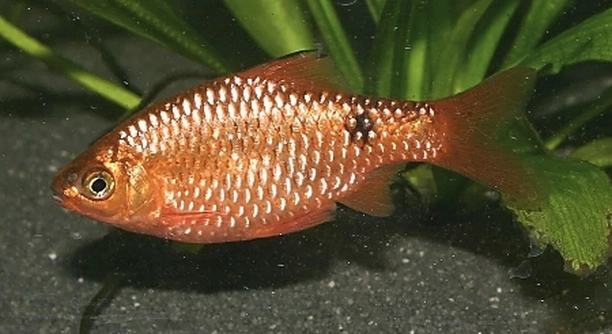
Rosy barbs are popular freshwater fish known for their lively colors and active behavior. Many fishkeepers enjoy keeping them because they add brightness and movement to a home aquarium. Creating a suitable environment for rosy barbs helps ensure their health and happiness.
A proper tank setup for rosy barbs includes adequate swimming space, balanced filtration, stable water parameters, and appropriate plant and decoration choices. These factors collectively support their natural behavior and contribute to a thriving aquarium community.
Knowing how to set up a tank that meets these needs will help your rosy barbs live comfortably and display their best colors. This guide offers practical ideas to create an ideal habitat for them.
Spacious Community Tank
Rosy barbs are active swimmers that do best in a tank with plenty of room. A minimum of 30 gallons is recommended for a small group of six. This space allows them to swim freely and reduces stress, which can lead to better health. Grouping rosy barbs in odd numbers, such as five or seven, helps maintain social balance. Keep the tank length longer rather than taller to encourage horizontal swimming. Avoid overcrowding, as it can lead to aggression and poor water quality. Provide hiding spots with plants and decorations to offer security. Open swimming areas combined with shaded spots create a comfortable environment for rosy barbs to explore and rest.
A spacious tank reduces stress and supports natural behaviors, improving the overall well-being of rosy barbs.
Setting up a roomy tank with varied spaces ensures your rosy barbs have enough room to swim and places to hide. Including both open water and planted areas balances activity and comfort. This arrangement supports their energetic nature and reduces aggression among the group, leading to a healthier tank environment.
Balanced Filtration and Water Quality
Maintaining clean water is essential for rosy barbs’ health. Using a reliable filtration system that handles the tank size is key.
A quality filter removes waste and helps maintain stable water parameters, preventing the buildup of harmful substances. Rosy barbs prefer a gentle current, so choose a filter that provides adequate circulation without strong flow. Regular water changes of about 20-25% weekly help keep nitrate levels low. Monitor temperature, aiming for 68-78°F, and keep pH between 6.5 and 7.5 for optimal conditions. Testing water regularly ensures parameters stay within a safe range.
Good filtration combined with consistent maintenance supports a clean and stable tank environment. This balance keeps rosy barbs healthy and minimizes the risk of disease, allowing them to thrive in your aquarium over time.
Appropriate Plant Selection
Live plants provide hiding spots and improve water quality. Choose hardy species that tolerate rosy barbs’ active behavior.
Plants like Java fern, Anubias, and Amazon sword work well because they are durable and can handle some nibbling. Floating plants add shade and reduce light intensity, helping to mimic natural conditions. Dense planting near the edges creates shelter while leaving open swimming space in the center. Plants also help absorb nitrates and add oxygen, improving overall tank health. Avoid delicate or slow-growing plants that may get uprooted easily or damaged by active swimming.
Healthy plants contribute to a balanced aquarium environment. They offer security and encourage natural behavior, helping your rosy barbs feel safe while enhancing the tank’s appearance.
Compatible Tank Mates
Choosing tank mates that match rosy barbs’ temperament and size is important to prevent aggression.
Good companions include other peaceful, active fish such as danios, barbs of similar size, and some tetras. Avoid slow-moving or long-finned fish that may be nipped. Rosy barbs are schooling fish, so keeping them in groups reduces their aggression toward others. Bottom dwellers like Corydoras catfish can coexist well, as they occupy different tank levels. Always research each species’ needs before mixing to ensure compatibility in terms of water parameters and behavior.
Proper tank mates create a peaceful community and reduce stress. This balance supports the health and happiness of all fish, resulting in a more enjoyable aquarium experience.
Substrate Choices
Fine gravel or sand works best for rosy barbs. Avoid sharp or coarse substrates that could injure their delicate fins.
A natural-colored substrate enhances the fish’s colors and complements plants. It also makes waste easier to spot for cleaning, helping maintain good water quality.
Proper Lighting
Moderate lighting supports plant growth and maintains a natural day-night cycle for rosy barbs. Avoid overly bright lights that can stress the fish or promote excessive algae growth. Use a timer to ensure consistent lighting periods, around 8 to 10 hours daily, for best results.
Tank Decorations
Smooth rocks and driftwood add hiding spots and visual interest without risking injury. Avoid sharp decorations to protect delicate fins. These elements also help create a natural environment that encourages the fish to explore and feel secure.
FAQ
How many rosy barbs should be kept together?
Rosy barbs are social fish that do best in groups. It is recommended to keep at least five to six together. Smaller groups can lead to stress and increased aggression, while larger groups promote natural schooling behavior. A group of six or more allows them to interact and reduces bullying within the tank.
What water temperature is ideal for rosy barbs?
The ideal temperature range for rosy barbs is between 68°F and 78°F (20°C to 26°C). They prefer stable temperatures within this range. Avoid sudden fluctuations, which can cause stress or illness. Using a reliable heater and thermometer will help maintain consistent water temperature.
What should I feed my rosy barbs?
Rosy barbs thrive on a varied diet that includes high-quality flakes, pellets, and occasional live or frozen foods like brine shrimp or bloodworms. Providing a mix ensures balanced nutrition. Feeding small amounts twice daily is best, avoiding overfeeding which can degrade water quality.
Are rosy barbs aggressive towards other fish?
Rosy barbs can display mild aggression, especially if kept in small groups or with slower tank mates. They may nip fins or chase other fish. Keeping them in groups of six or more helps distribute aggression within their own species. Choosing similarly sized, active fish reduces conflict.
How often should I clean the tank?
Regular maintenance is essential. Performing a 20-25% water change weekly helps remove waste and keeps nitrate levels low. Cleaning the substrate and filter media as needed supports a healthy environment. Avoid complete tank cleanings, which disrupt beneficial bacteria.
Can rosy barbs live with plants?
Yes, rosy barbs do well with hardy live plants. They may nibble on some species, but plants like Java fern and Anubias are durable. Plants provide shelter and improve water quality, contributing to a balanced tank. Avoid delicate or slow-growing plants that can be damaged easily.
What tank size is suitable for rosy barbs?
A minimum of 30 gallons is recommended for a small group of rosy barbs. This size provides enough swimming space and helps maintain stable water parameters. Larger tanks offer better environmental stability and room for community fish.
How can I reduce aggression in my rosy barb tank?
Maintaining a proper group size of at least five or six rosy barbs reduces aggression. Providing hiding spots and varied decor helps fish escape conflicts. Ensuring the tank is spacious and includes compatible tank mates also minimizes stress and aggressive behavior.
Do rosy barbs need a specific pH level?
Rosy barbs prefer a slightly acidic to neutral pH, ideally between 6.5 and 7.5. Consistency is more important than exact numbers, so avoid sudden changes. Testing water regularly helps keep pH stable for the fish’s health.
Can rosy barbs tolerate cooler water?
Rosy barbs can tolerate cooler temperatures than many tropical fish, making them suitable for unheated tanks in some climates. However, temperatures below 64°F (18°C) are not recommended, as prolonged cold can weaken their immune system and cause illness.
How do I know if my rosy barbs are healthy?
Healthy rosy barbs are active, have bright colors, and swim confidently. They eat regularly and interact with tank mates. Signs of illness include faded colors, lethargy, clamped fins, or unusual swimming patterns. Early detection and water quality management help prevent disease.
What are common diseases for rosy barbs?
Rosy barbs can be prone to common freshwater diseases such as ich, fin rot, and fungal infections. Poor water quality and stress increase the risk. Maintaining clean water, a balanced diet, and avoiding overcrowding reduce disease chances.
Is it necessary to use a heater for rosy barbs?
While rosy barbs tolerate a range of temperatures, using a heater helps maintain a stable environment, especially in cooler rooms or during colder seasons. Stable temperatures reduce stress and support immune health.
Can rosy barbs breed in a home aquarium?
Yes, rosy barbs can breed in captivity. They scatter eggs over plants or substrate. Breeding requires slightly warmer water and good nutrition. Removing adults after spawning prevents egg predation, improving fry survival.
How often should I test my tank water?
Testing water weekly is ideal to monitor parameters like ammonia, nitrite, nitrate, pH, and temperature. Frequent testing helps catch problems early and keeps conditions safe for rosy barbs. Keeping a log can help track changes over time.
This FAQ covers essential information for caring for rosy barbs, helping ensure a healthy and happy tank environment.
Final Thoughts
Setting up a tank for rosy barbs requires attention to several important details. Providing enough space is one of the most critical factors. Rosy barbs are active fish that need room to swim comfortably. A tank size of at least 30 gallons is recommended for a small group. This size allows the fish to move freely and reduces stress, which helps keep them healthy. Along with space, it is important to keep water conditions stable. Using a good filtration system and performing regular water changes helps maintain clean water and balanced parameters. These efforts create a healthy environment where rosy barbs can thrive.
Choosing the right plants and decorations can improve the overall tank environment. Hardy live plants such as Java fern and Anubias work well because they can withstand the fish’s active nature. Plants offer hiding places and contribute to better water quality by absorbing excess nutrients. Including smooth rocks or driftwood adds natural features without risking injury to the fish. It is important to avoid sharp or rough decorations since rosy barbs have delicate fins that can be easily damaged. A balanced tank setup with open swimming areas and safe hiding spots supports natural behavior and helps reduce aggression.
Finally, paying attention to tank mates and diet completes the care routine for rosy barbs. They do best with other peaceful and similarly sized fish that can handle their active temperament. Avoid slow or long-finned species that may become targets for nipping. Feeding rosy barbs a varied diet including flakes, pellets, and occasional live or frozen foods ensures they receive proper nutrition. Overfeeding should be avoided to maintain water quality. By keeping these factors in mind, it is possible to create a vibrant and stable aquarium where rosy barbs remain healthy, active, and colorful for a long time.

Hello,
If you enjoy the content that we create, please consider saying a "Thank You!" by leaving a tip.
Every little bit helps us continue crafting quality advice that supports the health, happiness, and well-being of pets around the world, for pets of all shapes, sizes, and species.
We really appreciate the kindness and support that you show us!