
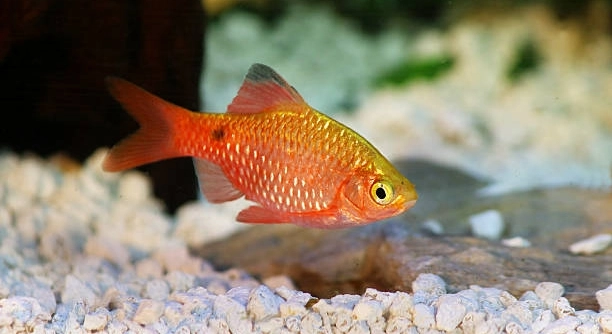
Rosy barbs are lively freshwater fish that often catch attention with their quick movements. Observing them dart around in an aquarium can be both entertaining and puzzling. Their sudden bursts of speed and sharp turns are common behavior in many home tanks.
The primary cause of rosy barbs darting around is their natural instinct to explore and respond to environmental stimuli. Rapid swimming can indicate excitement, stress, or a reaction to changes such as water quality, tank mates, or feeding times. This behavior helps them stay alert and safe.
Understanding why rosy barbs move this way will help you create a more comfortable environment for them. It also sheds light on their natural habits and needs in captivity.
Understanding Rosy Barbs’ Quick Movements
Rosy barbs are naturally active fish. Their darting behavior is part of how they interact with their environment. These fish swim quickly to explore their surroundings or avoid perceived threats. In a tank, sudden changes like new decorations, unfamiliar fish, or shifts in water temperature can trigger these bursts of speed. Additionally, rosy barbs often swim in groups, which encourages faster movement as they react to each other’s actions. When feeding time arrives, their excitement causes quick swimming as they compete for food. Proper tank setup with enough space and hiding spots can reduce stress and help control their rapid movements. Understanding these triggers helps maintain a peaceful aquarium where rosy barbs feel secure and swim naturally.
Tank size and water quality directly influence their behavior. Small tanks or poor conditions can make them dart more frequently, signaling discomfort or stress.
Controlling darting involves keeping stable water parameters and avoiding sudden tank changes. Introducing tank mates slowly and ensuring enough space reduces stress-related swimming. Providing plants and hiding places helps rosy barbs feel safe, which calms their movements. Regular feeding schedules prevent frantic food competition. Observing their behavior closely helps detect early signs of stress, allowing for timely adjustments that promote healthy, natural activity. Consistency in care supports a calmer, happier fish environment.
Tank Setup and Environment Impact
Tank size affects how freely rosy barbs swim. Crowded or small tanks lead to more darting as they try to find space.
Maintaining proper tank conditions reduces stress and excessive darting. Water temperature should be stable, ideally between 64°F and 72°F. Clean water with regular changes prevents irritants that cause agitation. Providing natural plants and decorations creates hiding spots and breaks up open swimming areas, which helps reduce nervous energy. Avoid overcrowding by limiting the number of fish in the tank, giving rosy barbs enough room to swim comfortably. Introducing new tank mates gradually also prevents sudden stress responses. A well-maintained tank promotes calmer, healthier fish and minimizes rapid, erratic movements.
Feeding Behavior and Its Effects
Rosy barbs become very active during feeding times. They dart quickly to compete for food and secure their share.
Feeding triggers bursts of energy in rosy barbs. When food is added, they swim rapidly and aggressively to reach it first. This behavior is natural and shows their survival instincts. Overfeeding or irregular feeding schedules can increase this activity and cause stress. Providing small, frequent meals can help balance their energy levels. Using sinking pellets or spreading food across the tank encourages slower, more distributed feeding, which reduces frantic darting. Monitoring their feeding habits helps maintain calm and healthy fish.
Different types of food also affect their movement. Live or frozen foods tend to excite rosy barbs more than flakes, leading to faster swimming and sharper turns. Adjusting the type and amount of food can manage their energy levels. When feeding is consistent and controlled, rosy barbs show more balanced activity, making the aquarium environment more peaceful.
Social Dynamics and Interaction
Rosy barbs are schooling fish, and their social behavior influences their swimming patterns. They move more actively when in groups.
Within a school, rosy barbs synchronize their movements, which leads to sudden bursts of darting as they follow one another. These quick movements help them stay coordinated and safe from perceived threats. When kept alone or in small numbers, they may become stressed and display irregular, frantic swimming. Ensuring a group of at least five to six rosy barbs promotes natural behavior and reduces anxiety. Social interaction is key to their well-being and affects their overall activity level in the tank.
Stress Factors in Rosy Barbs
Stress is a common cause of rapid darting in rosy barbs. Loud noises, sudden movements, or poor water conditions can increase their stress levels.
Stress makes rosy barbs swim erratically and dart around more than usual. Identifying and minimizing stressors helps keep them calm and healthy.
Importance of Hiding Spaces
Providing hiding spots in the tank helps rosy barbs feel secure. Plants, rocks, and decorations offer places to retreat from perceived threats or bright light.
Hiding spaces reduce stress and excessive movement. When rosy barbs have safe places to rest, they show more natural and relaxed behavior, resulting in less darting.
Temperature Effects on Activity
Water temperature influences rosy barbs’ energy. Warmer water can increase their activity, while cooler water slows them down.
Maintaining stable, appropriate temperature levels helps manage their movement and keeps them comfortable in the tank.
FAQ
Why do rosy barbs dart around suddenly?
Rosy barbs dart suddenly mostly because of natural instincts. They respond quickly to changes in their environment, such as new tank decorations, other fish, or noises outside the aquarium. This fast movement helps them stay alert and avoid threats, even if none are actually present.
Is darting a sign of stress in rosy barbs?
Yes, excessive darting can indicate stress. Stress factors include poor water quality, overcrowding, sudden temperature changes, or aggressive tank mates. When stressed, rosy barbs swim erratically and may hide more. Monitoring tank conditions and behavior helps reduce stress.
How can I reduce darting caused by stress?
Improving water quality with regular changes and maintaining stable temperature helps. Providing plenty of hiding spots like plants and rocks also reduces stress. Avoid loud noises and sudden movements near the tank. Keeping a suitable group size prevents aggression and helps calm the fish.
Does feeding affect how much rosy barbs dart?
Feeding definitely influences their activity. When food is added, rosy barbs swim quickly to compete for it. Overfeeding or irregular feeding schedules increase this darting. Offering smaller, more frequent meals and spreading food evenly lowers frantic behavior.
Can tank size cause rosy barbs to dart excessively?
A small or crowded tank often leads to more darting. Rosy barbs need enough space to swim comfortably. Crowding increases stress and makes them move quickly to avoid others. A tank of at least 20 gallons is recommended for a small school of rosy barbs.
Why do rosy barbs swim faster in groups?
Rosy barbs are schooling fish. They move faster and more closely in groups to stay coordinated and safe. This synchronized darting is normal and helps protect them from threats. Keeping them in groups of five or more encourages healthy social behavior.
How does water temperature affect rosy barb activity?
Higher temperatures raise their metabolism and energy, causing faster swimming and more darting. Cooler water slows them down. Maintaining a stable temperature between 64°F and 72°F keeps their activity balanced and prevents stress.
Are certain tank mates responsible for increased darting?
Aggressive or very active tank mates can stress rosy barbs, causing them to dart more. Peaceful, similar-sized fish are better companions. Introducing new fish slowly and observing interactions helps maintain calm.
Can sudden changes in lighting cause darting?
Yes, sudden bright lights or shadows can startle rosy barbs. Gradual lighting changes and providing shaded areas with plants or decorations help reduce this reaction. Consistent light cycles also support their natural rhythm.
Is darting behavior harmful to rosy barbs?
Occasional darting is normal and not harmful. However, constant rapid movements may tire them or indicate stress. Addressing environmental causes ensures they stay healthy and active without excessive stress.
How often should I check water parameters to prevent darting?
Checking water quality weekly is ideal. Parameters like ammonia, nitrite, nitrate, pH, and temperature must stay within safe ranges. Consistent monitoring and maintenance prevent poor conditions that lead to stress and darting.
What signs besides darting show that rosy barbs are stressed?
Other signs include hiding, loss of appetite, faded colors, and clamped fins. Observing these symptoms along with darting helps identify stress early and take action.
Can changing the tank layout affect rosy barbs’ darting?
Yes, sudden rearrangements can confuse and stress rosy barbs, causing more darting. Making gradual changes and allowing time for adjustment minimizes this effect.
Is darting more common in younger rosy barbs?
Younger fish tend to be more active and may dart more as they explore and grow. This behavior usually calms as they mature and settle into their environment.
Do rosy barbs need specific decorations to reduce darting?
While not required, natural decorations like plants and rocks help create hiding spots and break up open swimming areas. This reduces nervous energy and excessive darting.
Can poor diet lead to increased darting?
An unbalanced diet may cause restless behavior. Feeding a variety of quality foods supports their health and helps regulate their energy levels, reducing frantic swimming.
How can I tell if darting is normal or a problem?
Normal darting happens in short bursts during feeding or exploration. Constant, frantic darting accompanied by other stress signs suggests a problem. Regular observation and tank care help keep darting within healthy limits.
Does water flow affect rosy barbs’ swimming speed?
Strong currents can cause them to swim faster or dart to maintain position. Moderate water flow that mimics natural conditions is best for balanced activity.
Are there medications that affect darting behavior?
Certain medications can cause agitation or lethargy in fish. Always follow instructions carefully and monitor behavior during treatment. Consult experts if unusual darting occurs after medication.
What is the best group size to minimize darting caused by social stress?
A group of five to seven rosy barbs encourages healthy social interaction and reduces stress-induced darting. Smaller groups may feel insecure, and overcrowded tanks cause competition and more frantic movement.
Rosy barbs are naturally active fish, and their quick, darting movements are part of how they behave. These bursts of speed help them explore, avoid threats, and interact with their environment. While darting is normal to some degree, excessive or constant rapid movement can point to stress or discomfort. Understanding the reasons behind their behavior is important to creating a healthy and comfortable tank environment where rosy barbs can thrive.
Several factors influence how much rosy barbs dart around. Stress from poor water quality, sudden changes in the tank, overcrowding, or aggressive tank mates can cause more frantic swimming. Feeding times also trigger bursts of energy as the fish compete for food. Their social nature means that being kept in proper groups helps them feel secure and reduces stress-related darting. Tank setup plays a role as well. Providing enough space, stable temperature, hiding spots, and gentle lighting can keep them calmer and more relaxed.
Taking the time to observe and adjust conditions for rosy barbs improves their well-being and reduces excessive darting. Regular water maintenance, a balanced diet, appropriate tank mates, and a stable environment create a better home for these lively fish. Recognizing their natural behavior while addressing potential stressors helps ensure they remain healthy and active without unnecessary agitation. In the end, a calm and well-cared-for aquarium benefits both the fish and those who enjoy watching them.

Hello,
If you enjoy the content that we create, please consider saying a "Thank You!" by leaving a tip.
Every little bit helps us continue crafting quality advice that supports the health, happiness, and well-being of pets around the world, for pets of all shapes, sizes, and species.
We really appreciate the kindness and support that you show us!