
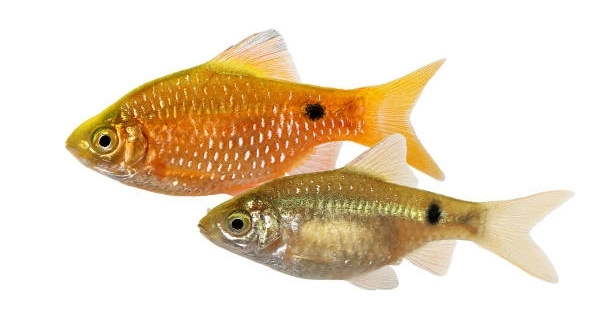
Have you ever noticed your rosy barb acting strangely or showing signs of illness in your aquarium? These changes can be concerning, especially for fish keepers who care deeply about their pet’s well-being and health.
Rosy barbs can get ich, a common parasitic infection also known as white spot disease. This condition is caused by Ichthyophthirius multifiliis and typically appears as white spots on the body and fins, often requiring prompt treatment.
Learning how to spot symptoms early and provide the right care will help your rosy barbs recover quickly and stay healthy long-term.
What Causes Ich in Rosy Barbs
Ich is caused by a parasite that enters the fish’s skin, gills, or fins. It often appears after sudden temperature changes, poor water quality, or stress from overcrowding. These conditions weaken a fish’s immune system, making it more likely to get infected. Infected fish may rub against surfaces, breathe heavily, or isolate themselves. You’ll notice small white dots that resemble grains of salt. These are actually cysts where the parasite grows. The parasite has a life cycle that includes several stages, and it’s most vulnerable during the free-swimming stage, which is important to remember for treatment. Once introduced, ich can spread quickly through the tank, especially in warmer temperatures. Maintaining good water quality and reducing stress are essential to prevent outbreaks. Regular tank maintenance and quarantine practices also lower the risk of introducing parasites with new fish or plants. Acting early can save your fish from further harm.
Ich spreads fast and thrives in unstable tanks. The parasite can multiply quickly and harm even strong fish when the tank is poorly maintained.
Keeping a consistent tank temperature, regular water changes, and avoiding overcrowding are key steps in preventing ich. Avoid introducing new fish without proper quarantine and always monitor their health carefully.
How to Treat Ich in Rosy Barbs
Treating ich involves addressing both the fish and the tank. You’ll need to gradually raise the water temperature to about 80–82°F. This speeds up the parasite’s life cycle, making it easier to kill during treatment. Adding aquarium salt can help reduce stress and improve recovery. Medication is usually necessary, and options include malachite green, formalin, or copper-based treatments. Follow the dosage instructions exactly and remove carbon filters before adding medicine, as they absorb the treatment. Continue treating for several days after the last white spot disappears to ensure the parasite is gone. Cleaning the tank, vacuuming the gravel, and performing water changes during treatment also help reduce parasite numbers. Isolate sick fish if possible to avoid infecting others. Avoid using multiple treatments at once without expert advice, as this can stress your fish. Consistent monitoring and patience are needed throughout this process to fully eliminate ich from the aquarium.
White spots may fade early, but that doesn’t mean ich is gone. Stick to the full course of treatment to prevent it from returning.
How to Prevent Ich in the Future
The best way to prevent ich is by keeping your tank stable and clean. Stick to a regular maintenance routine, avoid sudden changes in temperature or pH, and always quarantine new fish before adding them to the main tank.
Use a reliable heater to keep the temperature consistent, and test water parameters weekly to catch any issues early. Replace 10–25% of the tank water every week to remove waste buildup. Make sure your filter is strong enough for your tank size and clean it as recommended. Avoid overfeeding, as leftover food breaks down and harms water quality. Quarantine new fish for at least two weeks to make sure they aren’t carrying parasites. Stress plays a big part in illness, so reduce crowding and give your fish enough hiding places. Watch your fish regularly for changes in behavior so you can respond early if something seems off.
A balanced diet also helps build resistance to disease. Feed high-quality flakes or pellets, and add frozen or live foods a few times a week. Clean any uneaten food and avoid overfeeding. Make sure your tank isn’t overcrowded, and choose tank mates that won’t harass or stress your rosy barbs. Calm, clean tanks lead to healthier, stronger fish.
Common Mistakes When Treating Ich
One common mistake is stopping treatment too early. The parasite may still be present even after spots disappear, so always complete the full course. Another issue is skipping water changes during treatment, which allows the parasite to remain in the tank longer.
Some people misuse medication by overdosing, combining treatments, or not removing carbon filters. These actions can stress or harm fish instead of helping. Stick to one recommended treatment and follow the instructions carefully. Carbon in filters will absorb most medications, making them useless if left in place. Raising the water temperature too quickly can also shock the fish, so increase it gradually over 24–48 hours. Be patient and monitor fish behavior daily. Avoid transferring fish to another tank during treatment, as this can spread ich or slow down progress. Cleaning the tank properly and sticking with one method until the end makes a big difference in recovery.
Can Ich Kill Rosy Barbs
Yes, ich can be deadly if left untreated. The parasite damages the fish’s skin and gills, making it hard to breathe and fight off infection. Weaker fish and those already stressed are most at risk of dying from prolonged exposure.
Rosy barbs with ich may also develop secondary infections. The longer treatment is delayed, the more damage is done. Early signs should never be ignored. Acting fast improves recovery and helps protect other fish in the tank from becoming infected. Prevention and early care are key to avoiding serious harm.
Is Ich Contagious to Other Fish
Ich spreads quickly to other fish, especially in community tanks. The free-swimming stage of the parasite allows it to move from one fish to another. That’s why isolating sick fish and treating the whole tank is important. Even healthy-looking fish may carry the parasite during early stages of infection.
Can Rosy Barbs Get Ich More Than Once
Yes, rosy barbs can get ich again if conditions in the tank stay poor. Ich parasites can return if the water is dirty, the temperature changes often, or new fish are added without quarantine.
FAQ
Can ich be treated without medication?
Ich can sometimes be managed by raising the water temperature gradually and improving water quality. This speeds up the parasite’s life cycle and helps the fish’s immune system fight it. However, in most cases, medication is needed to fully eliminate the parasite. Relying only on temperature changes or salt without medicine can extend the infection and risk fish health.
How long does ich treatment take?
Treatment usually lasts about 7 to 14 days, depending on the severity of the infection and the medication used. It’s important to continue treatment even after white spots disappear to ensure all parasites are killed, especially during their free-swimming stage. Stopping too early may cause the infection to return.
Is aquarium salt safe for rosy barbs?
Aquarium salt is generally safe for rosy barbs in moderate amounts and can help reduce stress and support healing during ich treatment. Avoid using table salt or excessive amounts, as this can harm fish. Always follow recommended dosages and dissolve salt fully before adding it to the tank.
Can ich survive outside the fish?
Yes, ich parasites can survive in the tank environment without a fish host for several days, especially in the free-swimming stage. This is why tank cleaning and water changes are essential during treatment to remove parasites from gravel, decorations, and filter media.
Should I remove my plants during ich treatment?
Live plants can harbor parasites, but removing them may stress fish by reducing hiding spots. If the plants are hardy and your medication is safe for them, it’s better to keep them. If using copper-based treatments, which are toxic to plants, consider temporarily removing or quarantining plants.
Can ich affect other aquatic animals?
Ich typically infects freshwater fish species and does not affect invertebrates like snails or shrimp. However, it can infect a wide range of fish species, so any fish sharing the tank with rosy barbs are at risk of infection.
What are early signs of ich?
Early signs include small white spots on the body or fins, increased scratching against tank objects, rapid breathing, lethargy, and loss of appetite. Detecting ich early improves treatment success and reduces stress on fish.
Can ich reoccur after treatment?
Ich can reoccur if tank conditions remain poor or if new infected fish are introduced without quarantine. Maintaining stable water parameters and good hygiene are key to preventing reinfection.
Is it safe to eat fish treated for ich?
Fish treated for ich in home aquariums are not intended for human consumption. Medications used may leave residues harmful if eaten. Only fish from approved sources should be considered safe to eat.
How often should I quarantine new fish?
New fish should be quarantined for at least two weeks before introducing them to the main tank. This helps identify and treat any hidden infections like ich, preventing outbreaks in your established aquarium.
Can ich be prevented by a specific diet?
No diet alone can prevent ich. However, feeding a balanced, nutritious diet strengthens fish immune systems, making them more resistant to diseases. High-quality pellets, flakes, and occasional live or frozen foods support overall health.
Can I treat ich in a hospital tank?
Yes, treating infected fish in a separate hospital tank is ideal. It prevents spreading the parasite to other fish and allows targeted treatment without affecting plants or beneficial bacteria in the main tank. Make sure the hospital tank has stable conditions and appropriate medication.
Will ich go away on its own?
Ich rarely goes away without intervention. The parasite’s life cycle allows it to multiply quickly, so untreated infections worsen and can be fatal. Prompt treatment is essential to protect your rosy barbs.
What temperature should I keep my tank during ich treatment?
Raising the temperature to about 80–82°F helps speed up the parasite’s life cycle, making treatment more effective. Increase the temperature gradually over 24–48 hours to avoid stressing the fish.
Can ich be diagnosed without white spots?
Sometimes early ich infections do not show visible spots but fish may exhibit unusual behavior like scratching or rapid breathing. If ich is suspected, it’s best to start treatment early to avoid worsening symptoms.
Rosy barbs are generally hardy fish, but ich remains a common threat that requires careful attention. Understanding how the parasite works and recognizing early signs are key to managing this illness effectively. Keeping your tank stable with good water quality and a consistent temperature reduces stress on your fish, making them less likely to get infected. Prevention is always better than treatment, so following proper quarantine procedures and maintaining clean tank conditions should be a priority for every fish keeper.
If ich does appear, prompt and consistent treatment is important. Raising the water temperature, using appropriate medication, and performing regular water changes can help clear the infection faster. It’s easy to underestimate how serious ich can be, but ignoring symptoms or stopping treatment too soon often leads to worsening health or death. Treating the entire tank, not just individual fish, helps break the parasite’s life cycle. Patience during treatment and careful monitoring will increase the chances of full recovery for your rosy barbs.
Keeping rosy barbs healthy means paying attention to their environment and behavior daily. Small changes can signal illness before it becomes severe. Investing time in routine tank maintenance, feeding a balanced diet, and avoiding overcrowding creates a strong foundation for your fish’s long-term health. Even with the best care, occasional challenges like ich may arise, but knowing how to respond calmly and effectively makes all the difference. With steady care and attention, rosy barbs can live happily and thrive in your aquarium for years.

Hello,
If you enjoy the content that we create, please consider saying a "Thank You!" by leaving a tip.
Every little bit helps us continue crafting quality advice that supports the health, happiness, and well-being of pets around the world, for pets of all shapes, sizes, and species.
We really appreciate the kindness and support that you show us!