
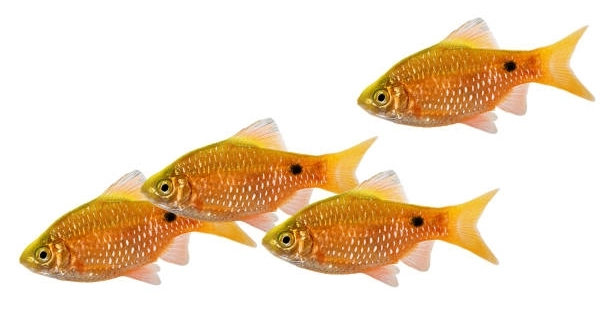
Rosy barbs are popular freshwater fish known for their vibrant colors and peaceful nature. Many hobbyists enjoy keeping them in home aquariums and often look forward to observing their spawning behavior. Understanding what happens when rosy barbs spawn can enhance your fishkeeping experience.
When rosy barbs spawn, females scatter eggs throughout the aquarium plants while males fertilize them externally. This process usually occurs in the early morning and involves active chasing and courtship behavior. Proper water conditions and hiding places increase spawning success and fry survival.
Learning about rosy barb spawning helps you prepare the right environment and care for the young fish. This knowledge is important for maintaining a healthy and thriving aquarium community.
Preparing the Aquarium for Spawning
Creating the right environment is essential for rosy barbs to spawn successfully. The tank should be at least 20 gallons to provide enough space for the fish to swim and interact. Adding fine-leaved plants like Java moss gives the female a place to scatter eggs and offers protection to the fry once they hatch. Maintaining stable water conditions is equally important. Keep the temperature between 72 and 78 degrees Fahrenheit and ensure the pH stays near neutral, around 7.0. Gentle filtration and regular water changes help keep the water clean without stressing the fish. Avoid sudden changes in light or temperature, as rosy barbs can be sensitive during spawning. Providing a balanced diet with live or frozen foods in the days leading up to spawning will help condition the fish and encourage breeding behavior. Watching the rosy barbs prepare for spawning can be rewarding with the right setup.
Proper tank preparation reduces stress and increases the chances of healthy fry survival.
A clean, stable environment combined with plants and appropriate temperature encourages natural spawning behaviors. This makes it easier to care for the young rosy barbs and supports their growth in the early stages.
Recognizing Spawning Behavior
Spawning behavior in rosy barbs is usually noticeable by increased activity and chasing. Males will become more colorful and actively pursue females. This can sometimes look aggressive, but it is part of their natural courtship. Females will swim around plants, ready to release eggs. The spawning event often happens early in the morning, with eggs scattered throughout the tank. Afterward, adults may eat the eggs if there is no cover, so providing enough plants or spawning mops can protect them.
Once spawning starts, it can last for several hours with repeated egg laying and fertilizing. The eggs are small and sticky, adhering to leaves and other surfaces. Fry typically hatch within 24 to 36 hours, depending on water temperature. It is important to remove adults if possible after spawning to prevent them from eating the eggs. Feeding the fry newly hatched brine shrimp or finely crushed flakes helps them grow. Keeping the water clean with frequent small changes supports their development. Understanding these behaviors helps hobbyists manage the breeding process more effectively and increases survival rates.
Caring for Rosy Barb Fry
Newly hatched rosy barb fry are very small and delicate. They need clean water and proper food to grow strong. Feeding should start with tiny, nutritious foods suitable for fry. Keeping the water quality high is essential to avoid diseases.
Feeding fry small amounts multiple times a day helps ensure they get enough nutrition. Newly hatched brine shrimp or crushed flake food work well as first foods. Avoid overfeeding because leftover food can pollute the water quickly. Frequent water changes, about 10-20% daily, help maintain good water quality. Using a sponge filter is a good choice since it provides gentle filtration without sucking up the fry. As the fry grow, gradually introduce slightly larger foods to meet their changing needs. Observing their behavior and growth helps in adjusting care routines.
Keeping fry safe from adult rosy barbs is important. Adults may eat the young if given the chance. A separate breeding tank or a protective nursery area with dense plants or mesh barriers can keep fry safe. Watching the fry grow is rewarding and helps prepare them for life in a community tank.
Common Challenges During Rosy Barb Spawning
One challenge is adults eating their eggs or fry, which lowers survival rates. Providing plenty of plants and hiding spots reduces this risk but does not eliminate it entirely. Monitoring spawning closely allows intervention if necessary.
Water quality can change quickly during spawning and fry development. Uneaten food and waste buildup increase ammonia and nitrite levels, which are harmful to eggs and fry. Regular small water changes and good filtration are critical to keep these levels low. Another common issue is stress in adult fish, caused by sudden changes in temperature or water chemistry. Stress can delay spawning or cause adults to eat eggs. Keeping the tank environment stable and calm supports better breeding results. Lastly, overcrowding in the tank may reduce spawning behavior and lead to more aggression. Providing enough space and hiding places for all fish helps manage these challenges effectively.
Timing of Rosy Barb Spawning
Rosy barbs typically spawn in the early morning when light first reaches the tank. This natural timing helps synchronize their behavior for better fertilization.
Spawning usually happens after the fish have been well-fed and the water temperature is steady between 72 and 78 degrees Fahrenheit.
Signs of Healthy Fry Development
Healthy fry are active and free-swimming within a few days of hatching. Their color starts to develop gradually, and they begin exploring the tank cautiously. Watching their growth progress can help spot any problems early, like sluggishness or unusual behavior.
Handling Fry Growth Stages
Fry grow quickly in the first few weeks but need careful feeding and clean water. Over time, they become less vulnerable and more independent as they start to eat larger foods and swim confidently around the tank.
FAQ
How long does it take for rosy barb eggs to hatch?
Rosy barb eggs typically hatch within 24 to 36 hours after being fertilized. The exact timing depends on the water temperature. Warmer water speeds up the process, while cooler temperatures slow it down. Keeping the tank between 72 and 78 degrees Fahrenheit helps ensure timely hatching. Once hatched, the fry remain near plants or tank surfaces until they start swimming freely.
Do rosy barbs eat their own eggs or fry?
Yes, adult rosy barbs can eat their eggs or fry if they have access to them. This behavior is common and natural. To protect the eggs and fry, it’s important to provide plenty of plants or spawning mops where eggs can stick and fry can hide. Separating adults from eggs or using a breeding tank increases fry survival significantly.
What should I feed rosy barb fry?
In the first few days, newly hatched brine shrimp are the best food for rosy barb fry because they are small and nutritious. You can also use finely crushed flake foods designed for fry. Feed small amounts several times a day to avoid polluting the water. As fry grow, gradually introduce larger foods like micro worms or finely chopped frozen foods.
How often should I change water during spawning and fry development?
Frequent, small water changes are essential to keep water clean and safe for eggs and fry. Changing about 10-20% of the water daily helps remove waste and prevents harmful ammonia and nitrite buildup. Always use dechlorinated water at the same temperature as the tank to avoid shocking the fish.
Can rosy barbs spawn without plants?
Rosy barbs prefer to scatter eggs on plants or other fine surfaces. Without plants, eggs may fall to the substrate and be harder to protect from adults or debris. If you don’t have plants, spawning mops or artificial spawning media can work as alternatives to give eggs a place to stick.
Is it necessary to remove adults after spawning?
Removing adults after spawning is not always required but highly recommended. Adults may eat the eggs or fry, reducing the number of survivors. If the tank is densely planted or you have a separate breeding tank, you might not need to remove adults. Otherwise, separating them increases the chances that fry will survive to adulthood.
How long do rosy barb fry take to reach maturity?
Rosy barb fry usually reach maturity in about 6 to 8 months. Growth depends on feeding, water quality, and tank conditions. Providing proper nutrition and a stable environment supports healthy development and faster growth.
What water conditions encourage spawning in rosy barbs?
Stable water temperature between 72 and 78 degrees Fahrenheit is ideal. A neutral pH around 7.0 and clean water with low ammonia and nitrite levels are also important. Gentle water flow and good oxygenation help create a healthy spawning environment. Avoid sudden changes in temperature or water chemistry to prevent stress.
Can rosy barbs spawn multiple times?
Yes, rosy barbs can spawn multiple times during their breeding season. Frequent feeding with high-quality live or frozen foods encourages repeated spawning. Each spawning can produce hundreds of eggs, but survival depends on tank conditions and protection of the eggs.
What are common signs that spawning is about to happen?
Before spawning, males become more colorful and chase females actively. You may notice the fish swimming closely among plants, with females appearing fuller in the belly as eggs develop. Increased activity and gentle nudging between fish signal that spawning will start soon. These behaviors usually occur in the morning when light first hits the tank.
Understanding the spawning process of rosy barbs helps improve their care and increases the chances of successful breeding. Creating the right environment with stable water conditions, enough space, and plenty of plants makes a big difference. When you provide what they need, the fish feel more comfortable and behave naturally. This not only leads to healthier fry but also makes the whole aquarium more enjoyable to watch. Observing rosy barbs as they spawn can be a rewarding part of fishkeeping when you know what to expect and how to support them.
Caring for the fry is just as important as preparing for spawning. Newly hatched rosy barb fry are very small and need special attention, especially in their early days. Feeding them tiny, nutritious foods like brine shrimp or crushed flakes several times a day helps them grow strong. Keeping the water clean with frequent small water changes is essential to prevent illness. Removing adults or separating fry in a safe space increases their chances of survival. As the fry grow, they become easier to care for and more resilient, but those first few weeks require patience and consistency.
Challenges such as adults eating eggs or fry and changes in water quality are common but manageable with the right approach. Paying close attention to water parameters and tank conditions helps avoid many problems. Providing hiding spots and keeping the tank calm reduces stress for the fish. Spawning rosy barbs may take some effort and careful observation, but the experience can be very satisfying. By following simple guidelines and learning about their natural behavior, you can support healthy breeding and raise happy, thriving rosy barbs in your aquarium.

Hello,
If you enjoy the content that we create, please consider saying a "Thank You!" by leaving a tip.
Every little bit helps us continue crafting quality advice that supports the health, happiness, and well-being of pets around the world, for pets of all shapes, sizes, and species.
We really appreciate the kindness and support that you show us!