
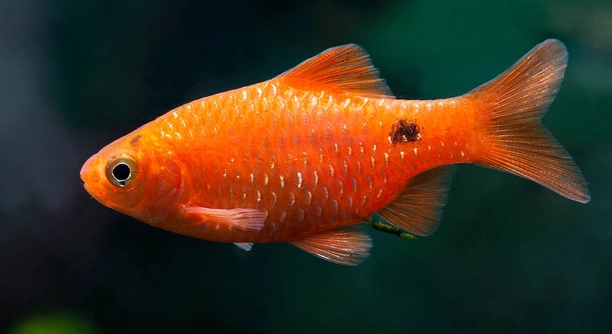
Rosy barbs are popular freshwater fish often kept in home aquariums. They enjoy having places to hide and explore, which helps them feel safe. Understanding their behavior around these hiding spots is important for their care.
Rosy barbs can show territorial behavior over preferred hiding spots, especially when space is limited. They may defend these areas to establish dominance or secure shelter, but this behavior varies depending on tank size and individual temperament.
Knowing how rosy barbs interact with their environment can improve your aquarium setup and help maintain harmony among your fish. Proper hiding spots can make a big difference in their well-being.
Why Rosy Barbs Need Hiding Spots
Rosy barbs feel safer when they have places to hide in the aquarium. These hiding spots help reduce their stress by giving them shelter from other fish and bright lights. Without enough hiding places, they might become anxious or show more aggressive behavior. Providing plants, rocks, or decorations creates a more natural environment that mimics their habitat in the wild. This setup allows them to rest and feel protected when they need a break. It also helps shy or smaller barbs find refuge from larger or more dominant tank mates. When the tank has multiple hiding spots, barbs tend to spread out more evenly, reducing chances of conflicts. A well-planned aquarium with varied hiding places benefits their health and encourages natural behaviors.
Good hiding spots can improve your fish’s overall happiness and reduce tension in the tank.
Having enough safe spaces helps balance the social dynamic among rosy barbs and keeps aggression low.
Signs of Territorial Behavior in Rosy Barbs
Territorial behavior in rosy barbs shows through chasing, nipping, or guarding certain areas. When one fish consistently stays near a particular hiding spot and chases others away, it’s marking its territory. This behavior can increase if the tank is small or overcrowded. Sometimes, rosy barbs circle or display flared fins to warn rivals. Not all barbs behave this way; some are more peaceful and share space easily. The intensity of territorial actions depends on individual personality and tank conditions. Observing your fish regularly will help you understand their interactions better. If conflicts rise, adjusting the environment or adding more hiding places can ease tensions.
Territoriality in rosy barbs is a natural behavior that varies by situation.
Adding plants or décor can reduce conflicts caused by limited space.
When barbs compete for spots, it often results from not enough room or hiding places. Expanding tank size or rearranging decorations helps balance territories. It’s also useful to keep groups of at least six fish, as larger groups reduce aggression. Smaller groups or pairs can increase the chance of bullying. Providing multiple shelters scattered around the tank allows shy fish to escape and reduces competition. Keeping the water clean and maintaining stable conditions further lowers stress, helping fish behave calmly. Sometimes, separating overly aggressive individuals may be necessary to keep the community peaceful. Careful observation and adjustments improve the tank environment for all fish.
How to Set Up Hiding Spots for Rosy Barbs
Hiding spots should be easy to access and spread evenly around the tank. Use plants, caves, or decorations that create safe spaces without blocking swimming areas.
Plants like Java fern or Anubias are great because they provide cover and don’t need much care. Smooth rocks or ceramic caves offer sturdy shelters that won’t harm the fish. Arrange these hiding spots in different parts of the aquarium to give barbs options. This helps reduce stress and lowers the chance of territorial disputes. Avoid overcrowding the tank with too many decorations, as it can limit swimming space. Balance is key to creating a comfortable environment for your rosy barbs to thrive.
Ensure hiding spots fit the size of your fish and tank. Too small or cramped shelters might be ignored or cause more fights. Changing the layout occasionally can keep your fish curious and active, while also preventing one fish from claiming permanent control over a spot. This approach promotes peaceful coexistence and encourages natural behavior.
Monitoring and Managing Territorial Behavior
Watch your rosy barbs regularly for signs of stress or aggression, such as chasing or nipping. Early detection helps you act before conflicts worsen.
If territorial behavior increases, try rearranging hiding spots or adding more cover. Providing extra shelters can disperse aggressive fish and lower tension. Maintaining good water quality and proper tank size also supports calmer interactions. Sometimes, reducing the number of fish or separating the most aggressive individuals is necessary. Keeping a balanced group size helps minimize dominance struggles. By adjusting the environment and observing your fish closely, you create a healthier space where all barbs can feel secure and comfortable.
Common Mistakes When Providing Hiding Spots
Placing all hiding spots in one area can cause competition and increase territorial fights. It’s important to distribute shelters evenly throughout the tank.
Using sharp or unstable decorations may injure your rosy barbs. Always choose smooth, safe materials designed for aquariums.
The Role of Tank Size in Territorial Behavior
Tank size greatly impacts how rosy barbs behave. Smaller tanks limit swimming space and hiding options, which often leads to increased territorial disputes. Larger tanks offer more room for fish to spread out and find separate spots, reducing aggression. A minimum of 20 gallons is recommended for a small group of rosy barbs. Ensuring enough space helps maintain balance and keeps the fish calm. Overcrowding stresses fish and promotes dominance struggles, so adding more space or fewer fish usually solves many behavior problems.
Group Size Considerations
Keeping at least six rosy barbs encourages social balance and reduces bullying.
FAQ
Can rosy barbs share hiding spots without fighting?
Yes, rosy barbs can share hiding spots if the space is large enough and the group is balanced. Smaller shelters tend to cause fights because only one fish fits comfortably. Providing several hiding spots throughout the tank helps reduce competition. In larger tanks, barbs are more likely to tolerate sharing since they have options to move away when needed. However, individual temperament plays a role; some barbs are naturally more peaceful, while others may guard spots more aggressively. Observing your fish can help you identify which hiding places work best for sharing.
How many hiding spots should I provide in my tank?
A good rule of thumb is to offer at least one hiding spot per fish, plus a few extras. This ensures that shy or less dominant barbs have places to retreat without having to compete too much. Multiple hiding spots reduce territorial disputes and stress. If you keep six rosy barbs, aim for eight or nine hiding places spread around the aquarium. Using a mix of plants, rocks, and caves provides variety and feels more natural. Adjust the number based on tank size and fish behavior.
What types of hiding spots do rosy barbs prefer?
Rosy barbs like a variety of hiding spots that give them cover and security. Live plants with broad leaves create natural shelters. Smooth rocks, ceramic caves, and driftwood work well too. Avoid sharp or rough decorations that could injure them. Floating plants can also offer shaded hiding areas near the water surface. The key is to provide spaces that are easy to enter and exit, allowing fish to escape if threatened. Changing decorations occasionally keeps the environment interesting and prevents any single fish from controlling a spot permanently.
Will territorial behavior decrease as rosy barbs get used to their tank?
Often, yes. When rosy barbs first arrive in a new tank, they may be more territorial as they explore and establish boundaries. Over time, as fish settle and recognize each other, aggression usually decreases. Providing enough hiding spots and maintaining proper tank conditions speeds up this process. Some individual fish may remain more dominant or aggressive, but these cases are less common in well-maintained tanks. Regular observation helps spot persistent issues early, allowing you to intervene before conflicts escalate.
Can adding more rosy barbs reduce territorial disputes?
Adding more rosy barbs can sometimes help reduce fighting because it spreads out aggression over a larger group. With six or more fish, no single barb can dominate the entire tank easily. This social balance encourages more peaceful interactions. However, overcrowding must be avoided, as too many fish cause stress and poor water quality, which increase aggression. The key is to find the right group size for your tank volume. Larger groups work best in spacious tanks with plenty of hiding spots.
What should I do if one rosy barb is overly aggressive?
If one fish is bullying others or aggressively guarding hiding spots, first try rearranging the tank’s decorations. Adding more shelters or changing their placement can break up territories and lower aggression. If that doesn’t help, consider isolating the aggressive fish temporarily in a separate tank. Sometimes, aggressive behavior is due to stress or illness, so check water quality and health. If the problem persists, rehoming the aggressive fish may be necessary to protect the group’s well-being.
Do rosy barbs need hiding spots if they are kept with other peaceful fish?
Yes, even peaceful tank mates need hiding spots. Rosy barbs can be curious and active, which might unintentionally stress smaller or shy fish. Providing plenty of shelters ensures all species in the aquarium feel safe. Hiding spots help reduce stress, which promotes healthier fish and lowers the chance of sudden aggression. A well-structured tank with diverse decorations supports harmony among different species.
Can hiding spots affect the breeding behavior of rosy barbs?
Hiding spots can influence breeding by offering secure places for females to lay eggs and for fry to hide. Dense plants or caves are preferred during spawning. Without proper shelter, eggs and young fish become easy targets for other tank inhabitants, including adult barbs. Setting up a breeding-friendly environment with plenty of cover increases the chance of successful reproduction and fry survival. If you want to breed rosy barbs, focus on creating secluded areas that mimic their natural breeding sites.
Rosy barbs are lively and beautiful fish that can bring a lot of enjoyment to an aquarium. Understanding their behavior, especially around hiding spots, helps create a peaceful and healthy tank environment. While they may show some territorial tendencies, these actions are natural and often linked to their need for safety and personal space. Providing enough hiding places is key to reducing stress and preventing fights. These spots give each fish a chance to feel secure, rest, and avoid conflict with others. When their environment feels safe, rosy barbs are more likely to display their bright colors and active personalities.
Setting up a tank with well-distributed hiding spots is not difficult, but it requires some thought. Using a mix of live plants, smooth rocks, and decorations creates a more natural and comfortable space for the fish. It’s important to spread these shelters evenly so no one area becomes a battleground. Tank size also plays a big role; larger tanks allow barbs to spread out and avoid each other more easily. Keeping a balanced group size of at least six fish helps reduce aggression because dominance is less likely to form in larger groups. Monitoring your fish regularly for signs of stress or bullying will help you make adjustments when needed. Small changes like rearranging decorations or adding extra cover can make a big difference in keeping peace.
Remember that every rosy barb is unique. Some may be more peaceful, while others might show stronger territorial behavior. It’s important to watch how they interact and respond to their environment. Sometimes, rearranging the tank or changing the number of fish is necessary to maintain harmony. Creating a calm and stable home for rosy barbs involves a balance of good tank size, plenty of hiding spots, and close observation. When these factors come together, your fish will be healthier, less stressed, and more enjoyable to watch. Taking time to understand and meet their needs makes a happy aquarium for both the fish and the keeper.

Hello,
If you enjoy the content that we create, please consider saying a "Thank You!" by leaving a tip.
Every little bit helps us continue crafting quality advice that supports the health, happiness, and well-being of pets around the world, for pets of all shapes, sizes, and species.
We really appreciate the kindness and support that you show us!