
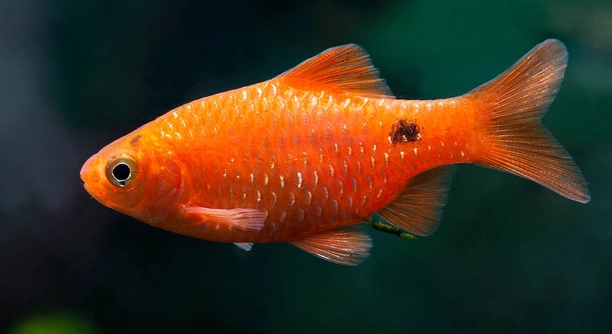
Rosy barbs are popular freshwater fish known for their lively colors and active behavior. Many owners enjoy watching their movements but may not fully understand what these behaviors mean. Learning about their actions helps create a better home for these fish.
Rosy barb behaviors such as swimming patterns, fin movements, and social interactions indicate their health, mood, and environmental comfort. Recognizing common behaviors allows owners to respond appropriately, ensuring the fish’s well-being and preventing stress or illness.
Understanding these behaviors can improve the care you provide and enhance your experience with your rosy barbs. Observing their actions closely reveals valuable insights into their needs.
Active Swimming and Exploring
Rosy barbs are naturally active swimmers. You will often see them moving around the tank, investigating plants, decorations, and other fish. This behavior is a sign of a healthy and curious fish. Active swimming helps them exercise and stay strong. It also indicates that the water conditions and tank environment are suitable for their needs. When they swim in groups, it shows they feel safe and social. Sometimes, they may dart quickly or make sudden movements, which can mean excitement or a reaction to a change in the tank. It’s important to provide enough space for them to swim freely, as overcrowding can lead to stress and reduce their activity. Adding plants and hiding spots can encourage natural exploring behavior, making the tank more interesting for them.
Watching your rosy barbs swim actively usually means they are comfortable and happy in their environment.
Encouraging active swimming is easy with proper tank size and good water quality. A minimum of 20 gallons is recommended for a small group. Regular water changes and balanced feeding help maintain their energy levels. Avoid sudden changes in temperature or lighting, as these can disrupt their swimming patterns. By creating a stable, enriched environment, you support their natural behavior and overall health. Active fish tend to live longer and have fewer health issues.
Fin Flicking and Movement
Fin flicking is a common behavior among rosy barbs. It often looks like small, quick movements of the fins.
Fin flicking can indicate irritation or communication between fish. Sometimes, it happens when they are trying to remove debris or parasites from their fins. In other cases, it might be a response to stress or a new tank mate. If you notice excessive flicking, check water quality and look for signs of illness. Healthy barbs flick their fins occasionally during swimming or resting, which is normal. It’s a subtle way they express themselves. Keeping the tank clean and avoiding overcrowding reduces unwanted fin flicking caused by stress. Observing how often and when the flicking happens can help you understand if it’s a normal action or a sign of a problem.
Regular tank maintenance and observation are key to managing fin flicking behavior.
Schooling Behavior
Rosy barbs prefer to swim in groups, showing strong schooling behavior. This natural instinct keeps them safe and comfortable.
Swimming together reduces stress and helps the fish feel secure. When kept alone or in small numbers, rosy barbs may become shy or inactive. Schooling also encourages natural interaction and activity, which benefits their mental and physical health. If you notice your barbs scattering or isolating themselves, it might be a sign of stress or illness. Maintaining a group of at least six rosy barbs is recommended for their well-being and to promote healthy schooling behavior.
A well-kept group of rosy barbs usually exhibits synchronized swimming and close proximity. This behavior shows they are relaxed and enjoying their environment. When the group moves as one, it’s a sign of strong social bonds and proper tank conditions. Disruptions in schooling can signal changes in water quality or tank setup that need attention.
Nipping and Aggression
Rosy barbs can sometimes nip at other fish, especially during feeding or if the tank is crowded. This behavior is common but should be monitored to prevent injury.
Aggression usually arises from competition for food or territory. If the tank is too small or lacks hiding places, rosy barbs might become more aggressive. Providing ample space, decorations, and plants can reduce aggression by allowing fish to establish personal territories. Introducing peaceful tank mates and maintaining good water quality also helps keep aggression low. Recognizing and managing nipping early can prevent stress and injury to other fish in the tank.
Aggressive behavior is usually temporary and related to environmental factors. Rosy barbs often calm down once they settle into their space or after feeding is complete. Observing their behavior closely helps identify triggers. Adjusting tank conditions or fish numbers can improve harmony in the aquarium. Creating a balanced environment reduces stress and supports peaceful interactions among all tank inhabitants.
Resting and Hiding
Rosy barbs often rest by staying still near plants or decorations. This behavior helps them conserve energy and feel safe.
Hiding is common when they feel threatened or stressed. Providing enough shelter helps them relax and reduces anxiety.
Flashing Behavior
Flashing happens when rosy barbs rub their bodies against objects or the tank walls. This usually indicates irritation from parasites or poor water quality. It’s important to check water parameters and look for signs of infection to keep the fish healthy.
Chasing Other Fish
Chasing is part of rosy barbs’ social interaction but can become aggressive if frequent or intense. It’s normal during feeding or establishing dominance but should not harm other fish. Monitoring the behavior helps maintain peace in the tank.
What does it mean when rosy barbs swim erratically?
Erratic swimming in rosy barbs can indicate stress, illness, or poor water quality. Sudden jerky movements or rapid swimming may be caused by changes in water temperature, ammonia spikes, or parasites. It is important to test the water regularly and maintain stable conditions. Sometimes, erratic swimming happens during feeding excitement but should not last long. If the behavior continues, check for signs of disease such as faded colors, clamped fins, or visible spots.
Why do rosy barbs sometimes hide a lot?
Frequent hiding often means the fish feel stressed or unsafe. This can be caused by aggressive tank mates, poor water conditions, or sudden changes in the environment. Providing plenty of plants and decorations gives them places to feel secure. If hiding persists, it may be a sign of illness or discomfort, so observe for other symptoms and ensure water parameters are ideal.
Is fin flicking a sign of illness?
Fin flicking is normal in small amounts, as fish use it to communicate or remove irritants. However, if fin flicking becomes frequent or vigorous, it might indicate irritation from parasites, fungal infections, or poor water quality. Inspect the fish closely and test the water. Treating the tank with appropriate medications and improving water quality usually helps reduce fin flicking.
How can I reduce aggression among rosy barbs?
Aggression often comes from overcrowding or lack of hiding spots. Keeping at least six rosy barbs together helps spread out aggressive behavior. Adding plants and decorations creates territories where fish can retreat. Feeding evenly and avoiding sudden changes in the tank also reduces stress-related aggression. Choosing compatible tank mates and maintaining clean water are important to keep peace.
Why do rosy barbs nip at other fish?
Nipping usually happens during feeding or when fish establish dominance. It’s a natural behavior but should not cause injury. If nipping is excessive, it may mean the tank is too small or lacks hiding places. Increasing space and providing a well-planted environment helps. Sometimes, introducing faster or hardier fish can balance aggression levels.
What causes flashing behavior in rosy barbs?
Flashing, or rubbing against objects, is a sign of irritation from parasites or poor water conditions. It can also result from itchy skin caused by infections. Checking water parameters, performing regular water changes, and using parasite treatments if needed can solve the problem. Keeping the tank clean and stable reduces flashing incidents.
How do rosy barbs show they are healthy?
Healthy rosy barbs are active, swim in groups, and have bright colors. They eat well and interact calmly with other fish. Their fins are open and intact, without signs of damage or disease. Regularly checking their behavior and tank conditions helps ensure they stay healthy. If you notice lethargy, color loss, or abnormal swimming, investigate water quality and health.
Can rosy barbs live with other fish?
Yes, rosy barbs are generally peaceful but can be semi-aggressive. They do well with similarly sized or larger fish that tolerate their activity level. Avoid slow-moving or long-finned fish that might be nipped. Providing enough space and hiding places helps all fish coexist peacefully. Researching compatible species before adding new fish is always recommended.
How often should I feed rosy barbs?
Feeding rosy barbs once or twice a day with small portions is ideal. Overfeeding can cause water quality problems and health issues. Use a balanced diet of flakes, pellets, and occasional live or frozen foods. Remove uneaten food after a few minutes to keep the tank clean. A regular feeding schedule supports their energy and natural behavior.
What tank size is best for rosy barbs?
A minimum of 20 gallons is recommended for a small group of rosy barbs. They need enough space to swim actively and maintain social behavior. Larger tanks are better for bigger groups or mixed-species setups. Proper filtration and regular maintenance are essential for water quality. Providing ample room reduces stress and supports healthy behavior.
Rosy barbs are lively and colorful fish that bring energy to any aquarium. Understanding their common behaviors helps create a better environment for them. By watching how they swim, interact, and rest, owners can learn what their fish need to stay healthy and happy. Paying attention to small signs like fin flicking or hiding can prevent bigger problems. When their natural behaviors are supported, rosy barbs show more activity and brighter colors, which makes keeping them more enjoyable.
Creating the right tank conditions is important for rosy barbs to thrive. They need enough space to swim freely and to school together. A tank that is too small or crowded can cause stress and lead to aggressive behavior. Adding plants and hiding spots gives them places to rest and feel safe. Good water quality is also essential. Regular water changes, proper filtration, and careful feeding routines help maintain a clean and stable environment. When these needs are met, rosy barbs are less likely to show signs of illness or distress.
Observing your rosy barbs closely can improve how you care for them. Small changes in behavior often tell you when something needs attention. For example, flashing or erratic swimming may point to water problems or parasites. Aggression or excessive hiding can indicate stress or poor tank setup. Addressing these signs early helps keep the fish healthy. Overall, understanding and responding to common rosy barb behaviors builds a positive experience for both the fish and the owner. Taking simple steps to meet their needs leads to a balanced, peaceful aquarium.

Hello,
If you enjoy the content that we create, please consider saying a "Thank You!" by leaving a tip.
Every little bit helps us continue crafting quality advice that supports the health, happiness, and well-being of pets around the world, for pets of all shapes, sizes, and species.
We really appreciate the kindness and support that you show us!