
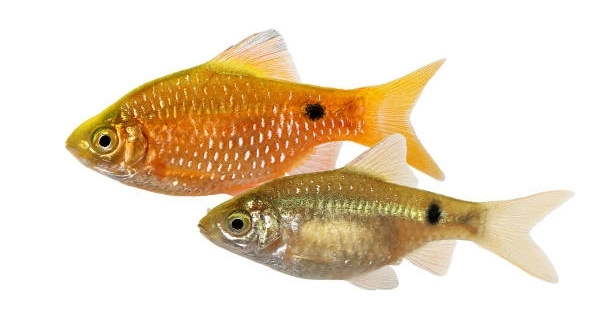
Have you ever found yourself setting up a home aquarium and wondering if one Rosy Barb could live happily on its own?
A Rosy Barb can survive alone, but it is not ideal for its health or well-being. These fish are naturally social and thrive in groups. Keeping one by itself can lead to stress, boredom, and aggressive behavior.
From water conditions to tank mates, there are several key factors that influence a Rosy Barb’s ability to live a healthy and balanced life in your aquarium.
Social Nature of Rosy Barbs
Rosy Barbs are naturally active and social fish. In the wild, they live in groups and constantly interact with others. This behavior carries over into aquariums. When kept alone, a Rosy Barb may appear restless or hide more often. Over time, it can become stressed and display signs of poor health. You may notice it stops eating as much or swims erratically. These behaviors are linked to loneliness and lack of stimulation. Keeping them in small groups of at least five helps them stay engaged and balanced. They are more likely to display their natural behavior, including playful chasing and synchronized swimming. This interaction keeps them healthy both mentally and physically. A solitary life can negatively affect their immune system, making them more prone to illness. Even if they survive alone, they won’t thrive. Providing proper companionship is just as important as clean water and a good diet.
Rosy Barbs do best when they have a small group to swim with. Their social interactions help them feel secure and reduce stress levels.
If your tank size or setup prevents a group, consider changing it to suit multiple Rosy Barbs. It’s not only about keeping them alive—it’s about helping them live well. Their overall health depends on that balance.
Tank Size and Environment
Rosy Barbs need enough space to swim freely. A single fish might survive in a small tank, but a group requires more room to move around.
A 20-gallon tank is the minimum for a small group of Rosy Barbs. They are active swimmers, so the longer the tank, the better. Clean water is essential, but so is the layout. Add plants, open swimming areas, and hiding spots. Avoid sharp objects, as these fish can be fast and clumsy. A gentle filter helps keep the water clean without causing too much current. Maintaining stable water conditions is also important. Try to keep the temperature between 74°F and 79°F with a pH of 6.5 to 7.5. If the environment feels cramped or unstable, the fish may become aggressive or withdrawn. A peaceful, well-maintained tank allows your Rosy Barbs to show their best colors and behavior. This setup supports group living, which keeps them active and reduces the chance of health problems.
Diet and Feeding Habits
Rosy Barbs are not picky eaters, but they need a balanced diet to stay healthy. A mix of flakes, pellets, and occasional treats will help keep them active and vibrant.
Offer them high-quality flakes or micro-pellets as a staple. Include live or frozen foods like brine shrimp, bloodworms, or daphnia once or twice a week for variety. Vegetables like blanched spinach or zucchini also add important nutrients. Feed them small amounts twice a day, just enough for them to finish in two minutes. Overfeeding can lead to poor water quality and health problems. Uneaten food should be removed to avoid buildup. A consistent feeding routine helps reduce stress and supports a healthy immune system. Group feeding also encourages natural behavior and gives them something to interact with. A well-fed Rosy Barb will display better colors and more active swimming patterns.
If kept alone, a Rosy Barb may lose interest in food over time. Without competition or interaction, feeding can become dull, and it might not eat as eagerly. This change in behavior can affect overall health and energy levels. Group settings encourage active feeding, as the presence of other fish stimulates interest and movement. Feeding becomes a social and engaging part of their day.
Water Conditions and Maintenance
Rosy Barbs prefer stable water conditions with low levels of stress. Regular water changes and monitoring help keep them healthy and active in any setup.
Use a reliable heater and thermometer to keep the water temperature between 74°F and 79°F. Test the water weekly to ensure ammonia, nitrites, and nitrates are within safe ranges. Aim for a neutral pH of 6.5 to 7.5. Perform partial water changes of 25% every week to prevent buildup of waste and toxins. A good filter is essential, but it shouldn’t create strong currents, as Rosy Barbs prefer calm areas to rest. Remove algae and uneaten food to keep the environment clean. Poor water quality causes stress and weakens their immune system. A healthy tank keeps them active, colorful, and less prone to illness. When water is properly maintained, Rosy Barbs—whether kept alone or in a group—are more likely to thrive and stay calm.
Behavioral Signs of Loneliness
A Rosy Barb living alone may become less active. It might spend more time hiding, stop exploring the tank, or swim aimlessly. These are early signs that it isn’t comfortable or mentally stimulated.
Aggression can also appear in a solitary Rosy Barb. Without tank mates, it may direct energy toward its reflection or tank decorations. This behavior can increase stress levels.
Compatibility With Other Fish
Rosy Barbs are generally peaceful but can get nippy if bored or cramped. They do well with other semi-aggressive or fast-moving fish, like Zebra Danios or Cherry Barbs. Avoid slow-moving or long-finned species, as Rosy Barbs may chase or nip at them. Always choose tank mates with similar energy levels. A balanced group dynamic reduces stress and prevents conflict. Make sure the tank is large enough to support all species comfortably. Adding a few hiding spots helps fish feel secure and provides space when they want to be alone. With the right setup, Rosy Barbs live well with others and stay active.
Lighting and Stimulation
Rosy Barbs do best with moderate lighting and an interesting tank layout. Plants, rocks, and hiding areas encourage natural activity and reduce boredom.
FAQ
Can a Rosy Barb survive completely alone for its entire life?
Yes, a Rosy Barb can survive alone, but it likely won’t live its healthiest or happiest life. These fish are naturally social and rely on interaction for mental stimulation and well-being. A solitary Rosy Barb might survive for several years if the water quality, diet, and tank conditions are ideal. However, it may become stressed, less active, and more prone to illness without social interaction. Even in a perfect environment, being alone can take a toll over time. Keeping them in small groups is recommended if you want your Rosy Barb to thrive, not just survive.
How many Rosy Barbs should be kept together?
The ideal group size for Rosy Barbs is at least five. This number helps prevent aggression, as they establish a natural pecking order and spread out their energy. In smaller groups or pairs, one fish may become dominant and bully the others. A group of five or more helps balance this out. If your tank size allows it, a larger group will offer even more stability and reduce stress. Always make sure your tank is large enough to support the group without feeling cramped. A 30-gallon tank or larger works well for small groups.
Can Rosy Barbs live with other fish instead of their own kind?
Yes, Rosy Barbs can live with other species, but it depends on the fish you choose. Fast swimmers and semi-aggressive species usually work best, such as Tiger Barbs, Platies, or Rainbowfish. Avoid long-finned or slow fish like Angelfish or Bettas, as Rosy Barbs may nip at them. If you mix species, make sure your tank is large and has space for all fish to claim their own area. Watch for signs of chasing or aggression in the first few days. If everyone is active and eating well, the group is likely compatible.
Why does my Rosy Barb keep chasing other fish?
Chasing often happens when Rosy Barbs are kept alone or in too small a group. Without enough social balance, they may become territorial or overly dominant. Chasing can also be a sign of boredom. In some cases, it’s a natural behavior during feeding or playful interaction. If it turns aggressive—like fin nipping or constant harassment—consider increasing the group size or rearranging the tank to create more hiding places. Adding plants, rocks, and visual barriers can break up sight lines and reduce tension. Always monitor behavior to keep the tank peaceful.
What happens if a Rosy Barb gets too lonely?
When a Rosy Barb is lonely, it may show signs of stress such as reduced appetite, dull colors, or unusual swimming patterns. It may hide more often, act sluggish, or become aggressive toward tank decorations or reflections. Over time, stress from loneliness can weaken the immune system and shorten its lifespan. Providing proper stimulation, a clean environment, and ideally some tank mates will help keep it healthy. Even though it can survive alone, a bored and lonely fish isn’t living well.
Can female Rosy Barbs live alone better than males?
Females tend to be less aggressive and more laid-back, so they may show fewer signs of stress when kept alone. However, they still prefer to live in groups. While a lone female might appear calm, she may still experience boredom or health issues over time. The same general care guidelines apply to both sexes—social interaction, clean water, and a stimulating tank environment are key. If keeping just one fish is your only option, adding extra plants and enriching their space becomes even more important.
How do I know if my Rosy Barb is stressed from being alone?
Signs of stress in a lone Rosy Barb include loss of appetite, faded color, erratic swimming, and long periods of hiding or stillness. It may also interact oddly with its reflection, swim up and down the glass, or lash out at tank items. These signs often mean it’s not getting enough stimulation. Try adjusting the environment by adding plants, rocks, or even a bubbler to create movement. If possible, consider adding more Rosy Barbs to reduce the stress and improve its quality of life.
Is it harder to care for just one Rosy Barb?
In some ways, yes. A single Rosy Barb might seem easier to manage, but keeping it healthy without the social stimulation it needs requires more effort. You’ll need to watch for stress signs and compensate with a more enriched environment. This means more regular interaction, varied feeding, and frequent water quality checks. In a group, their social behavior helps regulate stress naturally. Alone, you have to take on more of that work. It’s not impossible—but it does require attention and consistency to keep a single fish engaged and well.
Final Thoughts
Rosy Barbs are beautiful, active fish that bring life and color to any aquarium. While they can survive alone, it’s not the best choice for their long-term health or behavior. These fish are naturally social and do much better when kept in groups of their own kind. Being around others keeps them engaged, reduces stress, and encourages more natural behavior. If you’re thinking about keeping just one Rosy Barb, it’s important to understand that you may need to do extra work to keep it active and healthy. This includes offering a stimulating environment, varied diet, and stable water conditions.
Keeping a group of Rosy Barbs doesn’t mean you need a huge tank, but you do need to plan carefully. A 20 to 30-gallon tank is a good place to start if you want to keep a small group. The tank should include open swimming space, plants, and areas where the fish can hide or rest. Feeding them a healthy mix of flakes, live foods, and vegetables will also support their growth and color. When these needs are met, Rosy Barbs tend to be peaceful, curious, and fun to watch. They often swim together, chase each other in play, and interact with their surroundings in an active way.
If keeping more than one Rosy Barb is not possible, then focus on making the environment as enriching as you can. Add plenty of plants, smooth decorations, and gentle water movement. Pay close attention to how the fish behaves over time. If you notice changes in color, appetite, or activity levels, these may be signs of stress or boredom. Even though a single Rosy Barb might seem easier to care for at first, it still requires thoughtful care and attention. In the end, giving your fish the best quality of life—whether that means changing the tank setup, adding more fish, or simply being more involved—makes a big difference. A healthy Rosy Barb, whether kept alone or in a group, is more colorful, active, and enjoyable to keep.

Hello,
If you enjoy the content that we create, please consider saying a "Thank You!" by leaving a tip.
Every little bit helps us continue crafting quality advice that supports the health, happiness, and well-being of pets around the world, for pets of all shapes, sizes, and species.
We really appreciate the kindness and support that you show us!