
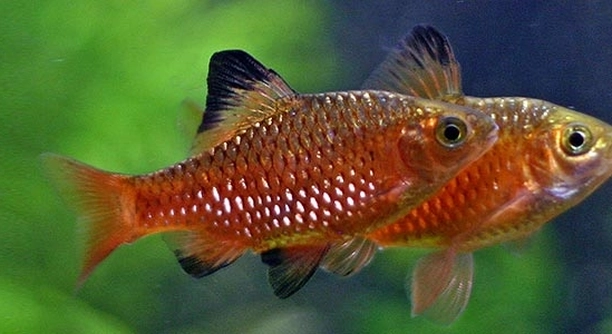
Are your rosy barbs showing signs of happiness in their tank? Knowing how to spot their contentment helps create a better environment for these lively fish. Happy rosy barbs are active, colorful, and interact well with their surroundings.
Rosy barbs express happiness through bright colors, active swimming, healthy eating, and social behavior. Observing their movement, appetite, and interaction provides clear indicators of their well-being and comfort in the aquarium.
Recognizing these signs ensures your rosy barbs stay healthy and enjoy their home. This guide will help you notice what matters most for their happiness.
Active Swimming and Exploration
Rosy barbs that are happy tend to swim around the tank actively. They explore different areas, glide through plants, and sometimes swim in groups. Their movement is smooth and confident, not erratic or sluggish. When they hide constantly or stay in one spot, it can mean they feel stressed or unwell. Watching how much your rosy barbs move helps you understand if they are comfortable. A lively tank with rosy barbs darting here and there usually means a healthy environment.
Active swimming also shows that the water conditions and temperature are suitable. Rosy barbs enjoy a well-oxygenated tank with enough space to roam. If your fish are swimming near the surface or gasping for air, it’s a sign of poor water quality. Maintaining a clean tank encourages your rosy barbs to be more active and explore freely.
Regular observation of their swimming patterns gives you clues about their health. Ensuring good tank maintenance and a balanced diet supports their natural behavior and happiness.
Bright Colors Indicate Well-being
Healthy rosy barbs display bright, vibrant colors.
When rosy barbs are happy and healthy, their colors become more vivid. Dull or faded coloring often signals stress, illness, or poor water conditions. These fish rely on their color to communicate health and mood. Changes in color may also be a reaction to diet or lighting in the aquarium. Maintaining stable water parameters and providing nutritious food helps preserve their natural hues.
Regular water changes, proper filtration, and a balanced diet rich in vitamins will keep your rosy barbs glowing. Proper lighting that mimics their natural habitat also brings out their best colors. If you notice dullness, check water quality first and then diet. Sometimes, adding live plants can improve the environment and help fish feel more secure, further enhancing their appearance. Understanding the link between color and well-being helps in spotting early signs of problems before they worsen.
Healthy Appetite
Rosy barbs that are happy show a good appetite and eat regularly without hesitation.
A consistent appetite means your fish are comfortable and stress-free. If they suddenly lose interest in food or refuse to eat, it might indicate illness or poor water quality. Feeding them a varied diet of flakes, pellets, and occasional live or frozen foods encourages good nutrition and keeps them energetic. Overfeeding, however, can cause water problems and harm their health.
Watching how eagerly your rosy barbs eat is a simple way to track their well-being. Healthy fish will come to the surface or the feeding area quickly when food is introduced. Making sure food is fresh and appropriate for their size supports their appetite and overall happiness.
Social Behavior
Rosy barbs are social fish that enjoy swimming with others of their kind.
They usually swim in groups and interact with each other regularly. Happy rosy barbs display playful and peaceful behavior within their group, showing signs of bonding and cooperation. If they isolate themselves or become aggressive, it may point to stress or discomfort. Maintaining a proper group size and tank space helps prevent conflicts and encourages natural social behavior. Watching how your rosy barbs interact provides insight into their mental and emotional health. Social dynamics are key to their happiness.
Clear Eyes and Fins
Clear eyes and intact fins are signs of a happy rosy barb. Cloudy eyes or torn fins may indicate stress or illness.
Healthy fins spread out while swimming and are free of discoloration or damage. Watching for these details helps catch problems early and keeps your fish comfortable.
Regular Breathing Patterns
Normal breathing is steady and not rapid. Rosy barbs breathe smoothly, with gill movements that are calm and even. Rapid or heavy breathing often signals poor water quality or health issues.
Keeping the tank well-aerated and clean supports their respiratory health. Regular checks on water parameters prevent oxygen shortage and keep your fish breathing easily.
Calm Resting Behavior
Rosy barbs rest calmly in safe spots in the tank. Resting is natural and shows they feel secure.
If they hide constantly or seem restless while resting, it may signal discomfort. A quiet tank with plenty of hiding places encourages peaceful resting and a happy fish.
FAQ
How can I tell if my rosy barb is stressed?
Signs of stress in rosy barbs include erratic swimming, hiding constantly, loss of color, and reduced appetite. They may also gasp near the water surface or have clamped fins. Stress often comes from poor water quality, overcrowding, sudden changes in environment, or aggressive tank mates. Regular water testing, maintaining stable conditions, and providing enough space help reduce stress.
What is the ideal tank setup for rosy barbs?
Rosy barbs thrive in tanks with at least 20 gallons, plenty of swimming space, and good filtration. The water temperature should be between 64°F and 72°F, with a pH level around 6.5 to 7.5. Include plants and hiding spots, but leave open areas for swimming. Proper aeration and regular water changes keep the environment healthy.
Can rosy barbs live with other fish?
Yes, rosy barbs are generally peaceful but can be a bit boisterous. They do well with other similarly sized, active fish such as danios, tetras, and barbs. Avoid slow-moving or long-finned fish, as rosy barbs may nip their fins. Keeping them in groups of at least six helps reduce aggression and encourages natural social behavior.
What should I feed my rosy barbs?
A varied diet keeps rosy barbs healthy and happy. Feed them high-quality flakes or pellets designed for tropical fish. Supplement their diet with live or frozen foods like brine shrimp, bloodworms, and daphnia. Vegetables like blanched spinach or peas can also be offered occasionally. Feed small amounts twice daily, avoiding overfeeding to keep water clean.
How often should I clean the tank?
Partial water changes of 25-30% every one to two weeks are best for keeping rosy barbs healthy. Remove uneaten food and debris regularly to prevent buildup. Clean the filter monthly, but avoid washing it with tap water to preserve beneficial bacteria. Regular maintenance prevents harmful toxins from building up and keeps your fish comfortable.
Why is my rosy barb hiding so much?
Frequent hiding often indicates stress or illness. It can also mean your tank lacks enough hiding spots or the fish feels threatened by tank mates. Ensure the water quality is good and the tank environment provides plants or decorations where your rosy barbs can retreat comfortably.
What should I do if my rosy barb changes color?
Color changes may happen due to stress, poor water quality, illness, or even aging. First, check water parameters and improve tank conditions if needed. Observe your fish for signs of disease or injury. Sometimes color changes occur after breeding or during molting periods, which is normal. Providing a balanced diet and stable environment helps maintain vibrant colors.
How can I encourage my rosy barbs to breed?
To encourage breeding, keep a group of healthy rosy barbs in a spacious tank with plenty of plants or spawning mops. Slightly raising the water temperature to around 72°F and feeding them high-protein foods can stimulate breeding behavior. After spawning, it’s best to separate the adults from the eggs to protect the fry.
Are rosy barbs hardy fish for beginners?
Yes, rosy barbs are considered hardy and suitable for beginners. They adapt well to a range of water conditions and are relatively easy to care for. However, they do need proper tank size, clean water, and a balanced diet to thrive. Keeping them in groups improves their behavior and health, making them great for new fishkeepers.
What signs show my rosy barb is sick?
Common signs of illness include loss of appetite, sluggishness, faded colors, spots or lesions on the body, clamped fins, and rapid breathing. Also watch for abnormal swimming patterns like floating upside down or rubbing against objects. Early detection and treatment improve recovery chances, so observe your fish regularly.
Final Thoughts
Taking care of rosy barbs means paying close attention to their behavior and environment. These fish show happiness through simple signs like bright colors, active swimming, and social interaction. When you notice your rosy barbs exploring the tank, eating well, and swimming smoothly, it usually means they are healthy and comfortable. Maintaining clean water and providing enough space helps them stay happy. Watching your fish regularly allows you to catch any problems early, which makes a big difference in their well-being.
Creating the right tank conditions is important for rosy barbs’ happiness. They prefer tanks with enough room to swim freely and places to hide when they want some rest. Good filtration and regular water changes keep the water clean, which supports their health. Feeding them a varied diet, including flakes and occasional live food, gives them the nutrients they need. A stable environment without sudden changes reduces stress. When all these factors come together, rosy barbs show more natural behavior and stronger colors.
It’s normal for rosy barbs to rest or hide sometimes, but too much hiding or slow movement could signal a problem. Paying attention to how they interact with each other is also key, since these fish are social and feel best in groups. By observing these signs, you can ensure your rosy barbs stay happy over time. Taking good care of them requires regular maintenance and patience, but it’s rewarding to see your fish thrive. Keeping their tank clean, feeding them well, and watching their behavior will help you enjoy a lively and colorful aquarium.

Hello,
If you enjoy the content that we create, please consider saying a "Thank You!" by leaving a tip.
Every little bit helps us continue crafting quality advice that supports the health, happiness, and well-being of pets around the world, for pets of all shapes, sizes, and species.
We really appreciate the kindness and support that you show us!