
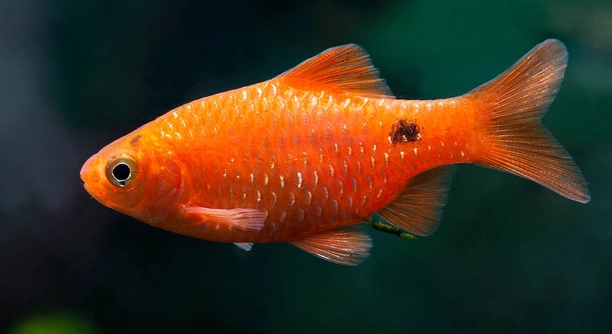
Rosy barbs are popular freshwater fish often kept in home aquariums for their bright colors and lively nature. Many owners enjoy watching their rosy barbs swim and interact in their tanks. These fish can sometimes show behaviors that seem familiar or responsive to their caretakers.
Rosy barbs do have a basic level of recognition and can remember certain cues or routines, but their memory is limited compared to mammals. They respond mainly to consistent feeding times and environmental changes rather than personal recognition of individual owners.
Understanding how rosy barbs remember and react to their surroundings can improve your care routine and deepen your connection with them. This article will explain their memory and behavior in simple terms.
How Rosy Barbs Recognize Their Environment
Rosy barbs recognize their environment mostly through routine and repetition. They can learn to associate feeding times with the presence of their owner or specific sounds, like the tapping of a fish tank lid. These fish do not recognize people the way mammals do, but they become familiar with patterns that signal food or changes in their space. For example, if you always feed them at the same time and place, they will swim eagerly toward that spot. Their memory allows them to adapt to these routines, which helps reduce stress and encourages healthy behavior. This ability to remember helps them feel safe and comfortable in their environment, which is important for their well-being.
Memory in rosy barbs is based more on habit than on recognizing individuals. They rely on environmental cues rather than detailed memories of people.
Because rosy barbs depend on routine, consistent care is key. By keeping feeding times regular and minimizing sudden changes in the tank, you support their natural behavior. This stability helps them stay active and less stressed. Over time, your fish may respond to your presence with movement or excitement, which shows they associate you with positive experiences. This does not mean they remember you personally, but they connect your actions with good things like food or safety. Knowing this can help you build a calm, responsive environment that benefits both you and your rosy barbs.
What Rosy Barbs Can Remember
Rosy barbs primarily remember things related to survival, such as food sources, safe places, and possible threats. They use simple memory to learn where to find food in the tank and when it will be given. This learning helps them thrive in captivity. Unlike animals with complex social structures, rosy barbs don’t form personal attachments but do respond to repeated interactions that improve their daily life. Their memory lasts long enough to recall feeding routines or recognize patterns, but it is not detailed or emotional like human memory.
The memory of rosy barbs supports their daily habits and responses to tank conditions. They remember feeding times, tank layout, and mild threats, which aids in their survival and comfort.
Their ability to remember allows them to adapt to changes in their environment, such as new decorations or tankmates. When introduced to a new tank, they take time to learn where food appears and identify places that offer shelter. This adaptation is part of their natural survival instinct. If conditions remain stable, they quickly settle into a routine. However, if the tank environment changes often, they may become stressed or less active. Understanding this helps owners create a more predictable environment that respects the fish’s simple memory, which ultimately supports their health and lifespan. Consistent care and observation are key to meeting their needs effectively.
How to Improve Your Rosy Barb’s Memory
Consistency in feeding and tank maintenance helps improve your rosy barb’s memory. Using the same feeding schedule and location trains them to expect food at certain times. This routine supports their ability to remember and respond.
Repetition is key to helping rosy barbs recognize patterns. When you feed them regularly at the same time and place, they learn to associate your presence with food. This predictable routine reduces stress and helps build trust in their environment. Over time, your fish will swim toward you or the feeding area, showing they remember the schedule. Small cues like tapping the tank before feeding can reinforce this connection. This simple training improves their daily behavior and overall well-being.
Visual cues in the tank can also aid memory. Bright decorations or specific plants placed near feeding areas help rosy barbs remember where food appears. This encourages them to explore and stay active. However, avoid frequently changing the tank layout as it can confuse the fish and cause stress. Keeping a stable environment with consistent routines is the best way to support their memory and health.
Recognizing Signs Your Rosy Barb Remembers You
When your rosy barbs swim toward you during feeding, it shows recognition of your routine. They may also become more active when you approach the tank at usual feeding times. These behaviors suggest they remember the pattern you’ve created.
A rosy barb’s reaction to your presence is mainly about habit, not emotional memory. They respond to the sight or sounds associated with feeding rather than remembering you as a person. Still, this recognition builds a simple bond through repeated interaction. Watching your fish respond this way can be rewarding, knowing they have learned to expect care and food from you. It also means your consistent attention is noticed, which helps keep them healthy and comfortable in their tank.
Can Rosy Barbs Recognize Their Owners?
Rosy barbs do not recognize owners like pets such as dogs or cats. Their recognition is based on routine and repeated cues related to feeding and care, not personal identification.
They respond to movements or sounds associated with feeding times but do not form emotional bonds or recognize individual humans.
How Long Can Rosy Barbs Remember?
Rosy barbs have short- to medium-term memory that lasts several days to weeks. This memory helps them learn feeding schedules and tank layouts, but it is limited compared to mammals.
Training Your Rosy Barb to Respond
Using consistent feeding times and gentle tapping on the tank can train your rosy barbs to come near when food is offered. Repetition is important for this simple training.
Why Consistency Matters
FAQ
Do rosy barbs recognize their owners?
Rosy barbs do not recognize owners like pets such as cats or dogs. Instead, they remember routines and cues related to feeding or tank activity. When you approach the tank at usual feeding times, they might swim toward you, but this is a response to habit, not personal recognition.
How long can rosy barbs remember things?
Their memory lasts from a few days up to several weeks. This helps them learn feeding times, tank layout, and familiar sounds. However, their memory is simple and focused mainly on survival habits, not detailed or emotional memories.
Can rosy barbs be trained?
Yes, but training is basic. They learn to associate certain actions, like tapping the tank or shaking food containers, with feeding time. Repeating these actions consistently helps them respond better, making feeding easier and more predictable.
Why do my rosy barbs swim toward me at feeding time?
They swim toward you because they associate your presence with food. Over time, they learn to expect feeding when you come near. This behavior shows they remember routines but not the person personally.
Do rosy barbs get stressed if their routine changes?
Yes, they prefer stable environments and consistent routines. Sudden changes in feeding times, tank decorations, or water conditions can stress them. Keeping things predictable supports their health and reduces stress.
How can I help my rosy barbs feel comfortable?
Stick to regular feeding schedules and avoid frequent changes in the tank layout. Adding familiar decorations and maintaining good water quality will make them feel secure and encourage natural behavior.
Is it possible for rosy barbs to remember tankmates?
They recognize other fish mainly by scent and appearance but don’t form strong memories or bonds. They react more to immediate behavior and territory rather than remembering individual fish over time.
What signs show that rosy barbs are healthy and well-adjusted?
Active swimming, bright colors, regular feeding response, and social behavior with tankmates are good signs. If they come to the front of the tank at feeding times, it shows they have learned the routine and feel safe.
Can rosy barbs remember threats or dangers?
They can remember signs of danger briefly, like sudden movements or aggressive tankmates. This helps them avoid harm but their memory fades quickly, so they don’t hold long-term fear or trauma like some other animals.
How do rosy barbs’ memory abilities compare to other fish?
Their memory is similar to many small freshwater fish—basic and focused on survival. Some species have better memory, especially those that hunt or live in complex environments, but rosy barbs rely mostly on routine recognition.
Should I interact with my rosy barbs often?
Interacting through regular feeding and gentle tank maintenance helps them become familiar with your presence. This builds a simple routine they recognize and respond to positively, which can improve their comfort and reduce stress.
Can rosy barbs remember feeding times if I change the schedule?
Changing feeding times often confuses them. They learn best with consistent schedules. If you must change, do it gradually so they can adjust and continue to feel secure in their routine.
What role does environment play in a rosy barb’s memory?
A stable, well-maintained environment helps them form consistent memories. Clear water, steady temperature, and familiar decorations support their ability to recognize places and routines in the tank.
Are rosy barbs good fish for beginners because of their memory?
Yes, their simple memory and routine-based behavior make them easy to care for. They adapt well to stable tank conditions and show clear signs of recognition during feeding, which can be encouraging for new fish keepers.
How can I tell if my rosy barb is stressed from memory confusion?
Signs include hiding more often, loss of appetite, erratic swimming, or dull colors. These may result from frequent changes in their environment or feeding routine, which interfere with their ability to remember and feel safe.
What is the best way to bond with rosy barbs?
Bonding is about routine and consistency rather than emotional attachment. Feeding on a schedule and gently interacting with the tank builds familiarity, which your rosy barbs recognize and respond to positively.
Do rosy barbs remember being handled or moved?
They likely experience stress from handling but do not remember it long term. Minimizing handling and providing a stable environment after moving helps them recover quickly and reduce stress.
Can rosy barbs recognize their reflection?
They may react to their reflection but do not understand it as themselves. This can sometimes cause curiosity or aggression, depending on their mood and tank setup.
Is it normal for rosy barbs to forget feeding times?
If the feeding schedule is irregular or inconsistent, they may seem to forget. Consistency is key for them to remember and respond reliably to feeding cues.
How important is water quality for rosy barb memory and behavior?
Good water quality is crucial. Poor conditions cause stress, which can affect their behavior and ability to learn routines. Clean, stable water helps maintain normal activity and memory function.
Rosy barbs are simple fish with basic memory skills that help them survive and adapt in their tanks. They do not recognize people like pets such as cats or dogs, but they learn to associate routines and cues with positive experiences like feeding. Their memory mainly works by remembering patterns and habits, such as the time and place food is given. This means that by providing a stable environment and regular care, you help your rosy barbs feel safe and comfortable in their home. Consistency is important because it allows them to develop simple routines they can rely on every day.
Creating a predictable routine benefits both you and your fish. When you feed your rosy barbs at the same time each day and maintain a stable tank environment, they quickly learn to respond to these signals. This can look like swimming toward you or the feeding area when they see or hear certain actions, like tapping on the tank or the sound of the food container. While this does not mean they remember you personally, it shows that they recognize the actions connected to food and safety. A regular routine reduces stress for your fish, making them more active and healthy. It also helps you build a stronger connection with your tank, making caring for your rosy barbs more enjoyable.
Understanding that rosy barbs have limited memory but can learn from repeated experiences helps set realistic expectations. They rely on simple habits rather than emotional bonds or complex recognition. Providing a calm, steady environment with good water quality, regular feeding times, and minimal sudden changes will support their well-being. This simple approach ensures your rosy barbs stay comfortable and thrive in their tank. Watching your fish respond to routines and thrive in a healthy space can be a rewarding experience, even without the deep personal recognition seen in some other pets.

Hello,
If you enjoy the content that we create, please consider saying a "Thank You!" by leaving a tip.
Every little bit helps us continue crafting quality advice that supports the health, happiness, and well-being of pets around the world, for pets of all shapes, sizes, and species.
We really appreciate the kindness and support that you show us!