
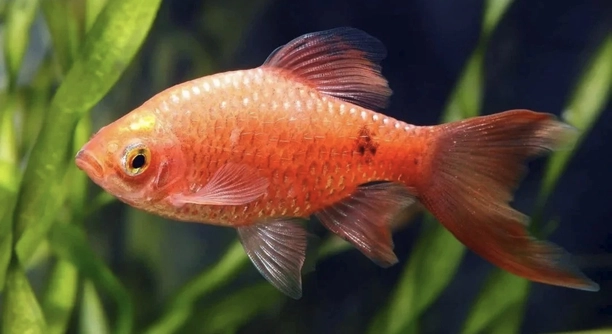
Have you ever spent time watching your Rosy Barb and started to wonder if it enjoys your company or just tolerates you?
Rosy Barbs show affection through specific behaviors such as swimming toward you, eating from your hand, or staying close to the glass when you approach. Observing their movements and reactions can give clear insight into their comfort and bond with you.
From subtle signs to more obvious gestures, these clues can help you understand your Rosy Barb’s feelings and build a better connection.
1. It Swims Toward You When You Approach
Rosy Barbs are naturally active, but when they consistently swim toward you as you walk by the tank, it can mean they recognize and feel safe around you. This behavior is often paired with gentle pacing or hovering near the front of the glass. It’s not always about food—sometimes they’re simply acknowledging your presence. If your Rosy Barb seems excited when you’re near, that’s a positive sign. They may even start associating your movements with positive things, like feeding or tank enrichment. Over time, this can grow into a subtle form of trust. Make sure not to confuse this with stress-induced pacing, which usually looks more frantic or desperate. When the movements are calm and purposeful, it’s more likely a sign of connection. Watch closely for patterns. Consistency in these actions shows that your fish is beginning to form a link with you, even in its small but expressive way.
This reaction is one of the easiest signs to notice, especially if you pay attention to when and how often it happens.
If your Rosy Barb only acts this way during feeding times, it could be motivated by food. But if it greets you outside of feeding, that’s a deeper sign.
2. It Stays Calm During Tank Maintenance
If your Rosy Barb doesn’t dart away or hide during tank cleaning, it’s a strong sign it feels safe. Quick retreats into hiding spots or frantic swimming are common fish responses to stress. So, when a Rosy Barb stays still or swims nearby while your hands are in the water, that calm behavior suggests trust. It doesn’t mean the fish enjoys the process—it just means it doesn’t view you as a threat. Some even swim around the cleaning tools, showing a level of curiosity. Pay attention to how it acts after maintenance, too. If it returns to normal behavior quickly, that’s another good sign. Over time, Rosy Barbs can learn that your presence, even during these disruptions, isn’t harmful. This type of quiet acceptance only comes when your fish feels comfortable. Building that comfort takes time, but once it’s there, it changes how your Rosy Barb interacts with you every day.
3. It Eats From Your Hand
When a Rosy Barb takes food from your hand, it’s showing a strong level of comfort. This behavior doesn’t happen right away—it usually develops over time with regular interaction and gentle movements near the tank.
Start by placing your hand near the water during feeding times, allowing the fish to associate you with food. Once your Rosy Barb begins swimming closer, gradually let the food rest in your fingers just below the surface. If it swims up and eats from your hand, that shows it doesn’t see you as a threat. It’s a small but clear sign of growing trust. The key is consistency. Keep your movements slow and calm, and avoid sudden gestures that may scare it. With time, this feeding habit can become a regular routine, helping to strengthen your connection and making your Rosy Barb more responsive to your presence near the tank.
Even if your Rosy Barb doesn’t do this every day, occasional hand feeding still indicates a positive relationship. It means the fish is relaxed and open to direct interaction. This kind of behavior is rare in fish that are stressed or feel unsafe. Be patient—it can take weeks for some fish to get used to hand feeding.
4. It Follows Your Finger
Rosy Barbs are naturally curious, and if yours follows your finger along the glass, it may be trying to interact. This behavior usually means it recognizes your presence and feels safe enough to respond with interest.
Try moving your finger slowly along the tank wall and see how your Rosy Barb reacts. If it swims along with your finger or even turns with your movement, it’s showing awareness and a sense of interaction. Over time, this can turn into a regular activity. Fish that feel threatened usually hide or swim away, so this kind of following shows the opposite. Make sure to keep the interaction gentle—sudden or fast movements can still startle the fish. If you make this a short, daily routine, it can help your Rosy Barb grow even more familiar with you and your habits. The more positive experiences it connects to you, the stronger that trust becomes.
5. It Doesn’t Hide When You’re Nearby
Rosy Barbs usually hide when they feel stressed or unsafe. If yours stays out in the open while you’re around, that’s a sign it’s comfortable. Calm swimming and relaxed movement show your presence isn’t seen as a threat.
Even in a new environment, a Rosy Barb that quickly stops hiding and becomes active around you is showing signs of adjustment and trust. This kind of comfort takes time and steady interaction.
6. It Responds to Your Voice
While fish don’t hear the same way humans do, Rosy Barbs can detect vibrations and sound patterns. If your Rosy Barb becomes more active when you speak near the tank, it may be responding to your voice. This reaction isn’t about recognizing words but rather the consistent sound and tone you use regularly. Over time, it may associate your voice with feeding or calm interaction. If it swims to the front or becomes more alert when you talk, that’s a good indicator it connects your voice with a positive experience. Keep using a calm tone to reinforce the connection over time.
7. It Stays Active and Shows Normal Behavior
A Rosy Barb that is comfortable around you will act naturally. It will swim, explore, eat, and interact with its environment without hesitation. Stress often causes fish to freeze or hide, so normal activity means it feels secure.
FAQ
How long does it take for a Rosy Barb to get used to me?
The time varies depending on the individual fish and how often you interact with it. Some Rosy Barbs may show signs of recognition within a few days, especially if feeding times are consistent. Others might take several weeks of calm, gentle presence before they feel comfortable enough to swim near or eat from your hand. Patience and slow, steady interaction are key. Avoid sudden movements or loud noises, and try to keep feeding routines regular to build trust gradually.
Can Rosy Barbs really recognize their owners?
Yes, Rosy Barbs can learn to recognize their owners through repeated exposure and routine. Recognition is mostly about associating you with positive things like food or safety. They don’t recognize faces like mammals do, but they respond to familiar movements, sounds, and scents in the environment. This recognition shows as following your finger, swimming toward you, or eating from your hand.
Why does my Rosy Barb hide all the time?
Hiding is a common behavior when Rosy Barbs feel stressed or unsafe. It could be caused by sudden changes in water conditions, a new environment, aggressive tank mates, or irregular feeding schedules. If your fish hides often, check water quality and tank setup first. Ensure there are enough hiding spots but also open areas where the fish can feel secure. Sometimes, a shy fish just needs more time to adjust and feel comfortable.
Is it normal for a Rosy Barb to ignore me?
Yes, some Rosy Barbs are naturally more shy or less interactive. If your fish ignores you, it doesn’t necessarily mean it dislikes you. It may just be cautious or focused on other things in the tank. Try spending more time near the tank with slow movements, talk softly, and offer food by hand to encourage interaction. Over time, even shy Rosy Barbs may become more responsive.
Can stress affect how my Rosy Barb behaves around me?
Stress has a big impact on a Rosy Barb’s behavior. When stressed, they hide, swim erratically, or lose appetite. This can make them less responsive to your presence. Stress comes from poor water quality, overcrowding, incompatible tank mates, or sudden changes in the environment. Maintaining a stable, clean tank and a calm atmosphere will help your fish feel safer and more likely to show friendly behavior.
How can I encourage my Rosy Barb to trust me more?
Consistency is important. Feed your fish at the same time every day, use gentle movements near the tank, and avoid loud noises. Spend time sitting quietly near the tank without trying to touch the water at first. Gradually introduce hand feeding to build trust. Always stay patient—forcing interaction can scare your fish. Over time, your Rosy Barb will learn you are a safe presence.
Does my Rosy Barb like being touched?
Fish don’t have the same sense of touch as mammals, and most do not enjoy being touched. While some Rosy Barbs may tolerate gentle contact during feeding, it’s best to avoid touching them. Touching can damage their protective slime coat and cause stress. Instead, focus on visual and feeding interactions to build a bond without physical contact.
Can a Rosy Barb get lonely?
Rosy Barbs are social fish that prefer living in groups. They feel more secure and active when kept with other Rosy Barbs or similar peaceful species. A single Rosy Barb may become stressed or bored without companions. Keeping them in small schools of five or more is ideal for their mental and physical well-being. Social interaction with their own kind is important for their happiness.
What signs show my Rosy Barb is happy?
A happy Rosy Barb will swim actively, explore its environment, eat well, and show bright colors. It will respond calmly to your presence and may swim near the front of the tank. Avoidance, hiding, or dull colors often mean stress or illness. Consistent normal behavior and active movement usually show your fish is content and comfortable.
Can Rosy Barbs remember negative experiences?
Fish can remember stressful or harmful events for some time. If a Rosy Barb had a bad experience with handling or sudden changes, it might stay cautious or hide more often. Negative memories can affect how quickly they trust you again. Building positive interactions slowly helps overcome this. Be gentle and patient to help your fish feel safe once more.
Understanding whether your Rosy Barb likes you takes time and observation. Fish do not show affection the same way pets like dogs or cats do, but they have ways of expressing comfort and trust. Watching how your Rosy Barb behaves when you are near the tank can tell you a lot. If it swims toward you, eats from your hand, or follows your finger, these are signs that your fish feels safe and familiar with you. These small behaviors show that the bond between you and your fish is growing, even if it happens slowly.
It is important to remember that every fish is different. Some Rosy Barbs may be more outgoing and curious, while others might be shy or slow to warm up. Factors like tank conditions, water quality, and tank mates can affect how your fish acts. A stressed or unhealthy fish will not show positive behaviors, so keeping the environment stable and clean is key. Regular feeding times and gentle interaction can help build trust over weeks or months. The more you are consistent and calm, the more your Rosy Barb will respond positively to you.
Building a connection with your Rosy Barb is about patience and respect. Don’t expect sudden changes or signs of affection right away. Instead, focus on small moments where your fish feels safe and comfortable around you. Watching your fish grow more relaxed and interactive is rewarding in itself. Over time, these small signs add up, showing that your Rosy Barb accepts your presence and enjoys the routine you create together. Understanding your fish’s behavior will help you give it the best care possible and deepen your appreciation for this beautiful aquatic companion.

Hello,
If you enjoy the content that we create, please consider saying a "Thank You!" by leaving a tip.
Every little bit helps us continue crafting quality advice that supports the health, happiness, and well-being of pets around the world, for pets of all shapes, sizes, and species.
We really appreciate the kindness and support that you show us!