
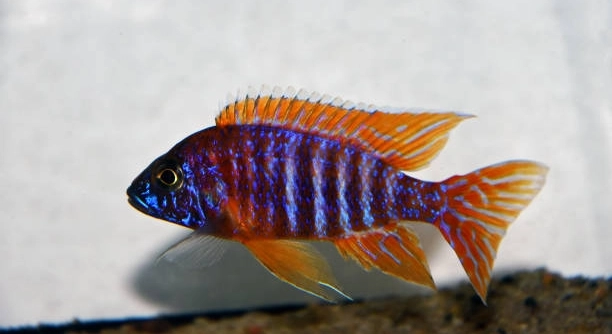
Owning African cichlids can be a rewarding experience for many fish enthusiasts. These colorful fish have unique behaviors that make them interesting pets. Building a bond with them can improve both their well-being and your enjoyment.
Bonding with African cichlids involves understanding their natural behavior, maintaining a healthy environment, and consistent interaction. Providing proper care, recognizing their personalities, and engaging with them regularly strengthens trust and creates a meaningful connection.
Learning effective ways to bond with your cichlid enhances your aquarium experience. This article will guide you through practical steps to foster a closer relationship with your fish.
Create a Comfortable Environment
African cichlids thrive in an environment that mimics their natural habitat. They need plenty of rocks, caves, and hiding spots to feel secure. These fish are territorial and can be stressed by overcrowding, so make sure your tank size is appropriate. Proper water conditions are also essential. Keep the temperature between 75-82°F and maintain a pH level of 7.8 to 8.6. Regular water changes help keep the tank clean and reduce harmful toxins. When the fish feel safe and comfortable, they show more natural behavior, which makes bonding easier. Observing your cichlids in a well-maintained tank allows you to understand their habits better and respond to their needs promptly.
A well-set environment reduces stress and encourages your cichlid to interact more with its surroundings and with you over time.
Adjusting the tank to meet your fish’s needs is the first step in building trust. When they have places to hide and proper water quality, they become more relaxed and curious. This calmness is key to forming a connection and observing their unique behaviors clearly.
Consistent Feeding Routine
Keeping a steady feeding schedule helps your African cichlid recognize you as a source of food and care. Feeding them at the same times daily creates a routine they can depend on. Use high-quality cichlid pellets or flakes, supplemented with occasional treats like bloodworms or brine shrimp. Avoid overfeeding, as excess food can dirty the tank and harm your fish’s health. When you feed by hand or place food near the tank glass, your fish may start associating you with positive experiences. This simple act builds familiarity and trust. Watching your cichlids eagerly come to the surface during feeding can feel rewarding and is a sign that they are comfortable around you.
Spend Time Observing Your Cichlid
Spending quiet moments watching your cichlid helps you learn its behavior and personality. Observation builds understanding and strengthens your connection without stressing the fish.
Through careful observation, you begin to notice patterns such as feeding habits, favorite spots, and social behavior. These details let you anticipate their needs and respond better. When you see how your cichlid reacts to changes in the environment or your presence, you can adjust your care routine. This attention makes your fish feel safer and more secure in its surroundings.
Over time, observing your cichlid closely helps you identify signs of stress or illness early. You learn to distinguish between normal and unusual behavior, which is key to keeping your fish healthy. This ongoing attention shows respect for your pet’s well-being and deepens the bond between you.
Use Gentle Movements
Sudden movements can startle African cichlids, causing them to hide or become aggressive. Moving slowly and calmly near the tank encourages trust and curiosity. Repeated calm behavior helps your fish accept your presence as non-threatening.
Gentle movements around the tank allow your cichlid to become familiar with your actions and associate you with safety. Avoid tapping on the glass or loud noises that might frighten them. When you approach the tank slowly, your fish can watch you and even come closer. This gradual acceptance leads to more interaction and a stronger connection. Your patient approach shows respect for their natural instincts and helps build comfort over time.
Offer Enrichment Activities
African cichlids enjoy exploring and interacting with their environment. Adding new decorations or rearranging rocks keeps them curious and active.
Providing stimulation helps reduce boredom and aggression. Enrichment supports their mental health and encourages natural behaviors like digging and hiding.
Use a Mirror Occasionally
Showing your cichlid its reflection for a short time can stimulate activity. The mirror simulates the presence of another fish, encouraging display behavior.
However, limit mirror time to avoid stress. This tool helps your fish stay engaged but should be used carefully to maintain well-being.
Speak Softly Near the Tank
Speaking quietly near your cichlid’s tank helps them get used to your voice. Over time, they may respond by swimming closer or becoming more active.
Soft sounds create a calm environment that encourages interaction without frightening the fish. Consistency is important to build recognition and comfort.
FAQ
How long does it take to bond with an African cichlid?
Bonding time varies by fish personality and care quality. Some cichlids may show trust within weeks, while others take months. Patience and consistent interaction are key. Creating a stable environment and feeding on a routine help speed up the process. Avoid sudden changes or stressful situations to keep progress steady.
Can I touch my African cichlid to bond with it?
Generally, touching cichlids is not recommended. They are sensitive and can become stressed by physical contact. Instead, focus on gentle interaction through feeding, observation, and calm movements. If your fish becomes accustomed to your presence, it may swim closer but avoid forcing contact.
What is the best food to feed African cichlids?
High-quality cichlid pellets or flakes made specifically for African cichlids are best. These foods meet their nutritional needs. Supplement their diet with occasional treats like frozen or live bloodworms, brine shrimp, or vegetable matter. Avoid overfeeding to maintain water quality and fish health.
How often should I feed my cichlid?
Feeding twice a day in small amounts is ideal. Give only what the fish can eat within a few minutes to prevent leftover food from polluting the tank. Maintaining a consistent feeding schedule helps build trust and supports their health.
Can African cichlids recognize their owners?
While they may not recognize faces, cichlids learn to associate owners with food and care. They can remember feeding times and respond to your presence near the tank. Over time, this recognition strengthens the bond between fish and owner.
Is it normal for African cichlids to be aggressive?
Yes, African cichlids are naturally territorial and may show aggression. This behavior depends on tank size, number of fish, and environment setup. Providing enough hiding places and space helps reduce conflicts. Careful selection of tank mates can also limit aggression.
How do I know if my cichlid is stressed?
Signs of stress include hiding constantly, loss of appetite, color fading, and erratic swimming. Poor water conditions or aggressive tank mates often cause stress. Regular water tests and a calm environment help keep your cichlid comfortable and healthy.
Can I bond with more than one cichlid at a time?
Bonding with multiple cichlids is possible but requires careful tank management. Each fish has its own personality and comfort level. Providing enough space and hiding spots for all reduces stress and encourages positive interactions with you.
What role does water quality play in bonding?
Good water quality is essential. Clean, stable water conditions keep your cichlid healthy and more willing to interact. Poor water quality causes stress and illness, making bonding difficult. Regular testing and maintenance support a positive relationship with your fish.
How important is tank setup for bonding?
Tank setup is critical. A well-decorated tank with rocks, caves, and plants creates a safe environment. This setup reduces stress and encourages natural behaviors. A comfortable fish is more likely to respond positively to your presence and interaction.
Final Thoughts
Building a bond with your African cichlid takes time and patience. These fish have unique personalities and need a calm, stable environment to feel secure. When you provide clean water, proper food, and plenty of hiding places, your cichlid is more likely to show natural behaviors and become comfortable around you. Consistency is very important. Feeding at the same times each day and approaching the tank calmly helps your fish learn to trust you. Bonding is a gradual process, and small daily actions can lead to a stronger connection over time.
Watching your cichlid closely can teach you a lot about its needs and habits. Observing without disturbing allows you to see when it feels safe or stressed. You will notice patterns in behavior that help you respond better. This understanding is key to a good relationship. Offering enrichment, such as rearranging decorations or using a mirror for short periods, keeps your cichlid active and curious. These activities prevent boredom and encourage your fish to explore its environment, which improves overall health and interaction. Speaking softly near the tank and moving gently also help your fish become more comfortable with your presence.
Overall, bonding with an African cichlid is about respect and care. These fish may not show affection like other pets, but they respond well to good treatment and attention. By creating the right environment and interacting patiently, you can enjoy watching your cichlid grow and thrive. The connection you build will make caring for your fish more rewarding. Keep in mind that every cichlid is different, so adapting your approach based on your fish’s behavior will help you succeed. With time and effort, your African cichlid can become a fascinating and interactive part of your home.

Hello,
If you enjoy the content that we create, please consider saying a "Thank You!" by leaving a tip.
Every little bit helps us continue crafting quality advice that supports the health, happiness, and well-being of pets around the world, for pets of all shapes, sizes, and species.
We really appreciate the kindness and support that you show us!