
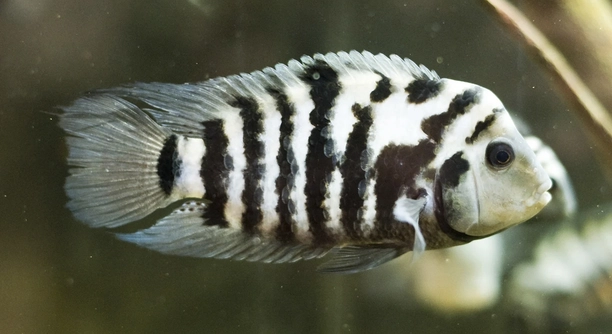
Do you ever find yourself worried that your African cichlid might not be as happy or active as it used to be?
African cichlids can feel lonely when they lack proper social interaction or environmental stimulation. Signs may include hiding, loss of color, reduced appetite, or aggressive behavior. Addressing loneliness involves environmental changes and compatible tank mates.
Understanding these signs and knowing what steps to take can help your cichlid thrive in a more balanced and engaging environment.
7 Signs Your African Cichlid Feels Lonely
Loneliness in African cichlids can show up in small but noticeable ways. These fish are intelligent and social, so changes in behavior often mean something is off. You might see them hiding more than usual or becoming aggressive with tank mates. Some may stop eating or lose their vibrant colors. Others will swim in unusual patterns or stay in one corner of the tank for long periods. If your fish starts to act differently without any visible signs of illness, loneliness could be the cause. Environmental factors, like a dull tank setup or lack of interaction, can also affect their mood. A fish that used to be lively and alert may now appear withdrawn and less active. Cichlids need mental stimulation and social connections to stay healthy. These signs should not be ignored, especially if they appear together. Early action can help improve your fish’s mood and overall well-being.
A lonely cichlid may also flare its fins or chase its reflection, mistaking it for another fish.
Not all African cichlids want the same kind of tank mates. Some prefer groups, while others do better in pairs. Watch how your fish reacts to others in the tank. Understanding their social needs will help you create a better setup.
What to Do If Your African Cichlid Is Lonely
Start by improving the tank environment. Add caves, plants, or rocks to give your cichlid more places to explore. A dull tank can affect how your fish feels. Rearranging the decor every few weeks also helps stimulate natural curiosity and reduces boredom.
Before adding new fish, make sure the tank size is appropriate. Overstocking can cause stress instead of solving the problem. African cichlids are territorial, so choose tank mates that are similar in size and temperament. Introduce them slowly and monitor their behavior closely. Some cichlids may need more personal space, while others enjoy being part of a group. Try to match their social needs with the right type of companions. You can also try feeding them in smaller portions several times a day to encourage interaction. Keep water conditions stable, as poor water quality can worsen mood and behavior. If nothing changes, consult a vet or aquarium specialist to rule out health problems. A few changes in their environment and care can often make a big difference.
How Tank Setup Affects Your Cichlid’s Mood
A plain tank can lead to stress and boredom. Cichlids need rocks, caves, and plants to feel secure. Without enough hiding spots or territory, they may become aggressive or withdrawn, showing signs of loneliness over time.
A well-designed tank setup plays a big role in your cichlid’s mental health. African cichlids are used to rocky, structured environments, so smooth gravel and open water aren’t enough. They like to explore, hide, and claim space. Without these elements, your fish might lose interest in its surroundings. Adding caves, driftwood, and even background layers gives them a more natural space to live in. Rearranging decorations every couple of weeks can also keep them mentally engaged. This helps mimic the ever-changing wild environment they come from. A stimulating tank doesn’t just reduce boredom—it also lowers aggression and boosts activity. Start with a few large rocks and build from there.
Lighting and substrate also matter. Bright lights for too many hours a day can stress your cichlid, especially if it doesn’t have dark spaces to retreat into. A dark or neutral-colored substrate helps your fish feel more secure and brings out its natural colors. Balance is key. Avoid over-decorating, as cluttered tanks can limit swimming space. Create a mix of open areas and hiding spots so your cichlid feels safe but still has room to move around freely. Regular maintenance, like water changes and filter checks, will also help keep the tank clean and your fish feeling comfortable in its home.
Choosing the Right Tank Mates
African cichlids are territorial and not all fish will get along with them. Picking tank mates that are too passive or too aggressive can create problems. Stick with species that share similar behavior and water needs.
Tank mates should be chosen based on the temperament and species of your cichlid. Mbuna cichlids, for example, do best with others from the same group. Mixing them with peacocks or haps can lead to constant chasing and stress. It’s also important to keep fish that are roughly the same size. Smaller fish may get bullied, while larger ones might become targets. Introduce new fish carefully—rearranging the tank before adding new ones can help prevent territory disputes. If your cichlid becomes more active and colorful after the introduction, that’s a good sign. However, any constant chasing or hiding means the match may not be working. Always watch closely after making changes.
How Feeding Habits Can Reflect Loneliness
A lonely cichlid may lose interest in food or only eat when no one is around. This change in eating habits can signal stress or a lack of stimulation in their environment.
Watch for changes in appetite, especially if your fish was once an eager eater. Skipping meals can be a sign something’s wrong.
Why Enrichment Matters for Mental Health
Mental stimulation is just as important as physical health for cichlids. Bored fish can become lethargic, aggressive, or anxious. Simple changes like moving tank decor or introducing feeding puzzles can keep them alert. Try using different food types or floating treats to make mealtime more engaging. Even adding bubbles or adjusting water flow can make a difference in their daily activity. These small changes keep their minds busy and can reduce signs of loneliness. Without regular stimulation, your fish may become dull in color or inactive. Enrichment encourages natural behaviors like digging, chasing, and exploring, which help your cichlid stay balanced and healthy overall.
When to Consider Professional Help
If you’ve made changes and your cichlid still acts lonely or stressed, it may be time to talk to an aquarium specialist or vet.
How can I tell if my African cichlid is lonely or sick?
Loneliness and sickness sometimes look similar in cichlids. If your fish is hiding, losing color, or refusing food, it could be either. Check water quality and tank conditions first. If those are good but the fish still acts withdrawn or aggressive, loneliness might be the cause. However, illness usually comes with physical signs like spots, swelling, or abnormal swimming. Monitor your fish closely and consider a vet visit if physical symptoms appear.
Is it okay to keep a single African cichlid alone?
Many African cichlids are social and do better with tank mates. Some species, like Mbuna, especially need groups to feel secure. However, some cichlids can live alone if the tank is large and stimulating. A lonely cichlid often shows boredom or aggression. If keeping one alone, ensure the tank has plenty of hiding spots and enrichment to keep them active and reduce stress.
What are good tank mates for African cichlids?
Choose tank mates that match your cichlid’s size, temperament, and water needs. Other African cichlids from the same lake or species group usually work well together. Avoid small, passive fish that could be bullied or eaten. Peaceful fish might also get stressed by territorial cichlids. Keep an eye on interactions and separate fish if aggression becomes too much.
How often should I change the tank setup to prevent loneliness?
You don’t need to rearrange the tank every day, but changing it every few weeks helps. Moving rocks, plants, or decorations encourages your cichlid to explore and reduces boredom. Just don’t do too much at once—it can stress your fish. Small, gradual changes are better. Adding new hiding places or hiding food in different spots can also keep things interesting.
Can loneliness cause health problems in African cichlids?
Yes, loneliness can lead to stress, which weakens the immune system and makes fish more prone to illness. A stressed cichlid may lose appetite, develop faded colors, or become more aggressive. Stress can also make them more vulnerable to common diseases like ich or fin rot. Keeping your fish mentally and socially stimulated helps prevent these issues.
What foods help keep African cichlids happy and healthy?
A varied diet is best. Offer high-quality pellets or flakes made for cichlids, plus occasional treats like brine shrimp or bloodworms. Some species enjoy vegetable matter like spirulina or blanched peas. Changing up their food encourages natural foraging and keeps meals interesting. Feeding smaller amounts several times a day can also improve activity levels and reduce boredom.
How important is water quality for a cichlid’s mental health?
Water quality is crucial. Poor water conditions cause stress and can worsen feelings of loneliness or anxiety. Regular water changes, proper filtration, and testing for ammonia, nitrites, and nitrates help keep the environment healthy. Stable temperature and pH levels also support your cichlid’s well-being. Clean water encourages active behavior and good appetite, which are signs of a happy fish.
Should I consider adding plants to the tank?
Yes, plants provide hiding spots and help mimic a natural habitat. They reduce stress by giving your cichlid places to retreat. Some cichlids may uproot or nibble on plants, so choose sturdy species like Java fern or Anubias. Live plants also improve water quality by absorbing nitrates. Even fake plants can add structure, but live ones give extra benefits.
What if my cichlid still seems lonely after adding tank mates?
Not all fish get along, and some cichlids need more space or different companions. If aggression or hiding continues, you may need to separate fish or try different tank mates. Sometimes a larger tank helps reduce territorial behavior. Also, review enrichment and feeding routines to keep your fish engaged. If problems persist, consulting an expert can provide tailored advice.
Can changing lighting help with loneliness?
Lighting affects behavior. Too bright or constant light can stress cichlids, especially if they have no dark areas to rest. Use a lighting schedule that mimics natural day and night cycles. Providing shaded spots or floating plants can help fish feel secure. Adjusting light intensity or duration can reduce stress and support a balanced mood.
African cichlids are fascinating fish that need more than just clean water and food to stay healthy. Like many animals, they require social interaction and a stimulating environment to feel comfortable and happy. Loneliness can cause changes in their behavior, such as hiding, losing color, or acting aggressive. Recognizing these signs early on can help prevent bigger problems. If your cichlid seems less active or withdrawn, it is important to look at its environment and social situation. Making adjustments, like adding tank mates or rearranging decorations, can improve their mood and health.
Creating a good tank environment for your African cichlid is essential. They need places to hide and explore, which helps reduce stress and encourages natural behaviors. A tank with rocks, caves, and plants feels more like their natural habitat and keeps them interested. Changing the layout now and then also adds variety to their surroundings, which is important for their mental health. Additionally, paying attention to water quality and feeding habits supports their overall well-being. A varied diet and stable tank conditions make your fish more active and less prone to illness.
If you notice that your cichlid continues to show signs of loneliness or stress despite your efforts, it is worth consulting an aquarium expert or vet. Sometimes health problems can look like loneliness, so a professional opinion helps rule out illness. Remember that each fish has its own personality and needs, so what works for one might not work for another. Being patient and observant will help you create the best possible home for your African cichlid. With the right care and attention, your fish can live a happier, healthier life in its aquarium.

Hello,
If you enjoy the content that we create, please consider saying a "Thank You!" by leaving a tip.
Every little bit helps us continue crafting quality advice that supports the health, happiness, and well-being of pets around the world, for pets of all shapes, sizes, and species.
We really appreciate the kindness and support that you show us!