
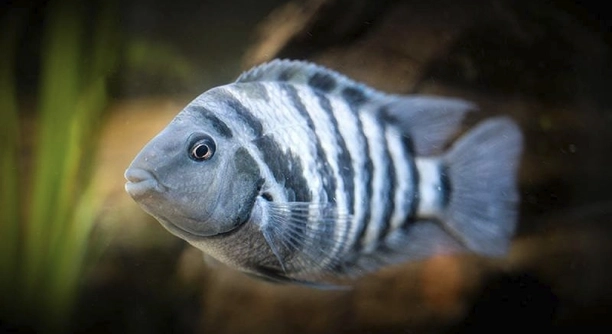
Have you ever watched your cichlids swim around and noticed they seem to act differently when you’re nearby? Their colors may brighten, or their movements may become more active, almost like they’re trying to get your attention.
Cichlids are known to display more vivid colors and increased activity when observed, which is believed to be a form of social or territorial behavior. Studies suggest this reaction is influenced by their high awareness of their surroundings and visual stimulation.
Learning what motivates this behavior can help you better understand your fish’s needs and strengthen your interaction with them.
Why Cichlids React When Watched
Cichlids are highly responsive to their environment, especially to movement and visual presence outside their tank. When a person approaches, they often increase their swimming activity, display brighter coloration, or even flare their fins. These actions may appear like they’re trying to show off. In reality, this behavior is tied to instincts—either for defending territory, attracting a mate, or anticipating feeding. Their advanced eyesight allows them to recognize changes in their surroundings quickly, and their social nature means they learn to associate human presence with specific outcomes. Over time, cichlids can even recognize individual people and react differently depending on past interactions. These responses may seem playful or intentional, but they’re deeply rooted in the fish’s natural behavioral patterns. Observers often interpret these moments as interactive, making cichlids appear more engaged than many other aquarium species.
This doesn’t mean cichlids are showing off in a human sense, but their behavior is clearly reactive and intentional.
Understanding their body language and responses can make feeding, cleaning, and interacting with your cichlids feel more engaging and less mechanical.
What Influences This Behavior
Tank placement, feeding routines, and lighting can all influence how reactive cichlids are to people watching them.
Cichlids are intelligent and learn patterns quickly. When your daily routine involves feeding or maintaining the tank at certain times, they begin to associate your presence with specific actions. Over time, they may anticipate these activities and react more strongly to your approach. This response is even more noticeable when they are kept in tanks located in high-traffic areas, where they regularly see people. Bright lighting enhances their visibility and can make their colors appear more intense, contributing to what looks like showing off. Social species of cichlids are especially likely to exhibit these behaviors since they naturally respond to movement and visual cues. Factors like tank mates, aggression levels, and even water conditions can also influence how often and how intensely these behaviors occur. Cichlids are always adjusting to their surroundings, and their interaction with humans becomes part of their daily routine.
Recognizing Common Display Behaviors
Cichlids often swim in rapid circles, flare their gills, or flash their sides against the tank glass. These are normal reactions that can seem exaggerated when someone is nearby. They are usually triggered by excitement, stimulation, or environmental changes.
Flashing is one of the most noticeable behaviors. It involves the fish rubbing its body against objects or the glass. While sometimes related to parasites, it can also happen when the fish is excited or agitated. Flaring is another common display, especially in territorial or dominant cichlids. This action involves spreading fins wide to appear larger and more intimidating. During feeding time or when recognizing their owner, some cichlids may swim toward the glass quickly or follow your movement. These signs show their awareness and ability to associate specific people with food or interaction. Each behavior reflects a different need or instinct rooted in their natural environment.
Brighter coloration can also signal attention-seeking or dominance. When a cichlid senses a person watching, the increase in visual cues can trigger hormonal changes that enhance their pigmentation. Some males in breeding condition may show off their most vibrant colors when people approach, as if reinforcing their presence in the tank. These moments can feel like performances, but they’re instinctual.
When Behavior Signals a Problem
Some behaviors that seem playful or routine can actually point to stress. If your cichlid is constantly darting, hiding more often, or refusing food, it may be reacting to something in the environment that needs adjusting.
Stress behaviors can be caused by water quality issues, bullying from tank mates, or inconsistent lighting. If your cichlid is acting out more than usual, even when not being observed, it’s a good idea to test the water parameters and check for signs of illness or aggression in the tank. Constant pacing or aggressive flaring without a clear reason can also be a sign that the fish feels exposed or threatened. While attention-seeking behaviors are common, anything that becomes repetitive or extreme might need closer monitoring. A healthy cichlid will interact with its surroundings but won’t appear panicked or overly agitated. Observing your fish closely and keeping track of any changes helps maintain a stable and comfortable environment.
How to Encourage Healthy Displays
Provide a routine feeding schedule and consistent lighting. Cichlids respond well to structure, and regular interaction helps reduce stress. Avoid tapping on the glass or sudden movements, as these can trigger anxiety rather than natural display behavior.
Add hiding spots, plants, and rocks to enrich their environment. A well-decorated tank supports normal behavior and encourages territorial displays without causing conflict.
Interacting Without Stressing Them
Cichlids can recognize you over time and may swim toward you expecting food or engagement. Move slowly and observe their responses without trying to force interaction. Limit sudden gestures or constant watching, which can overwhelm more sensitive fish. Allow space for retreat and comfort during interaction.
When to Seek Expert Help
If display behaviors shift suddenly or your cichlid seems overly reactive, consult an aquatic specialist. This helps rule out illness or environmental issues before symptoms worsen.
FAQ
Why do cichlids change color when watched?
Cichlids often change color as a natural response to stimulation or social cues. When they notice movement outside their tank, hormonal shifts can cause their colors to brighten. This makes them appear more vibrant, which is part of how they communicate or assert dominance.
Is it normal for cichlids to follow people around the tank?
Yes, this is quite common. Cichlids are intelligent and learn to associate humans with feeding times. Following movement outside the tank is a sign they recognize you and expect interaction, especially food. It’s a sign of their awareness, not just random behavior.
Can watching cichlids too much stress them?
Constant watching or tapping on the tank can cause stress. Cichlids need a calm environment and space to feel safe. Sudden or repetitive disturbances may lead to anxiety, hiding, or aggressive behavior. It’s best to observe quietly and avoid over-stimulation.
Do cichlids show off more during breeding?
Yes, breeding males especially display brighter colors and more pronounced behaviors to attract mates and defend territory. These displays are natural and important for reproduction, so increased activity and vivid colors during this time are expected.
What does flaring fins mean?
Flaring is a common display used to appear larger and warn rivals. It can indicate territorial defense, dominance, or sometimes excitement. While normal in social interaction, frequent or aggressive flaring might mean the fish feels threatened.
How can I tell if my cichlid is stressed instead of showing off?
Stress signs include constant hiding, rapid darting, loss of appetite, and dull coloration. Displaying behaviors like flaring can overlap with stress signals, so look for other signs like erratic swimming or damage to fins. Regular water testing and proper tank conditions help prevent stress.
Should I interact with cichlids regularly?
Regular, calm interaction can be beneficial. It helps cichlids become accustomed to your presence and can reduce fear. Feeding at consistent times and gentle observation make them more confident and responsive without causing stress.
Can cichlids recognize individual people?
Research suggests cichlids can differentiate between familiar and unfamiliar humans, reacting differently based on past interactions. They often respond more positively to people who feed or care for them regularly.
What environmental factors affect cichlid displays?
Lighting, tank layout, water quality, and tank mates all influence behavior. Bright lighting enhances coloration, while a well-structured tank with hiding spots supports natural displays without constant aggression. Poor water quality or overcrowding can increase stress and reduce healthy display behavior.
Are there risks to encouraging display behavior?
Encouraging natural displays is generally positive, but pushing cichlids too much can cause stress or aggression. Balance is key—observe without provoking and ensure the environment meets all their needs to keep displays healthy and normal.
How can I help a shy cichlid become more active?
Provide hiding spots for safety, feed regularly, and interact calmly to build trust. Over time, shy cichlids often become more comfortable and display natural behaviors when they feel secure.
What should I do if my cichlid shows sudden aggressive displays?
Check tank conditions first. Sudden aggression can indicate stress from water issues, tank mate problems, or illness. Isolate the fish if necessary and consult an expert to prevent harm and restore balance.
Do cichlids show off more when new to a tank?
Yes, new environments can make cichlids more active or colorful as they explore and establish territory. This initial display helps them adjust and communicate with other fish. It usually settles as they become familiar with their space.
Can feeding routines influence display behavior?
Feeding routines strongly influence cichlid behavior. Predictable feeding times encourage them to approach the tank and show more activity when they see you. Irregular feeding can cause anxiety or decreased interaction.
Is it possible to train cichlids to respond to your presence?
While not training in the traditional sense, cichlids can learn to associate you with food and react accordingly. Consistent routines and gentle interaction strengthen this recognition and encourage natural display behaviors.
Cichlids are fascinating fish that often react visibly when someone is watching them. Their behavior, such as showing brighter colors, flaring fins, or swimming actively, is part of how they interact with their environment. These actions are usually linked to instincts like defending territory, attracting mates, or responding to expected feeding. Understanding these natural reactions helps us appreciate their intelligence and social nature. Watching cichlids can feel like they are putting on a show, but it is important to remember these behaviors are rooted in their survival and communication needs.
It is also important to consider how our presence and actions affect cichlids. While they may appear to enjoy attention, too much disturbance or sudden movements can cause stress. Maintaining a calm environment with regular feeding times and gentle observation supports their well-being. Tank setup, lighting, and water quality all play roles in how cichlids display themselves. When they feel safe and comfortable, their natural behaviors come through more clearly, which can make caring for them more rewarding. Paying attention to signs of stress or aggression can help address problems early and keep the fish healthy.
Overall, recognizing the reasons behind cichlid behavior allows for better care and a more enjoyable experience as an owner. These fish are responsive to their surroundings and to people, and this interaction can be fulfilling when managed properly. Providing a stable environment, consistent routines, and respectful observation encourages cichlids to display natural behaviors without unnecessary stress. Their subtle and not-so-subtle reactions to being watched offer insight into their world, helping build a closer connection between fish and owner.

Hello,
If you enjoy the content that we create, please consider saying a "Thank You!" by leaving a tip.
Every little bit helps us continue crafting quality advice that supports the health, happiness, and well-being of pets around the world, for pets of all shapes, sizes, and species.
We really appreciate the kindness and support that you show us!