
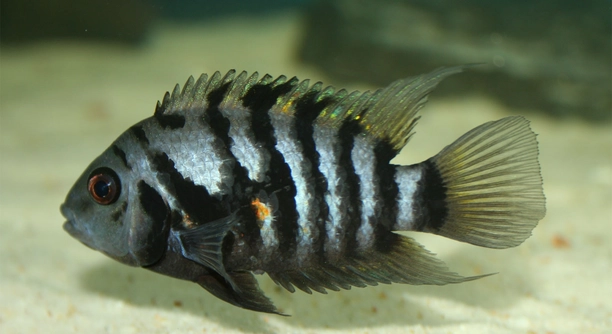
African cichlids are colorful fish that many aquarium lovers enjoy. These fish are often kept indoors, but some wonder about keeping them outside. Outdoor ponds might seem like a good home for these lively creatures.
African cichlids can live in outdoor ponds, but success depends on climate, water conditions, and proper care. They require stable temperatures, clean water, and shelter to thrive outside, especially in temperate regions where winters can be harsh.
Learning the right setup and care tips will help ensure your cichlids stay healthy and vibrant in an outdoor pond environment.
Temperature Needs of African Cichlids in Outdoor Ponds
African cichlids come from warm freshwater lakes, so they need steady, warm temperatures to stay healthy. In outdoor ponds, temperature control can be challenging, especially in areas with cold winters or drastic temperature changes. These fish generally prefer water temperatures between 75°F and 82°F (24°C to 28°C). If the temperature drops too low, cichlids can become stressed or even die. To keep them safe, you might need a pond heater or to bring the fish indoors during cold months. In warmer climates, natural pond temperatures may stay within a safe range year-round. It’s important to monitor the water temperature regularly and take action when it shifts outside their comfort zone. Shade can help prevent overheating in summer. By managing temperature carefully, you can create a stable environment where African cichlids can thrive outside.
Temperature is one of the most critical factors when keeping cichlids outdoors. Without consistent warmth, their health will decline quickly.
With the right temperature management, outdoor ponds can mimic the natural conditions of African lakes. This helps maintain your cichlids’ activity, feeding habits, and overall well-being. Small heaters or insulated covers can make a big difference during colder months. Proper temperature control also reduces the risk of diseases caused by stress. Regular checks help you catch temperature swings early. By understanding these needs, you create a safe and comfortable habitat for your fish, even outside. This care allows you to enjoy their vibrant colors and behavior all year long.
Water Quality and Filtration
Maintaining good water quality is essential for African cichlids in outdoor ponds. Dirty or poorly filtered water can cause stress and illness.
A strong filtration system helps keep the water clean by removing waste and toxins. Outdoor ponds can collect debris like leaves and dirt, so it’s important to clean filters regularly. Frequent water testing for pH, ammonia, and nitrate levels ensures the environment stays healthy. African cichlids prefer slightly alkaline water with a pH between 7.5 and 8.5. Keeping these conditions stable supports their natural behavior and vibrant colors.
Proper filtration also helps maintain oxygen levels, which can drop in stagnant water. Aeration through pumps or waterfalls is useful to keep oxygen high. Without proper filtration and aeration, the pond water can become harmful quickly. Consistent maintenance makes a big difference in preventing common health problems for your fish.
Shelter and Hiding Places
African cichlids need places to hide and explore. Rocks, plants, and caves offer security and reduce stress.
Providing plenty of shelter helps mimic their natural habitat, where they live among rocks and crevices. This allows them to establish territories and feel safe from potential threats. Without hiding spots, cichlids may become aggressive or anxious. Use stable rocks or ceramic decorations to create caves and tunnels. Floating plants can offer shade and cover from predators like birds. Creating these natural hiding spots not only protects your fish but encourages natural behaviors, making your pond more lively and interesting.
Feeding African Cichlids in Outdoor Ponds
African cichlids need a balanced diet to stay healthy. Outdoor ponds may not provide enough natural food, so supplementation is important.
Feeding high-quality pellets or flakes designed for cichlids ensures they get proper nutrition. Occasional treats like frozen or live foods can also be added for variety and enrichment.
Predator Protection
Outdoor ponds attract predators like birds, raccoons, or cats. Protecting your cichlids is essential to prevent losses.
Using pond netting or covers can keep predators away. Adding dense plants or floating vegetation also offers extra protection and hiding spots for the fish.
Regular Pond Maintenance
Regular cleaning and water changes help maintain a healthy environment for cichlids. Removing debris and testing water parameters prevents disease.
Frequent maintenance keeps the pond stable, promoting long-term health and vibrant fish.
FAQ
Can African cichlids survive cold winters in outdoor ponds?
African cichlids are tropical fish and do not tolerate cold water well. If your area experiences freezing temperatures, it’s best to bring them indoors during winter. Without proper heating, cold water can stress or kill them. In warmer climates, where temperatures stay above 65°F (18°C), they can survive year-round outside.
What type of water should I use for my outdoor pond?
Use dechlorinated water or natural rainwater if possible. African cichlids prefer slightly alkaline water with a pH between 7.5 and 8.5. Tap water often contains chlorine or chloramines, which are harmful, so treat it before adding it to your pond. Regular water testing helps maintain the right balance.
How often should I clean the pond?
Cleaning frequency depends on pond size and filtration quality. Generally, partial water changes of 10–20% weekly or biweekly keep water fresh. Remove debris like leaves and uneaten food regularly. Clean filters monthly or as recommended by the manufacturer to maintain efficiency.
Are African cichlids aggressive in outdoor ponds?
Cichlids can show territorial behavior, especially males. Providing plenty of hiding places and space helps reduce aggression. Avoid overcrowding and mix compatible species to promote harmony. Outdoor ponds with ample space tend to lessen fights compared to small indoor tanks.
Can I mix African cichlids with other fish in my pond?
It’s possible but choose tank mates carefully. Other aggressive or large fish may cause problems. Peaceful species that thrive in similar water conditions, like certain catfish or larger tetras, can work. Avoid small or slow-moving fish that may become targets.
What should I do if my fish get sick?
Isolate sick fish in a quarantine tank if possible. Test water quality immediately to check for issues. Common illnesses in outdoor ponds include fungal infections and parasites. Use medications as directed, but always remove activated carbon from filters during treatment.
How can I tell if my pond temperature is right?
Use a reliable aquarium thermometer to monitor daily. Temperatures between 75°F and 82°F (24°C to 28°C) are ideal. Watch fish behavior—if they become sluggish or hide often, temperature could be too low or high. Adjust heaters or provide shade accordingly.
Do African cichlids need plants in the pond?
Plants are not required but highly recommended. They improve water quality by absorbing nutrients and provide hiding spots, which reduce stress and aggression. Choose hardy plants that can survive pond conditions and won’t be uprooted by fish digging.
Can I feed my cichlids outdoor natural foods?
Yes, they may eat insects or algae in the pond. However, natural food alone usually isn’t enough. Supplement with commercial pellets or flakes to meet their nutritional needs. This keeps them healthy and supports their vibrant colors.
How big should my pond be for African cichlids?
A minimum of 100 gallons is recommended for a small group. Larger ponds give fish space to swim and establish territories. Depth should be at least 2 feet to maintain stable temperatures and allow fish to hide.
Is it safe to leave the pond uncovered?
Leaving a pond uncovered increases risks from predators and debris. Covering with netting or using floating plants can protect fish and help maintain water quality. Open ponds also risk temperature fluctuations, so some cover is usually better.
African cichlids can live happily in outdoor ponds when the right conditions are met. Their natural habitat is warm, stable water with plenty of hiding places. If you provide a pond with clean water, proper temperature control, and safe shelter, these fish will thrive outside. It is important to remember that African cichlids are tropical fish and need warmth, so ponds in colder climates require extra care. Bringing the fish indoors during cold months or using heaters can help protect them. In warmer areas, outdoor ponds can offer a suitable home year-round.
Maintaining good water quality is essential for keeping African cichlids healthy. Outdoor ponds can gather debris and waste quickly, so a strong filtration system is important. Regular water testing will help you spot problems early. Also, providing a diet designed for cichlids ensures they get the nutrients they need to stay colorful and active. It’s easy to overlook how much care a pond requires compared to a typical aquarium, but the effort is worth it. When you keep up with cleaning and maintenance, your fish will live longer and look better.
Finally, creating a safe environment with hiding spots helps reduce stress and aggression among cichlids. Rocks, plants, and decorations offer places for them to explore and feel secure. Outdoor ponds expose fish to predators, so protective measures like netting or floating plants are important. With attention to these details, African cichlids can make an attractive and lively addition to your pond. Their bright colors and interesting behavior can bring joy and beauty to your outdoor space for years to come.

Hello,
If you enjoy the content that we create, please consider saying a "Thank You!" by leaving a tip.
Every little bit helps us continue crafting quality advice that supports the health, happiness, and well-being of pets around the world, for pets of all shapes, sizes, and species.
We really appreciate the kindness and support that you show us!