
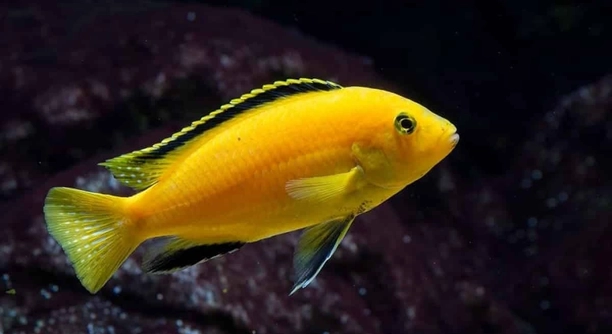
Cichlids are popular aquarium fish known for their vibrant colors and active behavior. Many owners enjoy watching them grow and thrive in home tanks. However, their size can increase beyond initial expectations over time.
When cichlids outgrow their tanks, they experience stress due to limited space, which affects their health and behavior. Overcrowding leads to poor water quality, aggression, and stunted growth, ultimately compromising their wellbeing and lifespan.
Proper tank size and maintenance are essential for cichlid care. Understanding the consequences of overcrowding helps maintain a healthy environment for these striking fish.
Signs That Your Cichlid Has Outgrown Its Tank
When cichlids outgrow their tanks, you may notice changes in their behavior and appearance. They might become more aggressive or territorial, often fighting with other fish. Swimming space becomes limited, leading to lethargy or stress. Their colors may fade, and they might stop eating properly. Water quality can decline faster due to the increased waste produced by larger fish. These signs indicate the tank is no longer suitable. It is important to watch for frequent signs of distress or illness, such as fin damage or unusual hiding. Observing these symptoms early helps prevent severe health problems. Upgrading the tank or relocating the fish can restore a healthier environment.
A tank too small for growing cichlids compromises their physical and mental wellbeing. It is essential to provide adequate space as they mature to support their natural behaviors.
Adjusting the tank size prevents aggression and improves water conditions, ensuring your cichlids remain healthy and vibrant.
How to Manage Tank Size for Growing Cichlids
Providing enough room for cichlids is critical for their development and health. As they grow, the tank must offer enough swimming space to prevent stress and aggression. Filtration and regular water changes become more important with larger fish to maintain water quality. It’s advisable to upgrade the tank size before overcrowding begins to avoid problems. A tank of at least 55 gallons is recommended for most adult cichlids, but some species may need even larger tanks. Monitoring water parameters like ammonia and nitrate levels helps keep the environment safe. Rearranging tank decorations can create new territories and reduce fights when space is limited. Planning for growth in advance makes caring for cichlids easier and supports their longevity.
Choosing the right tank and maintenance routine will ensure your fish live comfortably. Growing cichlids need space to thrive and remain active. Keeping them in cramped conditions risks health issues that can be avoided with proper tank management.
Preventing Health Issues from Overcrowding
Overcrowded tanks increase the risk of disease and stress for cichlids. Maintaining space and water quality is essential to prevent health problems.
Poor water quality due to overcrowding leads to high ammonia and nitrate levels, which can cause fin rot, infections, and weakened immune systems in cichlids. Stress from limited space also makes fish more vulnerable to illness. Aggression increases, causing injuries that invite bacterial infections. Proper filtration and frequent water changes help control waste buildup, reducing toxic substances. Keeping tankmates compatible and providing hiding spots lowers aggression. Addressing these factors early helps maintain strong, healthy fish and avoids costly treatments.
By controlling population density and monitoring water quality, many common health problems can be prevented. These actions promote a stable environment where cichlids can grow and thrive without unnecessary risk.
When to Upgrade Your Tank
Tank upgrades are necessary once cichlids show signs of restricted movement or increased aggression. Waiting too long worsens their condition.
An appropriately sized tank gives cichlids room to swim freely and establish territories, reducing stress and conflict. Upgrading before overcrowding causes health problems is ideal. A larger tank dilutes waste, improving water parameters and reducing the frequency of maintenance. Fish can also grow to their full potential in spacious environments. Consider the adult size of your species when selecting a new tank to avoid frequent changes. A bigger tank supports a balanced ecosystem, helping beneficial bacteria manage toxins. Planning ahead simplifies care and supports your fish’s wellbeing over time.
Timely upgrades ensure your cichlids remain active and healthy, which benefits both their lifespan and your enjoyment.
Signs of Stress in Overcrowded Cichlids
Stress in cichlids can be seen through constant hiding or frantic swimming. Loss of appetite and dull coloration are common signs as well.
Increased aggression and damaged fins also indicate stress caused by overcrowding. Early recognition helps prevent worsening health conditions.
Effects of Poor Water Quality on Cichlids
Poor water quality results from excessive waste and inadequate filtration. This creates harmful ammonia and nitrite levels that damage fish gills and weaken their immune system. Consistent water testing and maintenance are essential to keep cichlids healthy and prevent disease outbreaks caused by toxic environments.
Ideal Tank Sizes for Common Cichlids
Most medium-sized cichlids require at least 55 gallons, while larger species need tanks of 75 gallons or more. Providing enough space is vital to allow natural behavior and reduce territorial disputes.
Maintaining a Balanced Aquarium Ecosystem
Proper filtration and regular water changes help sustain healthy water parameters. A balanced ecosystem supports fish health and reduces stress caused by overcrowding or poor conditions.
What happens if my cichlids outgrow their tank?
When cichlids outgrow their tank, they experience stress due to limited space. This leads to aggressive behavior, poor water quality, and stunted growth. Crowded conditions increase the buildup of harmful waste, which can cause illness and reduce their lifespan. Fish also lose the ability to swim freely, which affects their natural behavior.
How can I tell if my cichlids need a bigger tank?
Signs that your cichlids need a bigger tank include increased aggression, constant hiding, and physical damage like torn fins. You might also notice faded colors or reduced appetite. If you observe that your fish have less space to swim and territories are shrinking, it’s time to consider a larger tank.
What size tank is suitable for adult cichlids?
Most adult cichlids require at least 55 gallons, but larger species may need 75 gallons or more. The tank should provide enough space for swimming, territory establishment, and proper filtration. Taking the adult size of your species into account when choosing a tank helps avoid overcrowding issues later.
Can overcrowding cause diseases in cichlids?
Yes, overcrowding increases stress and weakens the immune system, making cichlids more susceptible to diseases. Poor water quality caused by waste buildup leads to infections like fin rot and bacterial diseases. Maintaining proper filtration and water changes helps reduce these risks.
How often should I change the water in an overcrowded tank?
In an overcrowded tank, water changes should be more frequent, typically 25-30% weekly, or even twice a week if needed. This helps remove toxins and maintain water quality. Testing water parameters regularly guides the exact frequency required.
Can rearranging tank decorations help reduce aggression?
Yes, rearranging decorations can create new hiding spots and territories. This helps reduce aggression by giving fish more space to claim. Changing the layout disrupts established dominance patterns and can lower stress in overcrowded tanks.
Is it okay to keep different cichlid species together in a small tank?
Keeping multiple cichlid species in a small tank often leads to increased aggression and stress. Different species have varying territorial needs. It’s best to keep compatible species together in a tank large enough to accommodate their behaviors and space requirements.
What are the long-term effects of keeping cichlids in a tank that is too small?
Long-term effects include chronic stress, stunted growth, weakened immune systems, and shortened lifespan. Fish may develop behavioral issues like constant aggression or hiding. Poor water conditions from overcrowding cause recurring health problems, making it difficult to maintain a healthy environment.
How do I safely move my cichlids to a larger tank?
To move cichlids safely, acclimate them slowly by matching water temperature and parameters between tanks. Use a container to transfer fish carefully and avoid overcrowding during the move. Set up the new tank with established filtration and stable water conditions to minimize stress.
What filtration system is best for a tank with large cichlids?
A high-capacity canister or sump filter is best for tanks housing large cichlids. These filters provide strong mechanical, biological, and chemical filtration needed to manage waste effectively. Proper filtration maintains water quality and reduces maintenance frequency.
How important is monitoring water parameters in an overcrowded tank?
Monitoring water parameters like ammonia, nitrite, nitrate, and pH is critical in an overcrowded tank. These levels can rise quickly, threatening fish health. Regular testing helps detect issues early, allowing prompt adjustments to filtration or water changes.
Can plants help improve the environment in a crowded cichlid tank?
Live plants can absorb nitrates and provide hiding spots, reducing stress and improving water quality. However, some cichlids may uproot plants, so choose hardy species or secure them well. Plants contribute to a more natural environment, benefiting overall tank health.
Is feeding behavior affected when cichlids outgrow their tank?
Yes, overcrowded conditions can cause competition and stress during feeding. Some fish may eat less or miss meals. It’s important to distribute food evenly and monitor feeding to ensure all fish get adequate nutrition despite limited space.
How often should I upgrade my tank as cichlids grow?
Upgrading should happen before overcrowding begins. Regularly assess fish size and behavior; when movement becomes restricted or aggression increases, it’s time for a larger tank. Planning ahead prevents health issues and stress.
What are alternatives if I cannot upgrade to a larger tank?
If upgrading is not possible, consider reducing the number of fish to maintain appropriate stocking levels. Rehoming some cichlids can improve space and water quality. Also, enhance filtration and perform more frequent water changes to support the existing population.
When cichlids outgrow their tanks, it can lead to several challenges that affect their health and wellbeing. Limited space increases stress and aggression among fish, which can cause injuries and illness. Poor water quality from waste buildup also harms the fish and can shorten their lifespan. Recognizing the signs that your cichlids need more room is important. These include increased fighting, faded colors, hiding, and changes in behavior. Early action to provide a larger tank or reduce the number of fish helps prevent these problems. Ensuring your cichlids have enough space supports their natural behavior and keeps them healthier.
Upgrading to a larger tank is often the best solution when cichlids outgrow their current environment. Larger tanks provide more swimming space, reduce territorial disputes, and improve water quality by diluting waste. It is important to choose a tank size based on the adult size of your cichlid species. Proper filtration and regular water changes are necessary to maintain a clean and safe environment, especially as fish grow bigger. Rearranging decorations and adding hiding spots can also reduce aggression and stress. Taking these steps helps create a stable and comfortable habitat where your cichlids can thrive.
In some cases, upgrading the tank may not be possible immediately. When this happens, reducing the number of fish in the tank or rehoming some cichlids can help manage overcrowding. It is also important to monitor water parameters closely and perform frequent maintenance to keep water quality at safe levels. Feeding should be done carefully to ensure all fish get enough nutrition despite limited space. Overall, planning ahead and maintaining proper tank conditions are key to preventing the negative effects of overcrowding. By doing so, you can enjoy the beauty and activity of your cichlids while supporting their long-term health.

Hello,
If you enjoy the content that we create, please consider saying a "Thank You!" by leaving a tip.
Every little bit helps us continue crafting quality advice that supports the health, happiness, and well-being of pets around the world, for pets of all shapes, sizes, and species.
We really appreciate the kindness and support that you show us!