
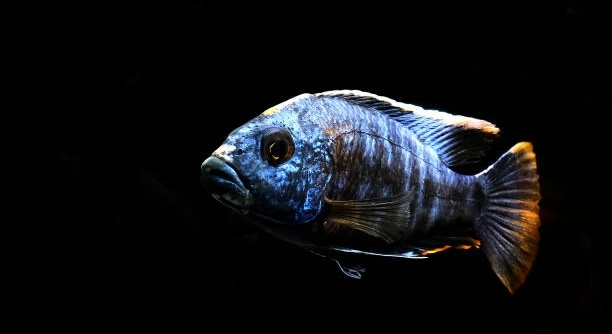
African cichlids are popular aquarium fish known for their vibrant colors and active behavior. Many hobbyists enjoy keeping them, but mixing species can lead to problems. Some fish simply do not get along well with African cichlids.
Certain fish species should be avoided when keeping African cichlids because they can cause aggression, stress, or health issues. These incompatible fish may disrupt the social structure or be harmed by the cichlids’ territorial nature, leading to poor tank conditions.
Knowing which fish do not coexist well with African cichlids helps maintain a peaceful and healthy aquarium environment for all its inhabitants.
Aggressive Tank Mates
African cichlids are known for their strong territorial behavior. Keeping aggressive fish together can quickly lead to fights and injuries. Some fish, like large plecos or other aggressive cichlids, may challenge each other for dominance. This causes constant stress and can even lead to death. It’s important to avoid adding fish that do not tolerate the cichlids’ bold nature. Peaceful species often become targets and suffer from stress-related illnesses. Additionally, overcrowding the tank with aggressive fish only makes the situation worse, as there is less space for each to claim. Choosing compatible species helps create a more balanced environment. Knowing the natural behavior of each species before adding them to the tank prevents unnecessary conflict. The right setup promotes a healthy and stable aquarium where fish can thrive without constant fighting.
Aggressive fish disrupt the peace in an African cichlid tank and should be avoided to protect all inhabitants.
Proper research on fish behavior is essential for a harmonious community tank, ensuring all species can coexist without harm.
Slow-Moving and Long-Finned Fish
Slow-moving fish with long fins are poor companions for African cichlids. These cichlids are fast and often aggressive, which can stress slower fish out. Long fins make fish more vulnerable to nipping, a common behavior among cichlids. Fish such as bettas or angelfish have delicate fins that can easily be damaged. Even if they survive, their constant stress lowers immunity, leading to disease. A peaceful tank should include fish that can handle the cichlids’ speed and temperament. It’s best to avoid species that cannot defend themselves or keep up with the activity. Careful selection helps reduce injuries and promotes healthier interactions. Choosing faster, hardier fish reduces conflict and keeps the tank balanced.
Avoid slow and long-finned fish as they are prone to injury and stress in African cichlid tanks.
Selecting fish with similar activity levels and durability leads to better tank harmony and reduces health risks.
Small and Peaceful Fish
Small, peaceful fish often become targets in an African cichlid tank. Their size makes them vulnerable to aggression and bullying.
These tiny fish are usually stressed by the bold and territorial nature of cichlids. They may be chased or even eaten, leading to injury or death. The constant stress weakens their immune system, making them more likely to fall ill. Additionally, their timid behavior can cause them to hide frequently, reducing their ability to feed properly. Even if they survive, they often live in fear, which diminishes their quality of life. It’s better to avoid adding small, peaceful species that cannot stand up to the cichlids’ energy and aggression.
For a balanced tank, choose fish that match the cichlids’ size and temperament. This avoids unnecessary harm and helps maintain a peaceful environment.
Fish With Different Water Requirements
Fish that need different water conditions from African cichlids should not be kept together. African cichlids prefer hard, alkaline water with a higher pH, while many other species thrive in softer, acidic water.
Mixing species with different water needs can cause health problems for one or both types of fish. Maintaining stable water parameters becomes difficult, leading to stress and disease. For example, tropical fish like tetras or discus require very different water chemistry compared to cichlids. Attempting to meet both species’ needs usually results in poor water quality or unstable conditions. Over time, fish may show signs of illness or poor growth due to unsuitable environments. It is more practical to group fish with similar water requirements to ensure a healthier tank. Proper water care helps avoid unnecessary risks and supports the well-being of all fish involved.
Schooling Fish
Schooling fish need to swim in large groups to feel safe and healthy. African cichlids’ territorial behavior often breaks up these groups, causing stress.
This stress can lead to poor health or even death in schooling fish. Avoid mixing them with cichlids to protect their natural social needs.
Bottom Dwellers With Similar Territory
Bottom-dwelling fish that share the same space as African cichlids often compete for territory. This competition causes constant conflict and stress.
Fish like catfish or loaches may be chased away or harmed by territorial cichlids. It’s better to avoid species that fight over the same space.
Delicate Species
Delicate species are easily stressed or injured by African cichlids’ aggressive behavior. They do not thrive in such competitive tanks.
FAQ
What makes African cichlids aggressive toward other fish?
African cichlids are naturally territorial and protective of their space. This behavior helps them secure food and breeding sites in the wild. In an aquarium, this instinct often turns into aggression toward other fish, especially those that enter their territory. They defend their area by chasing, nipping, or even attacking. This makes it hard for more passive or slow-moving fish to live peacefully with them. Aggression can increase when the tank is overcrowded or when hiding spaces are limited. Providing enough room and hiding spots can reduce fights but does not eliminate aggression entirely. Understanding their natural behavior helps prevent mixing species that will not get along.
Can African cichlids live with other cichlids?
Yes, African cichlids can live with other cichlids but only if the species are compatible. Some cichlids are more aggressive or territorial than others. Mixing aggressive types or those with very different temperaments can lead to fights. It is important to research the species carefully before adding them to the same tank. Matching similar sizes and temperaments helps reduce conflicts. Also, adding enough space and decorations to create territories is key. Even then, occasional skirmishes are normal. Many hobbyists successfully keep groups of African cichlids together by planning the tank layout and fish selection thoughtfully.
Why should small, peaceful fish be avoided with African cichlids?
Small, peaceful fish are often overwhelmed by the active and territorial behavior of African cichlids. Their small size makes them easy targets for chasing and bullying. This stress lowers their immune system, making them prone to diseases. They may also struggle to compete for food. In many cases, small peaceful fish hide continuously or become injured. Keeping them with cichlids usually results in poor health or death of the smaller fish. It is better to choose tank mates that can handle the cichlids’ energy and aggression.
What types of fish are safest to keep with African cichlids?
Fish that are similar in size, temperament, and water requirements are safest with African cichlids. Other robust cichlids with comparable aggression levels often work well. Fish that can hold their own, swim actively, and tolerate the same water conditions also do better. It’s important to avoid slow, timid, or long-finned species. Also, bottom dwellers that do not compete for the same space tend to coexist peacefully. Providing enough space and hiding spots reduces aggression further. Always research compatibility before combining species.
How do different water requirements affect tank compatibility?
Water chemistry is vital for fish health. African cichlids prefer hard, alkaline water with higher pH levels. Many other popular aquarium fish, like tetras or discus, need softer, acidic water. Mixing these species causes stress and health issues because one or both fish experience unsuitable conditions. Keeping fish with similar water needs simplifies maintenance and promotes stable water quality. It prevents sudden pH swings or mineral imbalances. This reduces the risk of disease and helps fish thrive.
Can tank size reduce aggression among African cichlids and other fish?
A larger tank can help reduce aggression by providing more space for territories and hiding spots. When fish have room to avoid each other, conflicts are less frequent and less severe. Overcrowding tends to increase fights and stress. However, tank size alone cannot eliminate natural territorial behavior. Proper tank setup, decorations, and careful fish selection remain important. Bigger tanks also require good filtration and maintenance to keep water quality high. Overall, adequate space supports healthier social interactions but does not guarantee full peace.
What signs show that fish are stressed in an African cichlid tank?
Signs of stress include hiding often, loss of appetite, faded colors, rapid breathing, and damaged fins. Fish may also show erratic swimming or stay at the bottom or surface. Injuries from chasing or nipping are common. Stressed fish often become more vulnerable to disease. If these signs appear, it is important to assess tank conditions and compatibility. Stress can result from poor water quality, aggression, or unsuitable tank mates. Addressing the root causes quickly helps protect fish health.
Is it possible to keep a mixed-species tank with African cichlids?
Yes, but it requires careful planning and research. Choosing compatible species that can tolerate cichlids’ behavior is key. Matching water needs, size, and temperament helps. The tank should be large with plenty of hiding places. Monitoring fish interactions closely is important to catch problems early. Even with precautions, some aggression is normal. Mixed tanks are best for experienced hobbyists who understand cichlid behavior. Patience and observation improve success.
When keeping African cichlids, choosing the right tank mates is very important. These fish are known for their strong territorial instincts and active behavior. Adding fish that do not match their temperament or size can lead to stress, fights, and even injury or death. It is best to avoid fish that are too small, slow-moving, or peaceful, as they often cannot handle the cichlids’ energy and may become targets. Additionally, species with different water needs or those that compete for the same territory can cause problems in the tank. Understanding these factors helps create a healthier and more balanced aquarium environment.
Providing a suitable space with enough hiding places and decorations can reduce aggression among African cichlids. A larger tank allows each fish to have its own territory, which lowers the chances of constant fighting. Still, aggression is a natural behavior for these fish, so some conflicts may happen even in well-planned tanks. Careful observation and regular maintenance help keep the tank stable and fish healthy. Choosing compatible fish based on size, behavior, and water requirements is the best way to avoid unnecessary problems. This approach ensures a peaceful and thriving community where the fish can live comfortably.
Taking the time to research and plan before adding fish to an African cichlid tank will pay off in the long run. It is better to prevent issues than to deal with stress or injury later. A well-chosen group of fish leads to a more enjoyable aquarium experience. Watching your fish interact in a calm, healthy environment is rewarding and satisfying. Remember, every tank is different, so adjust your choices based on what works best for your specific setup. With patience and care, you can create a beautiful and peaceful home for your African cichlids and their tank mates.

Hello,
If you enjoy the content that we create, please consider saying a "Thank You!" by leaving a tip.
Every little bit helps us continue crafting quality advice that supports the health, happiness, and well-being of pets around the world, for pets of all shapes, sizes, and species.
We really appreciate the kindness and support that you show us!