
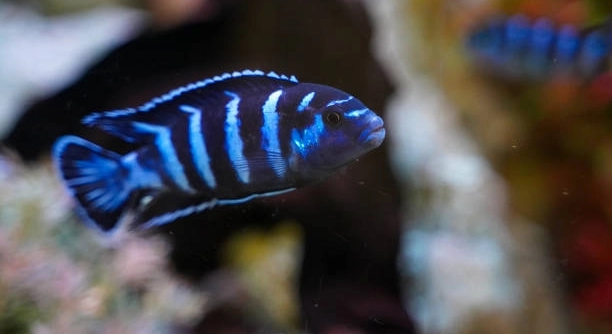
Are your cichlids showing signs of distress in their tank? Maintaining the right temperature is crucial for their health. Overheating can cause serious problems, making it important to recognize the warning signs early on.
Cichlids overheat when water temperatures rise above their comfort range, causing stress, lethargy, rapid breathing, and color fading. Identifying these symptoms promptly helps prevent illness and supports their overall well-being in a controlled environment.
Knowing how to spot overheating in your cichlids can protect them from harm. This guide will help you understand their behaviors and what to look for in your aquarium.
Common Signs of Overheating in Cichlids
Cichlids can show several clear signs when their tank temperature is too high. One of the most noticeable is increased activity followed by sudden lethargy as the heat stresses them out. They may also swim near the surface more often, trying to access cooler water or oxygen. Rapid gill movement is another key symptom, showing they are struggling to breathe. Changes in color, such as fading or darkening, can indicate distress as well. Sometimes, cichlids may lose their appetite or isolate themselves from other fish. These behavioral and physical changes signal that the environment is too warm and uncomfortable. Acting quickly can prevent more serious health issues like infections or death. Checking the water temperature regularly and watching your fish’s behavior closely will help you catch overheating early.
Monitoring your cichlids daily allows you to spot these signs before they worsen, keeping them healthier longer.
Recognizing the signs early is important because overheating can affect your cichlids’ immune systems, making them vulnerable to disease. When stressed by heat, their bodies cannot fight off infections as effectively. This can lead to problems like fin rot, fungal infections, or internal parasites. Water quality also suffers as higher temperatures reduce oxygen levels and increase harmful bacteria growth. Maintaining stable temperatures helps keep your aquarium balanced and your fish strong. If you notice these signs, lowering the tank temperature gradually is best to avoid shocking the fish. Using a reliable aquarium thermometer and a cooling system, like a fan or chiller, can help regulate conditions. Taking these steps supports your cichlids’ comfort and long-term health.
How to Prevent Overheating in Your Tank
Maintaining a stable temperature in your aquarium is key to preventing overheating.
Proper tank setup includes choosing the right heater and thermometer to control and monitor water temperature. Avoid placing the tank near heat sources like direct sunlight, radiators, or electronics that generate heat. A well-ventilated area with some airflow will help keep water cooler. Using fans designed for aquariums or adding floating plants can reduce temperature fluctuations by providing shade. Regular water changes also help maintain healthy conditions. It is important to research your specific cichlid species because temperature preferences can vary. Many cichlids thrive in temperatures between 75°F and 82°F (24°C to 28°C). Keeping the temperature within this range avoids stress and supports natural behaviors. Taking these precautions ensures a safe environment where your fish can thrive without overheating risks.
Behavioral Changes in Overheated Cichlids
When cichlids overheat, their behavior often changes noticeably. They may become restless, swim erratically, or hide more frequently than usual.
Stress from heat causes fish to expend more energy, resulting in fatigue and decreased activity over time. Erratic swimming can indicate discomfort or disorientation. Hiding is a common coping mechanism as the fish seek cooler or more secure areas. Some cichlids may also display aggression due to stress, which can disrupt the tank’s social balance. These behavioral changes are signals that the environment needs adjustment. Observing your fish regularly helps catch these issues early, preventing long-term harm.
These signs show how sensitive cichlids are to temperature changes and why careful monitoring is necessary to maintain a healthy tank environment.
Prolonged exposure to high temperatures can cause irreversible damage to cichlids’ health. Stress weakens their immune system, making them more vulnerable to diseases like ich or bacterial infections. In extreme cases, overheating can lead to organ failure or death. Fish may lose appetite, which further deteriorates their condition. Ensuring proper temperature control protects your cichlids from these risks. Small adjustments like lowering room temperature, improving tank ventilation, or using a chiller can make a significant difference. Keeping an eye on behavior and water parameters is essential to prevent overheating complications.
Physical Signs to Watch For
Physical symptoms often reveal overheating before behavior changes become severe. Look for clamped fins, rapid gill movement, and faded colors.
Clamped fins indicate discomfort or stress, as the fish tries to conserve energy. Rapid gill movement shows the fish is struggling to extract oxygen from warmer, less oxygen-rich water. Color changes, such as dulling or darkening, signal poor health caused by heat stress. In some cases, you might notice bloating or lesions developing due to secondary infections. These signs require immediate action to cool the tank and improve conditions. Ignoring physical symptoms risks serious illness or death for your cichlids.
Early detection of these signs helps prevent health decline and improves your fish’s chances of recovery.
Impact of High Temperature on Oxygen Levels
High water temperatures reduce the amount of dissolved oxygen available for cichlids. This causes them to breathe faster and struggle for air, increasing stress and risking suffocation.
Low oxygen levels also encourage harmful bacteria growth, which can worsen water quality and harm your fish. Proper aeration and temperature control are essential to avoid these problems.
Adjusting Tank Temperature Safely
Lower tank temperature gradually to avoid shocking your cichlids. Sudden changes can cause stress or illness, so reduce temperature by no more than 1–2 degrees Fahrenheit per day.
Using a reliable aquarium thermometer and adjusting the heater carefully helps maintain stable conditions. Fans or chillers can assist in cooling if needed.
Importance of Water Circulation
Good water circulation helps distribute heat evenly and keeps oxygen levels balanced throughout the tank. Poor circulation can create hot spots that harm fish.
Using a quality filter or water pump ensures consistent flow, improving tank health and comfort for your cichlids.
Signs of Heat Stress Recovery
Once temperature stabilizes, cichlids typically regain normal activity and color. Watch for gradual improvement in breathing and appetite.
FAQ
How can I quickly tell if my cichlids are overheating?
Rapid gill movement, lethargy, and swimming near the water surface are fast indicators. Changes in color or clamped fins also suggest heat stress. Observing these behaviors regularly helps you react before the problem worsens.
What is the ideal temperature range for most cichlids?
Most cichlid species thrive between 75°F and 82°F (24°C to 28°C). Keeping the tank within this range minimizes stress and supports healthy metabolism. Always check the specific needs of your cichlid species for best results.
Can overheating cause permanent damage to cichlids?
Yes, prolonged exposure to high temperatures can weaken immune systems and cause organ damage. Overheated fish are more prone to infections and may suffer from stunted growth or death if conditions don’t improve.
What should I do if my tank temperature suddenly rises?
Lower the temperature gradually to avoid shocking the fish. Use a fan, move the tank away from heat sources, or add cooler water. Monitor the fish closely during this process to catch any signs of stress.
Is it safe to use a chiller in a cichlid tank?
Yes, aquarium chillers are effective for controlling temperature in warmer climates or during hot seasons. Make sure the chiller is appropriate for your tank size and use it to maintain stable conditions.
How often should I check my aquarium temperature?
Daily temperature checks are ideal, especially during hot weather. Use a reliable aquarium thermometer and record readings to detect any unusual changes early.
Can plants help reduce tank temperature?
Plants provide shade and reduce direct light exposure, which can help lower water temperature slightly. However, they should be combined with other cooling methods for effective temperature control.
Why do overheated cichlids become more aggressive?
Heat stress causes discomfort and irritability in cichlids, often leading to increased aggression. Stress affects their behavior and social interactions, disrupting the tank’s balance.
How does overheating affect oxygen levels in the tank?
Warmer water holds less dissolved oxygen, making it harder for fish to breathe. This forces cichlids to breathe faster and increases stress, potentially leading to suffocation if not corrected.
What equipment helps prevent overheating?
A good heater with a thermostat, an aquarium thermometer, fans, and chillers all play roles in temperature regulation. Proper tank placement away from heat sources also helps maintain stable temperatures.
Can I use ice cubes to cool the tank?
Using ice cubes directly can cause rapid temperature changes, which stress fish. It’s better to add cool water gradually or use fans and chillers to lower temperature safely.
How long can cichlids tolerate slightly elevated temperatures?
Short periods of mild overheating might be tolerated, but prolonged exposure risks health problems. Consistent temperature control is necessary for their well-being.
Are all cichlid species sensitive to heat the same way?
Sensitivity varies by species. Some cichlids from cooler habitats tolerate lower temperatures, while others from tropical environments handle warmer water better. Research your specific species for optimal care.
What signs show my cichlids are recovering from heat stress?
Improved activity, restored color, normalized breathing, and regained appetite all indicate recovery. Recovery can take several days depending on the severity of the overheating.
How can I improve water circulation to help with heat?
Use a quality filter or water pump to keep water moving evenly. Good circulation helps distribute heat and oxygen, preventing hot spots and improving overall tank health.
Final thoughts on managing overheating in cichlids focus on prevention and careful observation. Keeping the tank temperature within the right range is essential for your fish’s health. Overheating can cause serious stress and lead to illness, so regular temperature checks and proper equipment are important. Using a reliable thermometer and controlling heat sources near the aquarium help maintain stable conditions. Prevention is always better than trying to fix problems after they arise.
Observing your cichlids daily allows you to notice changes early. Behavioral signs such as lethargy, hiding, or erratic swimming often point to heat stress. Physical signs like clamped fins, faded colors, or rapid breathing also indicate discomfort. Responding quickly by adjusting the tank temperature or improving water circulation can prevent long-term damage. Keeping a close eye on your fish helps ensure their comfort and reduces the risk of disease related to overheating.
Maintaining a healthy environment for cichlids goes beyond temperature control. Proper filtration, regular water changes, and avoiding overcrowding contribute to overall tank stability. Cooler water holds more oxygen and supports beneficial bacteria, which helps keep the fish healthy. If you live in a warm climate, consider using fans or chillers to manage heat. A well-balanced tank promotes strong immune systems in your cichlids and reduces the chances of stress-related issues. Taking these steps will help your fish thrive in a safe and comfortable home.

Hello,
If you enjoy the content that we create, please consider saying a "Thank You!" by leaving a tip.
Every little bit helps us continue crafting quality advice that supports the health, happiness, and well-being of pets around the world, for pets of all shapes, sizes, and species.
We really appreciate the kindness and support that you show us!