
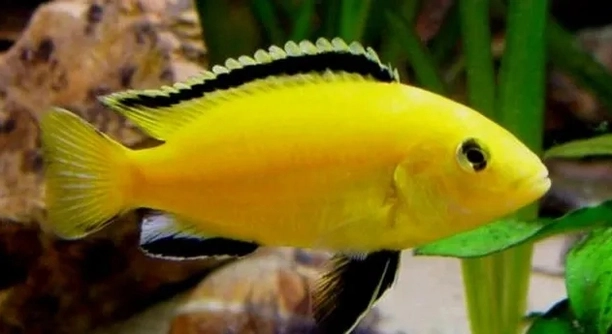
Are your cichlids refusing to leave their fry even after they have grown? Many aquarists face this behavior, which can be puzzling and concerning. Understanding why this happens can help create a better environment for both parents and fry.
Cichlids often stay close to their fry due to instinctual protection, environmental stress, or lack of adequate hiding spaces. These factors encourage prolonged parental care to increase fry survival in potentially threatening surroundings.
Recognizing these reasons will help you manage your aquarium more effectively and support healthy development for your fish family.
Instinctual Protection Drives Parental Care
Cichlids are known for their strong parental instincts, which make them protect their fry intensely. Even after the fry can swim and feed on their own, parents may continue guarding them to reduce threats from predators or other fish. This behavior is rooted deeply in their nature to ensure the survival of their offspring. The level of care can vary by species, but most cichlids display some form of protection. If the tank environment feels unsafe or crowded, parents may stay closer to their young for longer periods. It is important to observe the tank setup and population to see if adjustments can reduce stress. By providing enough hiding spots and limiting aggressive tank mates, cichlids may feel less need to hover over their fry constantly.
Continued guarding is a survival mechanism to protect vulnerable fry from perceived dangers.
Adjusting the tank environment is often key to encouraging parents to allow their fry more independence. Creating plenty of safe spaces, such as plants or rocks, lets fry hide and explore without constant supervision. Keeping aggressive species separate and avoiding overcrowding reduces stress on both parents and fry. Feeding the parents well also helps them feel secure enough to loosen their watchfulness. Over time, with a calm environment, cichlids tend to gradually let their fry grow more independent, improving their social behavior and survival skills.
Environmental Stress Affects Behavior
Stress from environmental factors can cause cichlids to keep their fry close. Changes in water quality, temperature fluctuations, or sudden noises may trigger anxiety in parents. These conditions make them more protective and less likely to leave their young alone. Stress also weakens the fish’s immune system, potentially impacting the whole tank’s health. Maintaining consistent water parameters and minimizing disruptions can help reduce stress. Regular testing and gentle handling go a long way in keeping the environment stable for both adults and fry.
Creating a calm, stable tank environment supports healthier behavior and reduces unnecessary parental guarding.
If stress persists, parents may become overly aggressive or neglect fry care due to anxiety. Stress can also cause fish to hide excessively or refuse to eat, affecting their overall well-being. It’s essential to monitor water conditions closely, including ammonia, nitrite, nitrate, and pH levels, to ensure they remain within ideal ranges. Gradual water changes and avoiding overcrowding also lower stress levels. By understanding how environmental stress influences cichlid behavior, aquarists can take targeted steps to create a secure space where both parents and fry thrive naturally.
Lack of Adequate Hiding Spaces
When fry do not have enough places to hide, parents feel the need to stay close for protection. Without proper shelter, fry are vulnerable, and parents react by guarding them more intensively.
Providing plenty of hiding spots like plants, rocks, and caves allows fry to explore safely. This reduces the stress on parents, encouraging them to give their fry more freedom. Natural decorations or artificial hiding places work well, depending on the tank setup. Overcrowding with too many fry or other fish also limits hiding options, increasing parental watchfulness.
A well-structured tank with ample shelter improves fry safety and promotes healthy independence. Parents feel secure enough to leave fry, knowing they can find refuge when needed.
Overfeeding and Parental Behavior
Overfeeding the fry or parents can cause increased guarding behavior. Excess food attracts more attention, making parents more alert to protect their territory. It may also lead to water quality issues, stressing the fish.
Controlling feeding amounts helps maintain a balanced environment. Feeding small portions frequently ensures fry get enough nutrition without excess waste. Parents will be less focused on guarding food-rich areas, allowing fry to roam more freely.
Regular tank cleaning combined with proper feeding supports healthy fish behavior. This balance promotes natural parental instincts without excessive guarding due to food competition or environmental stress.
Parental Bonding and Hormones
Hormones released after spawning keep parents close to their fry. This natural chemical response strengthens bonding and protective behavior. It can last for several weeks, even after fry become more independent.
Over time, hormone levels decrease, and parents gradually reduce their guarding. This process varies by species and individual fish temperament.
Presence of Threatening Tankmates
Aggressive or curious tankmates cause cichlids to stay near their fry longer. Parents respond to perceived threats by increasing protection, limiting fry exploration.
Removing or isolating such fish can ease stress and help parents feel secure enough to leave their young.
Fry Health Concerns
If fry show signs of illness or weakness, parents may not leave them alone. Protecting vulnerable fry increases their chances of survival until recovery.
FAQ
Why won’t my cichlids leave their fry even when they seem old enough?
Cichlids have strong parental instincts that sometimes extend beyond the fry’s independence. They stay close to protect their young from any perceived threats in the tank. This behavior is natural and often influenced by the tank environment, presence of other fish, or lack of hiding spaces.
How long do cichlids typically guard their fry?
The guarding period varies by species and tank conditions but usually lasts from a few weeks up to two months. Some species are more protective and may continue to watch over their fry longer if they feel the environment isn’t safe.
Can I encourage my cichlids to stop guarding their fry?
Yes, improving tank conditions is key. Provide plenty of hiding spots for fry, reduce stress by maintaining stable water parameters, and remove aggressive tankmates. Feeding the parents well also helps them feel secure enough to give the fry more freedom.
Does overcrowding affect parental guarding?
Overcrowding increases stress on both parents and fry, causing parents to guard more closely. Too many fish competing for space and resources can make the environment feel unsafe. Keeping an appropriate stocking level helps parents relax and allow fry to explore.
Could stress make my cichlids more protective?
Absolutely. Stress from poor water quality, sudden changes, or loud noises can trigger stronger protective behavior. Monitoring water parameters carefully and minimizing disturbances helps reduce stress and encourages natural parental behavior.
Is it normal for cichlids to become aggressive while guarding fry?
Yes, increased aggression during fry guarding is common. Parents may attack tankmates or even other fry to protect their young. Managing tank mates and providing hiding spots can reduce aggression and keep the tank peaceful.
How important is water quality during fry development?
Water quality is crucial. Poor water conditions stress parents and fry, making the parents more protective and fry more vulnerable to illness. Regular testing, water changes, and filtration help maintain a healthy environment for the entire family.
Should I separate fry from parents at some point?
Separation depends on the species and tank setup. Some cichlids eventually drive fry away naturally, while others keep guarding longer. If parents become too aggressive or fry stop growing, separating them can prevent harm and support fry development.
What signs indicate fry are ready to be more independent?
When fry swim confidently, eat on their own, and hide without parental help, they are becoming more independent. At this point, parents typically reduce guarding. Providing shelter helps fry practice independence safely.
Can overfeeding cause more guarding behavior?
Overfeeding can lead to excess food in the tank, attracting more attention and making parents more territorial. Feeding appropriate amounts helps keep the environment balanced and reduces unnecessary guarding related to food competition.
How do I balance feeding for both parents and fry?
Feed small portions frequently to meet the nutritional needs of fry and parents without polluting the tank. Using fry-specific food alongside regular pellets for parents helps both groups stay healthy and reduces stress-driven behaviors.
Are there any signs that indicate parental bonding is weakening?
Parents spending less time near the fry and showing less aggression towards tankmates usually signal that bonding is less intense. This shift means fry are growing more independent, which is a healthy progression for the fish.
Can tank decorations influence parental behavior?
Yes, providing plenty of natural or artificial hiding places makes parents feel their fry are safer. This security allows them to leave fry unattended more often. Sparse or open tanks make parents stay close for constant protection.
What role do hormones play in fry guarding?
Hormones released after spawning trigger strong parental instincts. These chemicals encourage parents to protect fry for weeks. Over time, hormone levels drop, and parents gradually ease their guarding behavior.
Is it okay if parents accidentally harm fry during aggressive guarding?
Sometimes parents may unintentionally harm fry when defending territory. While occasional minor injuries can happen, constant aggression that leads to severe harm means intervention is needed, such as separating fry or adjusting tank conditions.
Understanding why cichlids won’t leave their fry is important for anyone keeping these fish. Their behavior is mostly driven by natural instincts to protect their young from danger. Sometimes, this means parents stay close even after fry seem ready to be independent. Knowing this helps aquarists create better tank environments that meet the needs of both parents and fry. When the fish feel safe, parents will gradually allow fry more freedom, which is essential for their growth and development.
A few key factors influence this protective behavior. Tank setup plays a big role—if there are not enough hiding places, parents will feel the need to guard their fry closely. Water quality and stability also matter. Stressful conditions can cause parents to be overly protective or aggressive. Even the presence of other fish that seem threatening will make cichlids stay near their fry longer. By paying attention to these details, you can reduce stress and encourage a more natural balance between parental care and fry independence.
It is also important to watch how parents and fry interact over time. Gradually, parents should reduce their guarding as fry become more capable of swimming, finding food, and hiding safely. This transition is a sign of healthy fish behavior. If guarding continues for too long or becomes aggressive to the point of harm, changes may be needed. Adjusting tank conditions, feeding routines, or even separating fry can help. Overall, understanding the reasons behind your cichlids’ behavior will improve their wellbeing and make your aquarium a healthier place for all its inhabitants.

Hello,
If you enjoy the content that we create, please consider saying a "Thank You!" by leaving a tip.
Every little bit helps us continue crafting quality advice that supports the health, happiness, and well-being of pets around the world, for pets of all shapes, sizes, and species.
We really appreciate the kindness and support that you show us!