
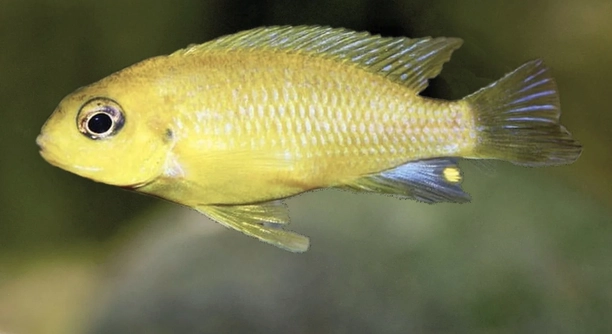
Cichlids are popular aquarium fish known for their vibrant colors and active behavior. Keeping them healthy requires attention to their environment, especially water changes. Sudden changes in water can cause stress or shock, affecting their well-being.
Seven types of water changes can shock cichlids, including large volume replacements, rapid temperature shifts, changes in pH levels, altered hardness, introduction of untreated water, sudden changes in salinity, and abrupt changes in water chemistry. Each factor disrupts the fish’s delicate balance and can lead to stress or illness.
Knowing these water change risks helps protect your cichlids from harm. This article explains what causes shock and how to prevent it for a healthier aquarium experience.
Large Volume Water Changes
Large volume water changes can be very stressful for cichlids. When too much water is replaced at once, the environment shifts quickly, which can shock the fish. Their bodies need time to adjust to changes in temperature, pH, and mineral content. Suddenly altering these factors can affect their metabolism and immune system. Many cichlid keepers recommend changing only 10-20% of the water weekly to avoid stress. If a bigger change is needed, it should be done slowly over several hours or days. This gives fish time to acclimate and reduces the chance of shock. Watching your cichlids closely after a large water change is important, as signs of stress can include hiding, loss of appetite, or erratic swimming.
Smaller, frequent water changes are safer and help maintain a stable environment for your cichlids.
Careful planning and gradual adjustments make water changes less risky and keep your fish healthier in the long term.
Sudden Temperature Changes
Temperature shifts in the aquarium water should always be gradual. Cichlids are sensitive to sudden drops or increases in water temperature, which can cause shock or illness. Even a change of a few degrees in a short time can be harmful. To avoid this, prepare replacement water at the same temperature as the tank water before adding it. Use a reliable aquarium thermometer to monitor temperature accurately. If the tap water is colder or warmer, let it sit and reach the right temperature first. When you add new water slowly, your cichlids adjust better and remain comfortable. Sudden temperature changes weaken their immune system, making them vulnerable to infections. Consistent temperature control is key to a healthy cichlid tank.
pH and Water Hardness Shifts
Changes in pH or water hardness can cause shock for cichlids because they rely on stable water chemistry. Cichlids from African rift lakes prefer hard, alkaline water, while South American species may need softer, slightly acidic water. If water changes suddenly alter these conditions, fish may experience stress or health problems. It’s important to test the water before and after changes to ensure pH and hardness stay within safe ranges. Avoid mixing tap water with untreated sources that have different chemical properties. Using water conditioners or mixing water properly helps keep stability. Sudden shifts can disturb their balance, leading to reduced oxygen intake and weaker immune response. Keeping water chemistry consistent promotes healthy fish and reduces the risk of shock during water changes.
Untreated Tap Water
Using untreated tap water for water changes is risky for cichlids. Tap water often contains chlorine or chloramine, chemicals harmful to fish. These substances can damage fish gills and cause stress or death. Always treat tap water with a water conditioner before adding it to the tank. The conditioner removes harmful chemicals and makes the water safe. Let treated water sit for a while to allow any gases to dissipate. Using untreated water disrupts the aquarium environment and stresses the fish’s system. Consistently using properly treated water ensures a safer home for your cichlids and protects their health.
Salinity and Chemical Changes
Abrupt changes in salinity or water chemistry can shock cichlids. Some species tolerate slightly brackish water, but sudden shifts confuse their biological systems. Changes may come from mixing different water sources or adding medications improperly. Chemicals like heavy metals or excess minerals also stress fish. Always match the water’s salinity and chemical makeup during water changes. Test the water regularly and use conditioners when needed. Gradual changes are safer and help maintain fish health. Sudden changes can cause behavior issues and weaken immune defense.
Keeping stable water conditions helps your cichlids thrive and reduces the chance of illness.
Rapid Water Chemistry Changes
Rapid changes in water chemistry cause stress for cichlids. Sudden shifts in pH, ammonia, nitrites, or nitrates can harm fish quickly.
Maintaining stable water chemistry is critical for cichlid health. Rapid changes often occur when adding untreated water or overcleaning the tank, disrupting beneficial bacteria. This can lead to ammonia spikes or pH swings that shock fish, damaging their gills and weakening their immune systems. Regular testing and gradual water changes help keep these levels steady. Using a water conditioner and cycling new water before adding it to the tank also prevents sudden chemistry shifts. Stability helps cichlids stay healthy and less stressed.
Avoid large, fast changes by mixing new water carefully. Test water parameters regularly and act quickly if levels shift. Keeping chemistry stable prevents many common health problems.
Mixing Different Water Sources
Mixing water from different sources can be risky for cichlids. Tap water, well water, and bottled water all have unique chemical profiles.
When combining water with varying pH, hardness, or mineral content, it’s easy to create sudden environmental changes. These changes can shock fish and affect their metabolism and behavior. Always test each water source separately before mixing. Adjust the water chemistry gradually to match the tank’s needs. Avoid mixing untreated water with conditioned water abruptly. Using water from a single, stable source or carefully blending water helps keep the aquarium safe. Proper mixing minimizes the chance of stressing or harming your cichlids during water changes.
Using Cold Replacement Water
Using cold replacement water can shock cichlids instantly. Always match the temperature closely to the tank water before adding it.
Adding cold water causes sudden stress and may lead to illness. Slowly warm replacement water to the proper temperature to keep fish safe and comfortable.
Overcleaning the Tank
Overcleaning removes beneficial bacteria that keep the tank’s nitrogen cycle balanced. This disrupts water quality and can cause ammonia or nitrite spikes, stressing cichlids.
Regular gentle cleaning is better than intense scrubbing. Use filter media carefully to avoid removing helpful bacteria. Maintaining balance keeps fish healthier and prevents shock during water changes.
Sudden Changes in Oxygen Levels
Sudden drops in oxygen during water changes can harm cichlids. Ensure proper aeration and water movement to keep oxygen levels stable.
Adding Untreated Water Too Fast
Adding untreated water quickly increases toxins in the tank. Treat and add new water slowly to protect your cichlids from shock.
FAQ
Why do cichlids get shocked during water changes?
Cichlids get shocked when their environment changes too quickly. This includes sudden shifts in temperature, pH, hardness, or chemical composition. Rapid changes disturb their natural balance and cause stress. Their bodies need time to adjust to new water conditions, and abrupt changes can weaken their immune systems or cause physical harm.
How can I prevent shocking my cichlids during water changes?
Prevent shock by making water changes slowly and carefully. Always match the temperature of new water to the tank water. Use a water conditioner to remove harmful chemicals from tap water. Test water parameters before and after changes to ensure stability. Change only 10-20% of the water at a time and avoid mixing water from different sources abruptly.
What are the signs that a cichlid is shocked?
Signs include hiding more than usual, gasping at the surface, loss of appetite, clamped fins, or erratic swimming. Some cichlids may also show discoloration or rapid breathing. Observing these behaviors early helps you act quickly to improve water conditions and reduce stress.
Is it safe to do large water changes if my cichlids seem healthy?
Large water changes can still be risky even if fish look healthy. Sudden environmental shifts may cause hidden stress that weakens fish over time. It’s best to do smaller, frequent changes that keep water parameters stable. Gradual changes allow cichlids to adjust and stay healthier longer.
Can untreated water harm my cichlids?
Yes, untreated tap water contains chlorine, chloramine, and other chemicals harmful to cichlids. These substances damage fish gills and cause stress or death. Always use a water conditioner to neutralize harmful chemicals before adding tap water to the tank.
How important is matching the water temperature during changes?
Matching temperature is very important. Even a small difference can shock cichlids because they are sensitive to temperature swings. Using water that is too cold or too warm stresses fish and makes them more prone to disease. Use a thermometer to check the temperature before adding water.
Can mixing different water sources cause problems?
Yes, mixing water with different pH, hardness, or chemical profiles can cause sudden changes in the tank environment. These shifts can confuse cichlids and cause stress or illness. Always test and adjust water chemistry before mixing sources. Use stable water to keep the tank safe.
How often should I do water changes to avoid shocking my fish?
Changing 10-20% of the water weekly is recommended. This keeps water clean without large sudden shifts. Smaller, regular water changes maintain stable conditions and reduce the risk of shocking cichlids. Avoid skipping changes, which can lead to poor water quality and stress.
What should I do if my cichlids show signs of shock?
First, test your water parameters to identify any sudden changes. Correct any problems like temperature, pH, or ammonia levels immediately. Increase aeration and reduce stress by lowering light or noise near the tank. Keep the water clean and consider adding aquarium salt to help recovery. If symptoms worsen, consult a fish health expert.
Are some cichlid species more sensitive to water changes than others?
Yes, sensitivity varies by species. African rift lake cichlids generally prefer very stable, hard, alkaline water and may be more sensitive to changes. South American cichlids often tolerate softer, slightly acidic water but still need gradual adjustments. Knowing your species’ water preferences helps avoid shock during changes.
Does water hardness affect how often I should change water?
Water hardness itself doesn’t dictate change frequency, but sudden shifts in hardness can shock fish. Keep hardness stable by using consistent water sources. Regular water changes maintain overall water quality and help prevent build-up of harmful substances, which is more important than hardness alone.
Can using a water conditioner prevent all water change shocks?
Water conditioners help by removing chlorine, chloramine, and heavy metals, making water safer for fish. However, they don’t prevent changes in temperature, pH, or hardness. Conditioner use must be combined with gradual water changes and testing to fully avoid shock.
Is it okay to add new water quickly if it looks clean?
No, even clean-looking water can differ chemically from tank water. Adding it quickly can cause sudden changes that shock cichlids. Always prepare and test new water, then add it slowly to let fish adjust. This prevents stress and keeps the tank environment stable.
What role does aeration play during water changes?
Aeration helps keep oxygen levels stable during water changes. Sudden drops in oxygen can stress cichlids and make them more vulnerable to illness. Increasing water movement with air stones or filters during changes supports fish health and reduces shock.
Can frequent water changes be harmful?
Too frequent or large water changes can be harmful if they cause rapid environmental shifts. The key is balance: regular, moderate changes keep water clean and stable. Overdoing it without proper preparation can stress fish by disrupting water chemistry and beneficial bacteria.
How do I safely acclimate new water for my cichlids?
Prepare new water by adjusting temperature and chemistry to match the tank. Add water conditioner and test parameters. Slowly introduce the new water over several hours if possible, either by drip acclimation or gradual mixing. This careful process reduces shock and helps cichlids adapt smoothly.
Changing water in a cichlid tank is a necessary part of keeping fish healthy, but it must be done carefully. Sudden changes can stress or shock the fish, leading to illness or even death. Understanding the different factors that can cause shock, like temperature, pH, hardness, and chemicals, helps you avoid common mistakes. Taking the time to prepare replacement water properly and making changes slowly is the best way to protect your cichlids. It’s also important to regularly test your water to catch any problems early.
Small, frequent water changes are better than large, infrequent ones. Changing only 10 to 20 percent of the water weekly keeps the environment stable. Large water changes can cause rapid shifts that the fish can’t handle. When you do a water change, matching the temperature of the new water to the tank water is crucial. Using water conditioners to remove chlorine and other harmful chemicals is also necessary. These steps help maintain a healthy environment and reduce stress on your fish.
By keeping water conditions consistent and avoiding sudden changes, you help your cichlids stay strong and vibrant. Stress weakens their immune systems and can lead to disease, so preventing shock is key to their long-term health. Remember to mix water carefully, acclimate fish slowly, and monitor water parameters regularly. Doing these things may take a little more effort, but your cichlids will thank you with better health and livelier behavior. Overall, careful water changes are an important part of responsible fish care.

Hello,
If you enjoy the content that we create, please consider saying a "Thank You!" by leaving a tip.
Every little bit helps us continue crafting quality advice that supports the health, happiness, and well-being of pets around the world, for pets of all shapes, sizes, and species.
We really appreciate the kindness and support that you show us!