
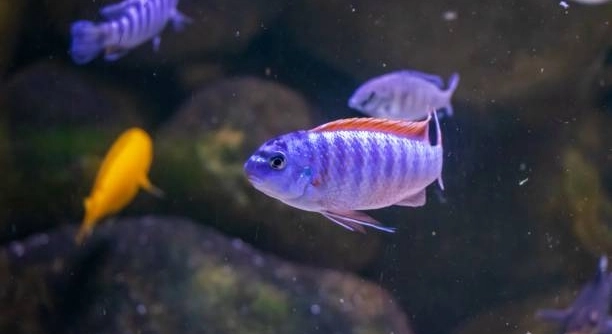
Many aquarium enthusiasts enjoy arranging their tanks thoughtfully, creating environments that feel natural and comfortable for their fish. Cichlids are popular among hobbyists, known for their vivid colors and interesting behaviors in home aquariums. Understanding how these fish interact with their surroundings can improve their care.
Cichlids have been shown to recognize their tank setup, including landmarks and hiding places. This spatial awareness helps them navigate, establish territories, and reduce stress in captivity. Such recognition is essential for their behavioral health and adaptation to the environment.
Learning how cichlids respond to their tank design can help improve their overall wellbeing. This article explores the details behind their recognition abilities and what it means for their care.
How Cichlids Use Their Environment
Cichlids rely heavily on their environment to feel secure and confident. They recognize specific rocks, plants, and decorations that make up their tank. These familiar objects help them navigate and create territories. When a tank is rearranged too often, cichlids can become stressed and confused. This stress may lead to hiding more often or showing signs of aggression. Their ability to remember the layout is similar to how animals use landmarks in the wild to find food or avoid predators. Providing a stable and well-structured tank setup encourages natural behavior, which is essential for their health. Cichlids also use caves and crevices to hide or lay eggs, making the tank’s physical structure crucial to their breeding habits. Observing how your cichlid interacts with these features can give insight into their comfort level. Stability in their surroundings allows them to thrive and display their best colors and behaviors.
Recognizing the importance of a stable environment can improve your care routine and your cichlids’ wellbeing significantly.
Keeping decorations consistent supports healthy behavior and reduces stress-related problems in cichlids, making your aquarium more peaceful and balanced.
Training and Adaptation to Tank Changes
Cichlids can adapt to changes in their tank setup, but this process takes time and patience. When decorations or rocks are moved, cichlids often explore the new arrangement carefully before feeling comfortable. Repeated small changes are easier for them to adjust to than sudden major shifts. Some owners use this adaptability to gently train their fish to recognize new areas, encouraging mental stimulation. However, too frequent or drastic alterations can cause anxiety and disrupt feeding or breeding behavior. Keeping some familiar features while introducing new elements helps cichlids adjust more smoothly. It’s also important to watch their reactions during changes; signs of distress include constant hiding or refusal to eat. Gradual changes allow cichlids to rebuild their mental map of the tank and regain their confidence. Overall, maintaining a balance between stability and mild novelty creates an enriching environment that supports both mental and physical health. This approach respects their natural instincts while accommodating necessary tank maintenance or improvements.
Environmental Cues and Cichlid Behavior
Cichlids rely on environmental cues like landmarks, water flow, and lighting to navigate their tanks. These signals help them establish territories and feel secure.
Landmarks such as rocks or plants create mental maps for cichlids. They use these to remember safe spots and feeding areas. When these cues are stable, cichlids are less stressed and show natural behaviors. Changes in water flow or lighting can also affect their comfort levels. For example, brighter light might encourage activity, while dimmer light promotes hiding. Recognizing these environmental signals helps fish maintain their routine and reduces anxiety, improving their overall health.
Water conditions and habitat features directly influence how cichlids interact with their environment. Understanding this relationship supports better tank management and fish wellbeing.
Impact of Tank Size and Layout
Tank size influences how much space cichlids have to explore and establish territories. Larger tanks allow more natural behavior but require careful layout planning.
In a bigger tank, cichlids can spread out and avoid conflicts, reducing stress. However, an empty large tank might cause boredom and territorial aggression. Proper decorations and hiding spots break the tank into smaller zones. This helps multiple fish coexist peacefully. A well-planned layout mimics natural environments, offering places to hide, hunt, and rest. Smaller tanks limit movement but can still be comfortable if arranged thoughtfully. It’s important to consider species-specific needs when designing the tank, as some cichlids prefer open spaces while others need more cover. Balancing size and layout creates a more harmonious habitat where cichlids thrive naturally.
Memory and Recognition Abilities
Cichlids have strong memories that help them recognize their tank layout. This ability supports their survival and comfort.
Their recognition extends to familiar objects and even other fish. This skill reduces stress and improves social interactions in the tank.
How Consistency Affects Stress Levels
Consistency in tank setup lowers stress for cichlids. Sudden changes can trigger anxiety and defensive behavior, disrupting their routine.
Stable environments support healthy feeding, breeding, and activity. Keeping the layout predictable helps cichlids feel safe and maintain natural behaviors.
Signs Your Cichlid Recognizes Its Environment
When cichlids recognize their surroundings, they explore confidently and establish clear territories. They use landmarks to navigate and feel secure.
Adjusting to New Tank Setups
Cichlids can adapt to new tank arrangements but need time. Gradual changes are less stressful and help them rebuild their mental map.
How do cichlids recognize their tank setup?
Cichlids use visual landmarks such as rocks, plants, and decorations to remember their surroundings. Their brain processes these features as reference points, helping them navigate the tank. This recognition supports their ability to establish territories, find hiding spots, and reduce stress. Over time, cichlids form a mental map of their environment, which is essential for feeling secure and confident in their habitat.
Can rearranging the tank cause problems for cichlids?
Yes, sudden or frequent changes in the tank layout can confuse cichlids. They rely on familiarity to feel safe, so moving decorations or changing the setup often can cause anxiety. This may lead to hiding, aggression, or refusal to eat. Gradual changes with some consistent features left in place help minimize stress and allow cichlids to adjust without negative effects.
How long does it take for cichlids to adapt to a new tank arrangement?
Adaptation time varies but generally takes several days to a few weeks. Cichlids explore the new setup cautiously and gradually rebuild their mental map. Providing familiar objects or slowly introducing new decorations can speed up this process. Observing their behavior during this time is important to ensure they are not overly stressed.
Do all cichlids recognize their environment equally well?
Recognition ability can differ between species and individual fish. Some cichlids are more territorial and rely heavily on environmental cues, while others may be more adaptable. Age and experience also influence this skill; older, settled fish usually have stronger recognition and feel more comfortable in their tanks.
What signs show that a cichlid is stressed due to tank changes?
Signs of stress include excessive hiding, erratic swimming, loss of appetite, and increased aggression. Some cichlids may also show duller colors or less activity. These behaviors suggest discomfort with their surroundings and indicate that the tank setup might need adjustment or more time for the fish to acclimate.
Can cichlids learn to recognize their owners or feeding routines?
Yes, cichlids are capable of recognizing feeding times and even their caretakers. They associate specific cues, like the sound of food or approaching hands, with feeding. This recognition shows their ability to learn and adapt, making regular routines important for their wellbeing.
How does tank size impact cichlids’ recognition of their environment?
In larger tanks, cichlids rely more on landmarks to navigate because there is more space to cover. Proper placement of hiding spots and decorations is crucial to help them build a clear mental map. In smaller tanks, recognition is easier since the environment is compact, but overcrowding can cause stress and disrupt territorial behavior.
Is it beneficial to provide hiding spots for cichlids?
Yes, hiding spots are essential. They offer security and reduce stress, especially during tank changes or social conflicts. Cichlids use caves, plants, and rocks as shelters, which help them feel safe. Well-placed hiding spots also encourage natural behaviors like breeding and territory marking.
How can I help my cichlids adjust to changes in their tank?
Introduce changes gradually and keep some familiar features intact. Monitor the fish closely for signs of stress and avoid making multiple changes at once. Maintaining consistent water quality and feeding routines also supports their adjustment process. Patience is key to allowing cichlids to adapt comfortably.
Do environmental changes affect cichlid breeding behavior?
Yes, stable environments encourage breeding by providing secure territory and nesting sites. Sudden changes can disrupt breeding behavior and cause parents to abandon eggs or fry. Maintaining a consistent tank setup with appropriate conditions is important for successful reproduction.
Cichlids show a clear ability to recognize and remember their tank setup. This recognition helps them feel safe and comfortable in their environment. When the layout remains consistent, cichlids can explore confidently, establish territories, and reduce stress. These behaviors are important for their overall health and wellbeing. Understanding that fish are sensitive to their surroundings can guide how their tanks are arranged and maintained. Keeping familiar objects like rocks, plants, and hiding spots stable supports natural behavior and promotes a peaceful atmosphere in the aquarium.
Changes in the tank setup should be managed carefully to avoid causing stress. Sudden or frequent rearrangements can confuse cichlids and disrupt their routine. It is better to introduce changes gradually, allowing the fish time to adjust and rebuild their mental map of the environment. Maintaining consistency in water conditions and feeding schedules also helps cichlids adapt more easily. Observing their behavior during transitions provides clues about their comfort levels. When stress signs appear, such as hiding or aggression, it may be necessary to slow down or pause changes. Thoughtful care and patience go a long way in keeping cichlids happy and healthy.
The relationship between cichlids and their environment shows how important the tank setup is for fish wellbeing. Providing a stable, well-planned space that meets their needs encourages natural behaviors like exploration, breeding, and social interaction. At the same time, mild new elements can offer mental stimulation without overwhelming the fish. Balancing stability with gentle novelty supports their cognitive skills and overall health. Taking time to learn how cichlids interact with their habitat can improve aquarium care. This understanding benefits both the fish and the aquarium owner by creating a thriving, harmonious aquatic environment.

Hello,
If you enjoy the content that we create, please consider saying a "Thank You!" by leaving a tip.
Every little bit helps us continue crafting quality advice that supports the health, happiness, and well-being of pets around the world, for pets of all shapes, sizes, and species.
We really appreciate the kindness and support that you show us!