
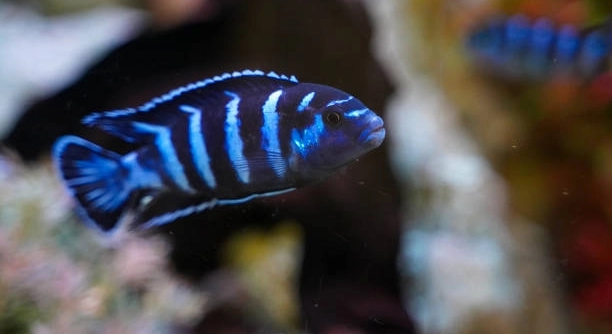
Moving cichlid tanks requires careful planning to keep your fish safe and healthy during the process. Many hobbyists face challenges that can harm their aquatic pets if not handled properly. This article will guide you through common mistakes to avoid when relocating your tank.
Avoiding sudden changes in water conditions, rough handling of the tank, and improper transportation methods are crucial to prevent stress and injury to cichlids. Maintaining stable temperature, water quality, and secure tank setup ensures their well-being during the move.
Knowing what to avoid can save your fish from unnecessary stress and potential harm. This guide will help you protect your cichlids while moving their environment safely.
Avoid Sudden Changes in Water Conditions
When moving cichlid tanks, one of the biggest risks is sudden changes in water conditions. Cichlids are sensitive to shifts in temperature, pH, and water chemistry. Even small changes can cause stress, weaken their immune system, or lead to illness. It’s important to keep the water as stable as possible during the move. This means transferring some of the original tank water with the fish to maintain familiar conditions. Avoid mixing water from different sources that might have different parameters. Gradually adjusting the new tank’s water before introducing the fish will help them adapt more smoothly. Testing the water regularly before and after the move ensures it stays within safe limits. Taking time to prepare the water can make a big difference in the health of your cichlids.
Keeping water stable reduces stress and health risks for your fish during the move.
Careful monitoring of temperature and pH can prevent shock. Use portable heaters or coolers if needed, and avoid drastic changes in water hardness. Always prepare your new tank’s water ahead of time by matching its temperature and chemical balance to the old tank. If possible, use a water conditioner to remove harmful chemicals. Remember that quick adjustments are more dangerous than slow, controlled changes. By maintaining consistency, you protect your cichlids and help them stay calm during relocation.
Handle the Tank Gently
Rough handling can cause damage to the tank and harm your fish. Even small impacts may crack glass or disturb the substrate, causing stress for cichlids.
Careful handling avoids accidents and keeps fish safe.
Moving a tank requires steady hands and firm support. Lift the tank from the base, not just the edges, to avoid cracking. Transport it on a flat surface inside a vehicle to prevent tipping or sudden movements. Secure lids and equipment before moving. Use padding or blankets around the tank to protect against bumps during transport. Avoid shaking or dropping the tank, as sudden jolts can harm fish and damage the setup. Taking these precautions ensures the tank remains intact and your cichlids stay unharmed throughout the process.
Avoid Overfeeding Before the Move
Overfeeding before moving increases waste, which can pollute the water quickly and stress your fish. It’s best to reduce feeding a few days prior to the move.
Reducing food intake lowers waste buildup during transport. Excess food breaks down and releases harmful ammonia, which can damage gill function and weaken your cichlids’ health. Feeding smaller amounts or skipping feeding 24 hours before the move helps keep the water cleaner. Fish use less oxygen when they are not digesting large meals, which is beneficial during stressful conditions like transport. Keep in mind that cichlids can tolerate short fasting periods without harm, so this practice is safe and recommended. Proper feeding management supports better water quality and healthier fish throughout the move.
During transport, it’s difficult to maintain perfect water conditions. The buildup of waste is inevitable, but minimizing it beforehand reduces risks. After settling the tank in its new location, wait a day before feeding normally again to give your fish time to adjust. Avoid overfeeding right after the move, as fish are often stressed and less active. Controlled feeding helps maintain water quality and supports your cichlids’ recovery after relocation.
Secure Equipment and Decorations
Loose equipment and decorations can shift during a move, causing damage or stress to your fish. Secure all items properly before transport.
Prevent movement by firmly attaching heaters, filters, and other equipment. Wrap or cushion decorations to avoid scratches or breakage. This protects the tank’s ecosystem and keeps fish safe from sudden changes. Moving with everything stable reduces stress and helps maintain the tank’s environment. Proper preparation of equipment saves time and effort during setup in the new location. Taking a few extra minutes to secure items can prevent accidents and keep your cichlids comfortable.
Avoid Draining All the Water
Draining all the water removes beneficial bacteria and disrupts the tank’s balance. Keeping some water in the tank helps maintain stable conditions during the move.
Partial water retention preserves helpful microorganisms and reduces stress for the fish. It also helps keep the water temperature more consistent.
Use Proper Containers for Transport
Transport fish in secure, well-ventilated containers with enough water to cover them comfortably. Avoid overcrowding to reduce stress and oxygen depletion. Using clean, fish-safe bags or buckets ensures a safer move and prevents contamination. Make sure containers are tightly sealed to avoid spills during transport.
Avoid Moving Tanks in Extreme Temperatures
Extreme heat or cold can shock your cichlids and harm the tank equipment. Move tanks during mild weather or temperature-controlled conditions to protect both fish and gear.
How long can cichlids stay out of water during a move?
Cichlids should not be out of water for more than a few minutes. Ideally, keep them in water during the entire move to avoid stress and injury. If you must remove them temporarily, make sure to keep them moist and handle them gently. Prolonged exposure to air can damage their gills and skin, which is harmful.
What is the best way to transport cichlids safely?
Use sealed, sturdy containers like fish transport bags or plastic buckets with lids. Fill the containers with enough water to cover the fish comfortably but avoid overfilling to prevent spills. Add an air supply if the move will take several hours, and keep the containers stable to avoid sudden jolts. Temperature control during transport is important to avoid shock.
Should I clean the tank before moving it?
Avoid deep cleaning right before a move. Keeping some of the tank water and beneficial bacteria intact helps maintain water quality and supports your fish’s health. However, remove uneaten food and waste to reduce ammonia buildup during transport. Light cleaning is enough to keep the environment stable.
Can I move my cichlid tank with the fish inside?
Yes, moving the tank with fish inside is possible but tricky. Make sure to secure the tank firmly and keep water stable. This method reduces stress caused by transferring fish between containers. However, moving an empty tank and transporting fish separately is often safer for longer distances.
How do I prepare the new tank before moving cichlids into it?
Set up the new tank with water that matches the temperature, pH, and hardness of the old tank. Add some of the old tank water to help maintain beneficial bacteria. Ensure filters and heaters are working correctly before transferring fish. Gradually introduce the fish to the new environment to reduce shock.
What signs of stress should I watch for after moving cichlids?
Look for rapid gill movement, hiding, loss of appetite, or unusual swimming behavior. Stress weakens their immune system and can lead to illness. If you notice these signs, check water quality immediately and avoid feeding for a day or two to reduce waste. Keeping water clean and stable helps recovery.
Is it okay to feed cichlids right after moving them?
It’s better to wait at least 24 hours before feeding after a move. Cichlids often lose appetite due to stress, and feeding too soon can pollute the water. When you resume feeding, offer small, easily digestible meals to help them adjust without causing water quality problems.
How often should I test water parameters after moving my cichlids?
Test water daily for the first week after the move to monitor ammonia, nitrites, nitrates, pH, and temperature. Rapid changes can harm your fish, so early detection of problems is crucial. Maintaining stable water conditions supports healing and helps prevent disease during this sensitive period.
Can I use water conditioners during the move?
Yes, water conditioners help neutralize chlorine, chloramines, and heavy metals, making water safer for fish. Using conditioners during transport and in the new tank reduces stress on cichlids and protects their gills. Always follow product instructions for correct dosage.
What if the tank cracks or leaks during the move?
If the tank cracks or leaks, immediately transfer the fish and water to a safe container. Check for sharp edges to prevent injury. Repair or replace the tank before setting up again. Having backup containers ready is a good precaution for emergencies during transport.
Moving a cichlid tank takes careful attention and preparation. Keeping your fish safe and healthy depends on avoiding common mistakes that many people make during the process. Paying close attention to water conditions, handling, and transport methods can help reduce stress on your cichlids. Stress can make fish weak and more prone to illness, so maintaining a stable environment is very important. Taking time to prepare and follow good practices makes the move smoother for both you and your fish.
It is important to remember that cichlids are sensitive to sudden changes in their environment. This means keeping the water temperature, pH, and overall quality as consistent as possible during the move. Avoid draining all the water from the tank and try to keep some of the original water with your fish. This helps maintain the beneficial bacteria and familiar water chemistry that your fish are used to. Handling the tank carefully and securing equipment prevents damage and reduces risks to your fish during transport. Using proper containers and avoiding overcrowding when moving the fish helps protect them from injury and stress.
After the move, your cichlids will need time to adjust to their new home. Testing the water regularly and watching for signs of stress will help you know if your fish are doing well. It is best to avoid feeding right away and to offer small meals once they begin eating again. This helps keep the water clean and gives your fish a chance to recover. Moving a tank can feel challenging, but by avoiding common pitfalls and caring for your fish thoughtfully, you can ensure their health and happiness in their new environment.

Hello,
If you enjoy the content that we create, please consider saying a "Thank You!" by leaving a tip.
Every little bit helps us continue crafting quality advice that supports the health, happiness, and well-being of pets around the world, for pets of all shapes, sizes, and species.
We really appreciate the kindness and support that you show us!