
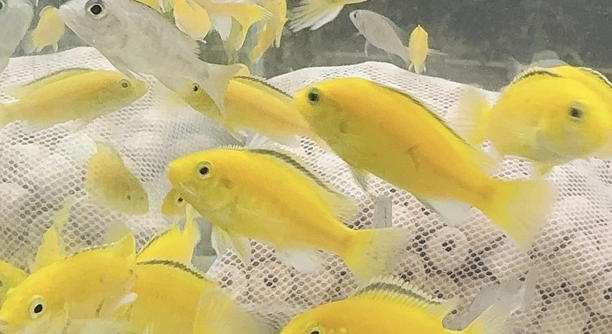
Do you ever find yourself watching your African cichlids and wondering if there’s more going on behind those colorful eyes?
African cichlids display advanced behaviors such as problem-solving, social recognition, and learning through observation. These traits suggest a notable level of intelligence among fish species, supported by both anecdotal evidence and controlled scientific research.
From their territorial habits to unique parenting skills, there’s much to explore about how smart these fascinating freshwater fish truly are.
Signs of Intelligence in African Cichlids
African cichlids show many behaviors that point to intelligence. They can recognize other fish, remember social hierarchies, and respond to changes in their environment. Some species build nests or shelters, showing planning and intention. Others care for their young in complex ways, like mouthbrooding, where the parent protects the babies in their mouth until they are ready. These fish also engage in strategic behavior, such as feigning weakness to attract mates or confuse predators. In aquariums, they can learn routines, recognize their caretakers, and even respond to feeding times. These actions suggest more than simple instincts.
They also adapt quickly to new surroundings, which helps them survive in changing environments and in captivity.
Their ability to learn by observing others adds another layer to their intelligence. When one fish figures out a food source, others often follow, showing that they learn through watching rather than trial and error.
How They Compare to Other Fish
African cichlids often stand out when compared to other freshwater fish. Their problem-solving skills, memory, and social behaviors are more developed than many species commonly kept in tanks.
In scientific studies, cichlids have shown the ability to distinguish between different shapes, colors, and even numbers. For example, some tests involved teaching fish to associate a specific color with food. Cichlids often performed better than expected, quickly learning and remembering which cues led to rewards. In social situations, they can assess dominance and avoid conflict when needed, which shows a level of emotional control and awareness. While goldfish and bettas also show signs of learning, they don’t exhibit the same range of behaviors as cichlids. This makes African cichlids a unique case in fish intelligence. Their advanced traits may be a result of the competitive and diverse environments they come from, especially in African rift lakes where survival often depends on quick learning and strong social interaction.
Training and Learning Abilities
African cichlids can be trained using basic methods like food association and repetition. They quickly recognize feeding routines and respond to specific actions, such as tapping on the glass or using hand signals during feeding times.
Their learning ability goes beyond routines. In controlled studies, cichlids have been taught to navigate mazes and remember escape routes, showing spatial awareness. Some even respond differently to visual cues, such as patterns or colors linked to rewards. This kind of learning isn’t common in all fish, making cichlids stand out. In aquariums, owners often report that their cichlids recognize them and react to their presence. This consistent behavior suggests both memory and recognition. Over time, they adapt to changes, like new tank mates or rearranged environments, without becoming overly stressed. These patterns show strong learning ability, especially when reinforced through daily habits and consistent interaction.
Their reactions also show decision-making. When faced with a challenge, they often try multiple approaches until one works, a sign of problem-solving. Some even wait for the right moment to act, rather than reacting right away. This kind of behavior shows that they aren’t simply responding to instinct. Instead, they learn from their surroundings, adjust based on outcomes, and remember what works best in the future.
Social Interaction and Communication
African cichlids form clear social groups and follow a social structure. They use body movements and color changes to communicate dominance, mating readiness, and aggression.
Some cichlid species even have complex mating rituals involving signals that must be correctly understood by both fish. If a signal is misread, the interaction often stops, which shows a need for precise communication. They also display cooperative behaviors, such as guarding shared spaces or taking turns in parental care. In a shared tank, their social balance becomes clear—dominant fish set boundaries while others follow the order. When a new fish is added, they often pause and reassess before reacting, which helps reduce conflict. These small pauses suggest awareness of group dynamics and a memory of past interactions. Over time, cichlids settle into stable roles that aren’t easily disrupted. This level of coordination reflects more than instinct—it suggests understanding and adjustment based on ongoing group interactions.
Environmental Awareness
African cichlids respond quickly to changes in their surroundings. If something is added to the tank or the setup is rearranged, they inspect it carefully and adjust their behavior based on the new layout.
They also react to changes in lighting, movement, and water flow. This shows sensitivity and awareness beyond simple instinct.
Memory and Recognition
Cichlids remember specific locations, routines, and even individuals. They often recognize their keepers and may react differently to strangers. This memory helps them avoid past stressors, find food sources more easily, and settle into consistent daily behaviors that reflect familiarity with their environment.
FAQ
Are African cichlids really smart compared to other fish?
Yes, African cichlids show more complex behaviors than many fish species. Their ability to solve problems, recognize individuals, and remember routines sets them apart. Compared to common aquarium fish, cichlids demonstrate advanced learning and social interaction, which points to higher intelligence levels.
Can African cichlids learn tricks or routines?
They can learn simple routines, especially when feeding is involved. Many owners notice their cichlids respond to hand signals or tapping on the tank. These fish learn to associate certain actions with food and adjust their behavior accordingly, showing their capacity for learning.
How do African cichlids communicate with each other?
Cichlids use body language and color changes to communicate. They show aggression, submission, and mating readiness through postures and shifting colors. Their social communication is important for maintaining hierarchy and reducing conflict within groups.
Do cichlids recognize their owners?
Cichlids appear to recognize their keepers by sight and routine. They often swim toward familiar faces or respond faster when their usual caretaker approaches. This recognition is linked to their memory and learning abilities.
What types of problem-solving can African cichlids do?
They can navigate mazes, find hidden food, and adjust strategies when faced with obstacles. Their problem-solving shows flexibility and patience, indicating they do more than react purely on instinct.
How do cichlids show memory?
Cichlids remember tank layouts, feeding schedules, and social ranks. They avoid areas where they faced threats and return to places that provided food or safety. This spatial and event memory helps them survive and thrive.
Do African cichlids have social structures?
Yes, they maintain clear social hierarchies. Dominant fish control territory, while others respect these roles. This structure helps reduce fighting and keeps the group stable. Social roles are remembered and adjusted as needed.
Can cichlids learn by watching other fish?
They do learn through observation. If one fish finds food or a new hiding spot, others often follow. This shows social learning, which is more advanced than simple trial and error.
How important is the environment for cichlid intelligence?
A stimulating environment supports their cognitive abilities. Tanks with hiding places, varying structures, and opportunities for exploration help keep them mentally active. Boredom or a dull setup can reduce their natural behaviors.
Are all African cichlid species equally intelligent?
No, intelligence levels vary across species. Some cichlids have more complex social behaviors and learning abilities than others, often related to their natural habitat and survival needs.
Do cichlids show emotions like stress or curiosity?
They display signs of stress and curiosity through changes in behavior and color. Stress may cause hiding or dull colors, while curiosity leads to active exploration of new objects or changes in the tank.
Is it possible to train cichlids beyond feeding routines?
Yes, with patience, they can learn to respond to specific signals or perform simple tasks. However, their training potential is limited compared to mammals or birds, but still impressive for fish.
How long do cichlids remember things?
Studies suggest cichlids can remember routines and social interactions for weeks or longer. Their long-term memory supports social structure and survival.
Can African cichlids adapt to new tank mates?
They usually assess new fish carefully, adjusting their behavior over time. Proper introduction and enough space help reduce aggression and support peaceful adaptation.
Do cichlids need mental stimulation?
Yes, mental stimulation is important for their health. New objects, rearranged decor, and varying feeding methods keep them engaged and encourage natural problem-solving behaviors.
African cichlids are clearly more than just colorful fish swimming in a tank. Their behaviors show a level of intelligence that is quite interesting to observe. They can learn from their environment, recognize other fish and even their owners, and solve problems in ways that many people might not expect from fish. This intelligence comes from both their natural instincts and their ability to adapt to new situations. Watching them navigate their tank, interact with each other, and respond to changes reveals a surprising depth to their behavior.
Their social interactions add another layer to their intelligence. African cichlids do not just live alongside each other; they form clear social structures. Dominance, communication through body language, and cooperation in some species show that these fish understand their place in the group and adjust their actions accordingly. This kind of social behavior requires memory, recognition, and a degree of planning. It also helps maintain balance within the tank, reducing unnecessary conflict and supporting survival. These patterns of interaction show that African cichlids are more complex than many other fish species.
Overall, African cichlids stand out for their combination of learning ability, social skills, and environmental awareness. Keeping them in a well-structured and stimulating environment allows these traits to develop and shine. Their intelligence may not be like that of mammals or birds, but it is significant within the fish world. Understanding this can improve how we care for them and appreciate their unique qualities. African cichlids are a reminder that intelligence can take many forms, even in creatures we might not immediately consider smart.

Hello,
If you enjoy the content that we create, please consider saying a "Thank You!" by leaving a tip.
Every little bit helps us continue crafting quality advice that supports the health, happiness, and well-being of pets around the world, for pets of all shapes, sizes, and species.
We really appreciate the kindness and support that you show us!