
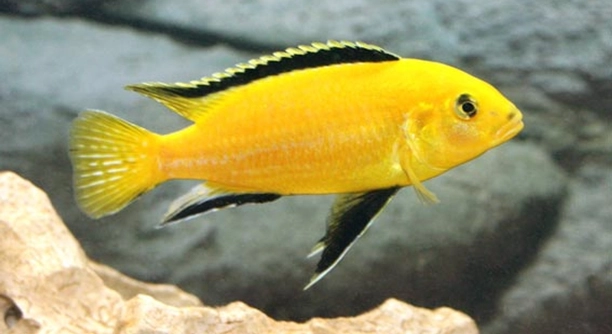
Is your cichlid showing less interest in food than usual, leaving you concerned about its health and overall well-being in the tank?
The most common causes of poor cichlid appetite include stress, poor water quality, inappropriate tank mates, and an unbalanced diet. Simple environmental adjustments, dietary improvements, and routine tank maintenance can significantly improve your cichlid’s feeding behavior and health.
Understanding these causes and applying targeted solutions can make a big difference in your cichlid’s appetite and daily activity.
Check Water Quality First
Poor water conditions are one of the most common reasons for appetite loss in cichlids. Ammonia, nitrite, and high nitrate levels can all stress your fish and lead to reduced feeding. Start by testing your tank water with a reliable aquarium test kit. Make sure your ammonia and nitrite levels are at zero, and keep nitrates below 20 ppm. Regular weekly water changes of 25–30%, along with proper filtration, help maintain stable parameters. Temperature should remain between 75–82°F, depending on the cichlid species. Sudden changes in temperature or pH can also cause stress and reduce appetite, so stability is key.
Water that is not clean or stable creates stress. When fish are stressed, they stop eating. Start here first.
Keeping your water clean doesn’t require anything complicated. Use a good filter, do regular water changes, and monitor your water conditions weekly. A clean tank supports healthy fish with consistent feeding patterns.
Offer a More Varied Diet
Many cichlids become bored with the same food. Offering different types of food can make a noticeable difference in how much they eat.
Cichlids need a mix of proteins, vegetables, and occasional treats to stay healthy and interested in eating. Try alternating high-quality pellets with frozen or live foods like brine shrimp, daphnia, or bloodworms, depending on the species. For herbivorous types, include blanched vegetables such as zucchini or spinach. Avoid overfeeding or feeding only one type of food every day. Uneaten food quickly pollutes the tank and reduces water quality, which further affects appetite. Feeding once or twice daily in small amounts that are consumed within a few minutes is enough. Observe which foods your fish react to best and keep track of preferences. A varied diet not only improves their appetite but also supports vibrant colors and activity. Consistent changes in food, while keeping the nutritional balance in mind, can bring noticeable improvements.
Reduce Tank Aggression
Aggressive tank mates can cause stress and reduce your cichlid’s appetite. If your fish is constantly hiding or getting chased, it won’t feel safe enough to eat regularly.
Aggression is common among cichlids, especially in overcrowded tanks or when territories are not clearly defined. Rearranging decorations, adding more hiding spots, and reducing the number of dominant fish can help. Sometimes, separating aggressive individuals is necessary. Watch for signs like torn fins, faded colors, or fish refusing to leave corners. These signs often mean one fish is being bullied. Use dividers if needed to reduce direct contact. Maintaining a proper male-to-female ratio also helps. Less stress from tankmates allows your fish to feel safe and focus on feeding again. A peaceful environment makes a noticeable difference in eating habits and general activity.
Feeding time should be calm. If your cichlid is distracted by others, it won’t eat well. Control aggression to support healthy feeding.
Stick to a Feeding Schedule
Irregular feeding times can confuse your cichlid and affect appetite. A stable feeding routine helps the fish recognize when it’s time to eat, reducing stress. Feed once or twice daily, ideally at the same time each day.
A predictable routine gives your fish a sense of security. Wild cichlids eat based on natural rhythms, and tank-raised ones can benefit from similar consistency. Avoid skipping meals or feeding randomly throughout the day. If you’re adjusting the diet or introducing new food, stick to the schedule while making slow changes. This helps your fish stay confident about when to expect food, which can improve response at feeding time. Keeping feeding times short and consistent helps prevent overfeeding and keeps uneaten food from polluting the tank. Over time, your cichlid may begin to recognize you during feeding hours and respond more actively. Regular feeding also supports stable digestion and better nutrient absorption.
Monitor for Illness
Sick cichlids often lose interest in food. Look for symptoms like white spots, cloudy eyes, bloated bellies, or ragged fins. Sudden changes in behavior, like hiding more or swimming oddly, can also be early signs of illness.
Start treatment quickly if illness is suspected. Use a quarantine tank for medication, and always check water quality first.
Avoid Overfeeding
Feeding too much can reduce appetite over time. Uneaten food sinks, breaks down, and affects water quality, which makes fish feel unwell. Stick to small portions your cichlid can finish in under three minutes.
Check for Breeding Behavior
Cichlids often stop eating when preparing to breed or caring for eggs. This is normal and usually temporary. Watch for digging, guarding, or mouthbrooding as possible signs.
FAQ
Why is my cichlid not eating but still active?
If your cichlid is swimming normally but refusing food, it could be due to stress, environmental changes, or recent relocation. Even slight disruptions like water changes or tank rearrangement may cause temporary appetite loss. Monitor water quality and tank behavior closely. Appetite usually returns once the fish feels stable again.
How long can cichlids go without eating?
Healthy adult cichlids can go without food for up to a week, sometimes longer, without serious harm. However, this should not be routine. Extended fasting may point to stress, illness, or water problems. Young or sick fish should not be left without food for long, as they need consistent nutrition to stay healthy.
Can poor lighting affect appetite?
Yes, lighting affects feeding habits. Too much light can make cichlids feel exposed, while too little can disrupt their natural rhythm. Aim for 8–10 hours of moderate lighting per day. Use a timer to maintain consistency, as sudden lighting changes can cause stress and lower feeding responses.
Do cichlids eat less after a tank transfer?
Yes, moving cichlids to a new tank often leads to appetite loss. It’s a natural reaction to unfamiliar surroundings. Give them time to adjust. Keep the lighting soft, avoid loud noises, and maintain stable water parameters. Feeding may resume in a few days once they feel secure again.
What signs show my cichlid is ready to eat again?
Increased swimming, exploring the tank, and approaching the glass when you enter the room often mean your cichlid is regaining interest in food. They may also begin investigating the water surface during feeding times. These behaviors show the fish is relaxed and feeling safe enough to eat.
Is it okay to feed live food to stimulate appetite?
Yes, live food like brine shrimp or bloodworms can help spark interest in feeding, especially in picky or stressed fish. Use live food in moderation to avoid overfeeding or introducing unwanted bacteria. It’s also important to balance live foods with pellets or vegetables, depending on the species.
Should I change the food brand if my cichlid stops eating?
You can try a new brand, but make sure it suits your cichlid’s dietary needs. Some fish prefer certain pellet textures or flavors. Test small amounts of different foods to see which is accepted. Avoid switching too often, though, as that can add more stress and confusion.
Why does my cichlid spit out food?
Spitting food out doesn’t always mean rejection. Cichlids often break up pellets or test food before swallowing. If it keeps happening, the food might be too large, too hard, or unfamiliar. Try soaking dry pellets briefly or offering smaller pieces to make them easier to eat.
Can tank mates affect appetite even if there’s no fighting?
Yes, subtle stress can still occur even without clear aggression. A dominant fish may intimidate others just by its presence or posture. Some cichlids stop eating simply because they don’t feel comfortable competing for food. Watch interactions closely and consider separating fish if one always eats first.
How can I tell if poor appetite is due to breeding?
Breeding behavior includes digging, pairing off, or guarding a certain area. Mouthbrooding species may stop eating entirely while carrying eggs. If appetite drops suddenly and you notice protective behavior, your fish may be breeding. This is natural, and feeding typically resumes afterward without intervention.
Final Thoughts
Helping your cichlid regain its appetite doesn’t have to be difficult. Most of the time, small changes can make a big difference. Start with the basics—clean water, calm surroundings, and a proper feeding routine. These things may seem simple, but they create the foundation for your cichlid’s health. When something feels off, try to observe your fish closely. Their behavior often shows you what they need. Whether it’s hiding, spitting out food, or avoiding certain areas of the tank, these little signs can guide your next step. By paying attention, you’re more likely to catch small issues before they become big ones.
Stress is a major reason cichlids lose their appetite, and stress can come from many places. Water problems, aggressive tank mates, loud noises, or even sudden lighting changes can throw them off. Once you find the cause, focus on giving your fish time to adjust. Keep things stable and avoid making too many changes at once. Also, don’t be afraid to adjust their diet. Like people, cichlids can grow tired of eating the same thing every day. Try mixing up their meals with high-quality pellets, frozen treats, or blanched vegetables. Just be sure not to overfeed. Small portions fed consistently are better than offering too much at once.
If your cichlid still refuses to eat after trying all the usual steps, it’s okay to look deeper. Illness or breeding behavior can also lead to temporary appetite loss. In these cases, give your fish some extra care and patience. Use a quarantine tank if needed, treat any illness early, and let breeding cycles run their course. Most of the time, your cichlid will bounce back with the right support. The goal is to create a calm, steady environment that allows your fish to feel secure and ready to eat. Regular care, attention to detail, and small adjustments often lead to big improvements. With time and consistency, your cichlid’s appetite can return, and you’ll see them become more active and confident in the tank again.

Hello,
If you enjoy the content that we create, please consider saying a "Thank You!" by leaving a tip.
Every little bit helps us continue crafting quality advice that supports the health, happiness, and well-being of pets around the world, for pets of all shapes, sizes, and species.
We really appreciate the kindness and support that you show us!