
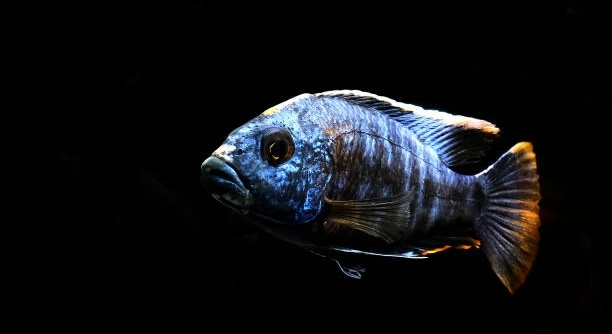
Cichlids are popular aquarium fish known for their bright colors and unique behaviors. Many fishkeepers enjoy raising them, but sometimes cichlids don’t grow as expected. Recognizing when a cichlid is stunted helps ensure their proper care and health.
A cichlid is considered stunted when its growth is noticeably slower or smaller than normal for its species and age. This can result from poor water quality, inadequate diet, overcrowding, or genetic factors that limit development. Identifying stunted growth early can prevent long-term health problems.
Understanding how to spot signs of stunting can improve your fish’s well-being. Paying attention to size, behavior, and environment will guide you in providing better care for your cichlid. This knowledge is important for any fishkeeper wanting healthy, thriving pets.
Signs of a Stunted Cichlid
One clear sign of a stunted cichlid is its small size compared to other fish of the same species and age. These fish often look underdeveloped, with shorter fins and a thinner body. Behavior can also change; stunted cichlids may be less active or hide more often. Their colors might appear dull or faded, which can be a sign of poor health. Sometimes, stunted fish have trouble competing for food, which worsens their growth problems. Water quality plays a big role—if the tank isn’t clean or well-maintained, it can stress the fish and slow their development. Overcrowding is another issue, as too many fish in a small space limit growth. Nutrition also matters; cichlids need a balanced diet to grow properly. Paying attention to these signs early helps prevent long-term problems and improves your fish’s chances for a healthier life.
Stunted cichlids are smaller, less colorful, and may act unusually shy or inactive compared to healthy fish.
Watching how your fish behaves and looks is key to spotting growth issues early on. Regular tank checks help maintain a good environment for healthy development.
Causes of Stunted Growth in Cichlids
Poor water conditions can slow cichlid growth. High levels of ammonia, nitrites, or nitrates harm fish health. Frequent water changes and proper filtration keep the tank safe. Overcrowding stresses fish and limits their space to grow. Feeding an unbalanced diet lacking essential nutrients also leads to stunting. Cichlids need a mix of protein, vitamins, and minerals to develop well. Sometimes, genetics play a role; a fish might inherit a tendency for slower growth. Disease and parasites can also affect size and health, especially if untreated. Stress from aggressive tank mates or constant fighting lowers immune response and energy for growth. Maintaining a stable environment with clean water, appropriate population size, and a nutritious diet supports normal growth. Identifying and addressing these factors improves your cichlid’s chances of thriving in captivity.
How to Prevent Stunting in Cichlids
Keeping water clean is essential. Regular water changes and proper filtration reduce harmful toxins that stunt growth. Avoid overcrowding by giving your cichlids enough space to swim and grow.
Feeding the right diet helps prevent stunting. Provide a balanced mix of high-quality pellets, frozen, or live foods. Variety ensures your cichlids get all the nutrients they need. Overfeeding can cause water issues, so feed in small amounts multiple times a day. Monitor their behavior and growth regularly to catch any signs of stress or illness early.
Maintaining stable water parameters is also key. Keep temperature, pH, and hardness within the recommended range for your cichlid species. Sudden changes in these conditions cause stress, which can slow growth. Proper care and attention create an environment where your cichlids can grow to their full potential.
What to Do If Your Cichlid Is Stunted
First, improve water quality with frequent changes and a strong filtration system. Test water regularly to ensure safe levels of ammonia, nitrites, and nitrates.
Next, adjust the tank setup. Reduce overcrowding by moving some fish to another tank or lowering the population. Provide hiding spots to reduce stress caused by aggression. Review their diet and switch to nutrient-rich foods designed for cichlids. Avoid cheap flakes or fillers lacking essential nutrients.
Finally, watch your fish carefully. If stunting continues despite improvements, consider consulting a vet or aquatic specialist. Early action can prevent more serious health issues and help your cichlid regain better growth and vitality.
Common Mistakes That Lead to Stunting
Overcrowding is a frequent issue. Many tanks hold more fish than they should, limiting growth space.
Ignoring water quality also causes problems. Without regular testing and cleaning, toxins build up and harm cichlids.
Choosing the Right Tank Setup
A tank size appropriate for your cichlid species is crucial. Larger tanks allow better swimming space and help maintain stable water conditions. Use a reliable filter to keep water clean and add plants or decorations for hiding spots. These reduce stress and aggression, which supports healthy growth. Proper lighting and maintaining consistent temperature also contribute to your cichlid’s well-being. A well-planned setup helps prevent stunting by creating an ideal environment.
When to Seek Professional Help
If growth problems persist despite good care, consult an aquatic veterinarian or fish expert.
FAQ
How can I tell if my cichlid is stunted or just small?
Stunted cichlids are noticeably smaller than average for their species and age. They often have thin bodies, shorter fins, and dull colors. A healthy small cichlid will look proportionate and active. Comparing your fish to size charts or similar-aged cichlids can help you spot stunting. Also, stunted fish may behave differently, such as hiding more or showing less energy.
Can stunted cichlids recover and grow normally?
Sometimes, yes. If the cause of stunting is fixed early—like improving water quality, diet, and tank conditions—the fish may catch up in growth. However, long-term stunting can cause permanent health issues, and some fish may never fully recover their size. Consistent care is important to give them the best chance to improve.
What are the most common causes of cichlid stunting?
Poor water quality, overcrowding, and improper nutrition are the main causes. Stress from aggressive tank mates or sudden changes in the tank environment also contributes. Genetics and disease can play a role but are less common. Monitoring tank conditions and fish behavior regularly helps prevent these problems.
How often should I change the water to prevent stunting?
Regular water changes are vital. Changing 20-30% of the water every week is a good rule. This helps keep toxins low and maintains stable water parameters. More frequent changes may be needed in crowded or heavily stocked tanks. Always treat new water to remove chlorine or chloramine before adding it.
What diet is best to support healthy growth in cichlids?
A balanced diet with quality pellets designed for cichlids, combined with occasional live or frozen foods like brine shrimp or bloodworms, works well. Variety ensures they get proteins, vitamins, and minerals. Avoid overfeeding, which can pollute the tank and harm fish health.
Can genetics cause stunting in cichlids?
Yes, genetics can influence growth rates. Some fish may naturally grow slower or smaller due to inherited traits. However, this is less common than environmental factors. Even genetically smaller fish need proper care to reach their potential size.
How does overcrowding lead to stunted growth?
Too many fish in a tank increase competition for food and space. Stress from fighting or hiding lowers immune function and growth hormones. Overcrowding also causes poor water quality due to excess waste. Providing enough room and hiding spots reduces stress and supports growth.
Are there signs of illness linked to stunting?
Yes. Illnesses and parasites can stunt growth by reducing appetite and energy. Look for abnormal swimming, spots, faded colors, or visible parasites. Treating diseases quickly can prevent further damage and help fish regain health.
Is stunting reversible if I fix the tank conditions?
Partially. Early intervention can improve growth, but some effects might be permanent if stunting lasts too long. Consistently good care improves your cichlid’s overall health and quality of life, even if full growth isn’t restored.
Should I separate a stunted cichlid from other fish?
Separating stressed or aggressive fish can reduce competition and allow better feeding opportunities. If your cichlid is bullied or hiding too much, a separate tank or divider helps reduce stress, which supports recovery and growth.
How long does it take to see improvement after fixing stunting causes?
Improvement can take weeks to months. Growth is slow and steady, so patience is important. Keep conditions stable and monitor your fish regularly. Healthy eating and a calm environment speed up recovery.
Can tank decorations help reduce stress in cichlids?
Yes. Plants, rocks, and hiding places create safe spots, reducing aggression and stress. This helps your fish feel secure and promotes better growth. Make sure decorations don’t overcrowd the tank but provide enough shelter.
Is it possible for a cichlid to outgrow stunting naturally?
Natural growth is limited if conditions stay poor. Without changes in water quality, diet, or space, stunting usually continues or worsens. Improving the environment gives the best chance for your cichlid to reach its potential size.
What water parameters are ideal for most cichlids to avoid stunting?
Most cichlids thrive in temperatures between 75–82°F (24–28°C), a pH of 6.5–8.0, and moderate hardness. Keeping these stable reduces stress. Regular testing is necessary to maintain a healthy environment for growth.
Can I use supplements to help my cichlid grow?
Some supplements can aid health, such as vitamin-enriched foods or additives for immune support. However, they don’t replace good tank care and nutrition. Use supplements carefully and follow product instructions to avoid overdosing.
Is stunting more common in certain cichlid species?
Stunting can affect any cichlid but is more common in species that grow large or are kept in small tanks. Species like Oscars and Jack Dempseys require larger tanks to avoid stunting. Research your cichlid’s needs before setting up the tank.
Caring for cichlids can be very rewarding, but it requires attention to their growth and overall health. Stunted growth is a sign that something in their environment or care is not ideal. It’s important to recognize the early signs of stunting, such as smaller size, dull colors, or unusual behavior, so you can make changes quickly. This helps prevent long-term health issues and supports your fish’s wellbeing. Regular observation of your cichlid and its tank conditions is the best way to catch problems before they worsen.
Maintaining good water quality is one of the most important steps to avoid stunting. Changing the water regularly, testing for toxins, and using a reliable filter create a clean and stable environment. Proper tank size and avoiding overcrowding also give your cichlids the space they need to grow. Feeding a balanced diet with the right nutrients supports healthy development and vibrant colors. By paying close attention to these basics, you can create conditions that allow your cichlids to thrive and grow naturally.
If you notice signs of stunting, act quickly by improving tank conditions, adjusting the diet, and reducing stress factors like aggressive tank mates or overcrowding. Some cichlids can recover and catch up in growth when their environment improves. However, some damage might be permanent if the problem lasts too long. When in doubt, seeking advice from a fish specialist or veterinarian can help. With proper care, patience, and attention, your cichlids will have the best chance at a healthy and full life.

Hello,
If you enjoy the content that we create, please consider saying a "Thank You!" by leaving a tip.
Every little bit helps us continue crafting quality advice that supports the health, happiness, and well-being of pets around the world, for pets of all shapes, sizes, and species.
We really appreciate the kindness and support that you show us!