
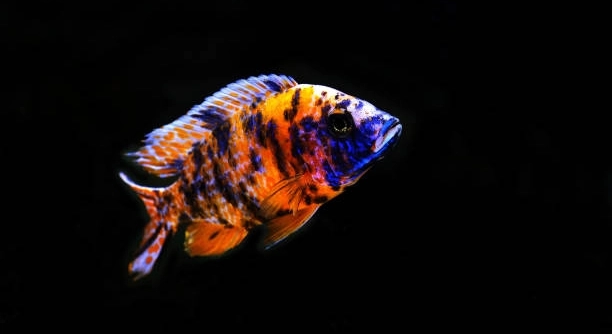
Cichlids are popular freshwater fish that many people enjoy keeping in home aquariums. These colorful fish can sometimes show signs of distress or illness, which may be easy to overlook. Knowing what to watch for can help ensure your cichlid stays healthy and happy.
Recognizing when a cichlid needs help involves identifying behavioral, physical, and environmental indicators. Key signs include changes in appetite, unusual swimming patterns, discoloration, clamped fins, rapid breathing, spots or lesions, and altered social behavior. Early detection allows timely intervention to improve fish welfare.
Learning to spot these indicators early can prevent serious health problems. This article highlights the seven most important signs to monitor for your cichlid’s well-being.
Changes in Appetite
A sudden loss of appetite is one of the clearest signs that your cichlid may need help. Healthy cichlids typically eat regularly and show interest in food. If your fish begins to refuse food or eats much less than usual, this can indicate stress, illness, or poor water conditions. Several factors might cause appetite changes, including infections, parasites, or changes in tank parameters like temperature or pH. It’s important to observe your cichlid’s feeding behavior closely. If appetite loss lasts more than a day or two, it may be time to test the water and consider treatment options. Keeping a feeding schedule helps detect these changes early. Monitoring appetite alongside other behaviors gives a clearer picture of your fish’s health.
Loss of appetite may be the first visible sign of distress in your cichlid. Early attention can prevent worsening health problems.
Appetite is linked to overall well-being. When a cichlid stops eating, it may become weak and vulnerable to disease. Keeping water quality high and addressing illness promptly helps your fish recover more quickly and avoid complications.
Unusual Swimming Patterns
Unusual swimming, such as erratic movements, swimming sideways, or staying at the bottom, often indicates that your cichlid is struggling. This behavior can result from poor water quality, infections, or physical injuries. In a healthy state, cichlids swim smoothly and maintain their balance. When balance is affected, the fish may float abnormally or appear disoriented. Observing these changes early is crucial because they often signal internal problems that need immediate attention. Testing water parameters like ammonia, nitrite, nitrate, and pH can identify environmental causes. Treating infections or adjusting the tank conditions can help restore normal swimming behavior. Keeping the tank clean and stable reduces the chance of these issues developing. Regular observation is key to catching swimming problems before they worsen.
Discoloration and Spots
Discoloration or unusual spots on your cichlid’s body often signal health problems. These changes might appear as faded colors, dark patches, or white spots. Such symptoms are commonly linked to infections or poor water conditions.
Faded colors can result from stress or illness. Parasites like ich cause white spots, which can spread quickly if untreated. Bacterial or fungal infections may cause red or dark patches on the skin or fins. These issues often worsen if water quality is not optimal. Regular water changes and proper filtration are essential to keep your tank healthy. If you notice spots, quarantine the affected fish and seek appropriate treatment to prevent spreading.
Spots and discoloration can also result from physical damage caused by tank decorations or aggressive tank mates. Watch your cichlid’s behavior closely to rule out bullying or injuries. Identifying the cause early helps avoid permanent damage or death.
Clamped Fins and Rapid Breathing
Clamped fins, where the fish holds its fins close to the body, are a common sign of distress. This behavior often indicates poor water quality or illness and reduces the fish’s ability to swim properly.
Rapid breathing signals that your cichlid might be struggling to get enough oxygen. It can result from low oxygen levels in the water or gill infections. Both clamped fins and rapid breathing suggest your fish is under stress, which weakens its immune system. Testing water for ammonia, nitrites, and oxygen levels is critical when these symptoms appear. Correcting water parameters often leads to improvement, but if symptoms persist, medical treatment might be needed. Monitoring these signs closely ensures your cichlid gets timely care.
Changes in Social Behavior
Cichlids are usually social and interactive with tank mates. If yours suddenly becomes withdrawn or overly aggressive, it may be a sign of stress or illness.
Isolation or hiding for long periods can indicate discomfort or fear. Aggression may also increase if the fish is unwell.
Lesions or Open Wounds
Open wounds or lesions on your cichlid’s body require immediate attention. These can result from infections, injuries, or parasites. Keeping the water clean and avoiding sharp decorations helps prevent wounds. Treating affected fish promptly reduces the risk of serious infections and promotes healing.
Lethargy and Reduced Activity
When your cichlid shows low energy and spends most of its time resting, this can indicate illness or poor water conditions. Lethargy reduces feeding and normal behaviors, so it’s important to monitor closely and improve tank conditions.
FAQ
How can I improve my cichlid’s appetite?
Loss of appetite often points to stress or poor water quality. Check the tank’s temperature, pH, and cleanliness. Feeding a varied diet with high-quality pellets and occasional live or frozen food can stimulate interest. Avoid overfeeding, which can worsen water conditions and discourage eating. Consistency in feeding times also helps maintain a healthy appetite.
What should I do if my cichlid shows unusual swimming patterns?
First, test your water parameters for ammonia, nitrites, nitrates, and pH levels. Poor water quality often causes balance problems. Make sure the tank is well-aerated and free of toxins. If water conditions are fine, consider if the fish has any physical injuries or signs of disease. Isolating the affected cichlid and seeking veterinary advice may be necessary.
Why does my cichlid have faded colors or spots?
Fading or spots often indicate stress, infections, or parasites. White spots can be caused by ich, while dark patches may signal fungal or bacterial infections. Check the water quality and maintain good hygiene in the tank. Treat infections promptly with recommended medications and improve tank conditions to support healing.
How do I handle clamped fins and rapid breathing?
Clamped fins and rapid breathing usually signal poor water conditions or illness. Improve water quality by performing partial water changes and ensuring proper filtration. Check oxygen levels; adding an air stone can help. If symptoms persist, medicated treatments may be required to address bacterial or parasitic infections.
Can changes in social behavior be a sign my cichlid needs help?
Yes, sudden withdrawal or increased aggression can indicate illness or stress. These behaviors often appear when a fish feels unwell or threatened. Make sure the tank environment suits all inhabitants and monitor interactions. Separating aggressive fish may reduce stress and prevent injuries.
What causes lesions or open wounds on cichlids?
Lesions often result from fights, injuries on sharp tank decorations, or infections. Poor water quality worsens wound healing. Remove any objects that could harm your fish and keep the tank clean. Treat wounds with appropriate medications to prevent secondary infections.
Why is my cichlid lethargic?
Lethargy usually signals health problems or unsuitable tank conditions. Check water parameters and improve tank cleanliness. Low oxygen, extreme temperatures, or illness can reduce activity. Ensure your cichlid’s diet is balanced and consistent. Persistent lethargy requires veterinary attention for proper diagnosis.
How often should I check my aquarium’s water quality?
Regular testing, at least once a week, helps detect problems early. Monitor ammonia, nitrites, nitrates, pH, and temperature. Frequent partial water changes and proper filtration maintain a healthy environment for your cichlid, preventing many health issues.
Is it necessary to quarantine new fish before adding them to the tank?
Yes, quarantining new fish for 2 to 4 weeks helps prevent spreading diseases to your existing fish. It allows you to observe and treat any health issues before introducing new cichlids to the main tank.
What are the best treatments for common cichlid illnesses?
Treatment depends on the diagnosis. Parasites like ich require antiparasitic medications. Bacterial infections often need antibiotics. Always follow product instructions and isolate sick fish to avoid spreading disease. Improving tank conditions supports recovery. Consult an aquatic veterinarian when unsure.
Caring for cichlids requires attention to many small details that affect their health and happiness. Recognizing the signs that your fish may need help is important for preventing serious problems. Changes in behavior, appearance, or activity often indicate that something is wrong. Early detection and prompt action can make a big difference in your cichlid’s recovery and overall well-being. Regular monitoring of your fish helps you catch problems before they become severe, which makes caring for them easier and more effective.
Maintaining a clean and stable environment is one of the best ways to keep your cichlid healthy. Water quality plays a crucial role in their health, so frequent testing and water changes are essential. Proper filtration, appropriate temperature, and balanced pH levels help create a comfortable habitat for your fish. Additionally, a good diet tailored to cichlids’ needs supports their immune system and energy levels. Paying attention to these basics can prevent many common illnesses and stress factors that lead to health issues.
When signs of illness or distress appear, it is important to act quickly but calmly. Isolating the affected fish, testing water conditions, and using appropriate treatments when necessary can improve outcomes. Seeking advice from experienced aquarium keepers or aquatic veterinarians is helpful for diagnosing and managing complex issues. Remember, patience and consistency are key when helping a sick cichlid recover. With proper care and attention, your fish can return to a healthy and active life, bringing long-term enjoyment to your aquarium.

Hello,
If you enjoy the content that we create, please consider saying a "Thank You!" by leaving a tip.
Every little bit helps us continue crafting quality advice that supports the health, happiness, and well-being of pets around the world, for pets of all shapes, sizes, and species.
We really appreciate the kindness and support that you show us!