
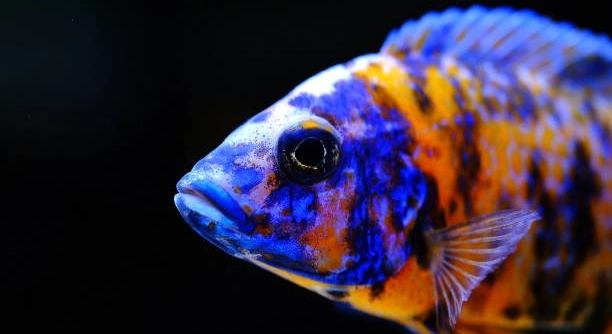
Have you ever added a new fish to your tank only to find the others acting strange or aggressive toward it? Introducing fish to an existing group can sometimes be tricky, especially when it comes to cichlids.
Introducing a lone cichlid to a group can be done, but it requires careful planning, monitoring, and a good understanding of the species’ temperament. Without these precautions, the new fish may be attacked or overly stressed.
Understanding the steps involved in introducing a new cichlid can help you avoid common mistakes and ensure a smoother transition for all your fish.
Why Cichlids Are Different from Other Fish
Cichlids are not like most community fish. They are territorial, often aggressive, and very aware of changes in their environment. Some types are more social than others, but even the calmer ones can act out when a new fish is introduced. Their behavior depends on things like tank size, hiding spots, and how established the group is. If a cichlid has claimed an area as its own, it may attack anything it sees as a threat. This makes adding a new fish risky without the right setup. Tank conditions need to support the change, and timing also plays a big role. Adding a lone cichlid without preparation could lead to stress or injury, not just for the new one but for the others too. That’s why understanding their behavior and needs before you act is important if you want to keep the peace in your tank.
A calm tank doesn’t just happen by chance. Cichlids need clear boundaries, enough space, and proper hiding spots to stay balanced.
These fish also form social hierarchies. A new cichlid may be seen as a threat to the current order, which can cause the group to react harshly. Watching for early signs of stress or aggression helps prevent things from escalating too far.
Preparing the Tank for a New Cichlid
Start by rearranging decorations in the tank before adding the new cichlid. This breaks up old territories and reduces the chance of aggressive behavior.
Make sure the tank is large enough to support another fish. A crowded space leads to more tension and less room to hide or escape. Adding rocks, plants, and caves can help create safe zones, especially for the new arrival. It’s also helpful to feed the existing fish just before the introduction. This can distract them and lower the chance of an immediate attack. Choose a time when the tank is calm, and the lights are slightly dimmed. Float the new cichlid in a bag for at least 20–30 minutes to allow it to adjust to the water temperature. After that, gently release it into the tank. Monitor closely for the first few hours and then continue watching for the next couple of days. Some chasing is normal, but constant aggression means it may not be a good fit.
Watching Behavior After Introduction
Once the new cichlid is in the tank, stay close and observe how the group reacts. A little chasing is normal, but if you see biting, cornering, or constant stress, things may need to be adjusted quickly.
Aggression can come in waves, especially during the first 48 hours. If one fish won’t leave the new cichlid alone, consider using a tank divider temporarily. This gives both sides time to adjust without direct contact. Feeding small meals throughout the day can also help redirect attention. Look for signs like torn fins, hiding, or loss of color—these mean the fish is stressed. If possible, provide an escape spot just for the new fish. That way, it has a safe area to retreat when needed. Balance is the goal, but sometimes the personalities just don’t match, and the new fish may need to be rehomed.
Behavior can shift over the next few days as the pecking order adjusts. Don’t assume all is well after just a few hours. Some cichlids are slow to show dominance or discomfort. Keep monitoring the tank during feeding times and when lights go on and off—those are common moments for aggression. If problems continue, removing one fish might be the only solution. Always have a backup plan, like a spare tank or a trusted store that accepts returns. It’s better to be prepared than to risk ongoing stress or injury. Also, resist the urge to add another fish too soon. Let the group settle fully before making more changes. One adjustment at a time keeps things manageable.
When It Might Not Work Out
Some cichlids simply don’t adapt well to changes. If your tank is already at capacity or the existing group is tightly bonded, even a peaceful newcomer might be rejected right away.
In some setups, adding a lone cichlid becomes more of a risk than a benefit. You may notice aggression that won’t stop, even after rearranging decorations and using dividers. If multiple fish are targeting the newcomer or it hides constantly without eating, the stress can lead to illness or death. Removing the new cichlid may be the kindest option in these cases. Compatibility isn’t always guaranteed, even with careful planning. Some owners decide to keep aggressive types in species-only tanks or switch to less territorial fish entirely. It’s okay to admit that not all introductions will succeed. What matters most is the health and safety of every fish in the tank, not forcing something that clearly isn’t working.
Signs the New Cichlid Is Adjusting Well
The new cichlid will begin to explore the tank, eat regularly, and stop hiding as much. These are good signs it feels safe. Occasional chasing may still happen but should not lead to injury or constant stress.
You may also notice it swimming near other fish without being attacked. If it starts claiming a small area of the tank and shows normal colors, it’s likely settling in. Breathing should be steady, and it should react normally to feeding times.
Choosing the Right Cichlid to Add
Picking the right cichlid makes a big difference. Try to match the temperament and size of the new fish with your current group. Avoid mixing overly aggressive types with peaceful ones. It helps to choose a cichlid that is slightly smaller than the others so it’s seen as less of a threat. Quarantine the new fish for at least two weeks before introducing it to the tank. This step helps prevent disease from spreading to your existing fish. Also, research the species you’re adding—some types just don’t do well with others. Patience and planning often lead to better results than rushing into it.
Final Thoughts Before Adding One
Give yourself time to plan every part of the introduction. It’s not just about adding a fish—it’s about keeping peace in your tank.
Can you introduce a lone cichlid to a group without problems?
Introducing a lone cichlid to an existing group is possible but not without challenges. Cichlids are territorial fish, and adding a new one may cause aggression or stress. Careful preparation, such as rearranging the tank decorations and ensuring plenty of hiding spots, can help reduce conflict. Watching their behavior closely after introduction is key. Some chasing is normal, but if fighting or constant harassment happens, you may need to separate the fish or reconsider the mix.
How long should I quarantine a new cichlid before adding it to the group?
Quarantine is essential to protect your current fish from diseases. Ideally, quarantine a new cichlid for at least two weeks in a separate tank with stable water conditions. This period helps reveal any health issues and prevents introducing parasites or infections. During quarantine, feed the fish well and watch for signs like spots, unusual swimming, or loss of appetite. Only add the new cichlid to the main tank once it’s healthy and active.
What tank size is best for adding a new cichlid?
A larger tank helps reduce aggression by giving each fish enough space to claim territory. For a group of cichlids plus one new addition, at least 55 gallons is recommended, depending on the species and number of fish. More room means less competition and stress. If your tank is small or already crowded, adding another fish may lead to fights and injury. Consider upgrading your tank or waiting until there is more space.
Should I rearrange the tank decorations before introducing a new cichlid?
Yes, rearranging rocks, plants, and caves before adding a new cichlid is a smart move. This breaks up existing territories and forces all fish to re-establish their boundaries. It lowers the chance of immediate aggression toward the newcomer because no fish feels like its home is being invaded. Make sure to provide plenty of hiding spots for the new fish to retreat if needed.
What signs show a new cichlid is stressed or being bullied?
Signs of stress or bullying include hiding constantly, loss of appetite, torn fins, faded colors, and rapid breathing. If the new fish is chased frequently or cornered with no chance to escape, this causes severe stress. Watch closely for these signs during the first days after introduction. If they appear, consider separating the new cichlid or giving it a temporary safe space with a tank divider.
Can feeding help reduce aggression when introducing a new cichlid?
Yes, feeding the existing fish just before adding the new cichlid can help distract them and reduce immediate attacks. Offering small, frequent meals after introduction also keeps their attention away from chasing the newcomer. Well-fed fish tend to be less aggressive because they aren’t competing over food. Make sure to maintain good water quality, as uneaten food can harm the tank.
Is it normal for cichlids to chase a new fish after introduction?
Some chasing is normal and part of establishing a social hierarchy. However, this behavior should not be constant or violent. Gentle chasing helps the new fish learn where it fits in the group. If chasing leads to injury or extreme stress, it’s a problem. Provide hiding spaces and watch carefully. If aggression doesn’t ease within a few days, intervention may be necessary.
What if my new cichlid is not accepted by the group?
If the group refuses to accept the new cichlid despite efforts, it may be best to remove it. Continuous bullying can cause severe stress or death. Consider keeping the new fish in a separate species-only tank or finding another home for it. Sometimes, the personalities just don’t match, and forcing it can harm all fish involved.
Can a lone cichlid live happily on its own?
Yes, some cichlids do well alone, especially aggressive species that prefer territory without competition. A single cichlid in a well-maintained tank with proper enrichment can live a healthy and active life. However, others may become lonely or bored without companions. Research your specific cichlid species to understand its social needs before deciding.
How long should I monitor the tank after adding a new cichlid?
Monitoring should be constant for the first 48 to 72 hours, as this is when aggression is most likely. Continue to observe the tank for at least two weeks because some cichlids adjust slowly. Watch for signs of injury, stress, or changes in behavior. Regular checks during feeding and light changes help catch problems early. If all goes well, your group can settle into a new balance over time.
Introducing a lone cichlid to an established group is a step that needs careful thought and preparation. These fish are naturally territorial, so adding a new member can upset the balance in the tank. It’s important to remember that every cichlid species has its own personality and level of aggression. Some will adapt more easily than others. Before making any changes, you should know the temperament of the fish already living in your tank and the one you plan to add. Taking the time to research and plan will help create a better environment for all your fish. Rushing this process can lead to stress, injury, or worse for the new and existing fish alike.
Once you introduce a new cichlid, close observation is key. You should be ready to act if things don’t go smoothly. A little chasing is normal, but constant attacks or signs of stress need attention. Rearranging decorations to break up established territories and offering plenty of hiding spots can make a big difference. Feeding the fish before and after introducing the newcomer helps reduce aggression by keeping their focus elsewhere. Sometimes, despite all efforts, the group may reject the new fish. In these cases, it is best to remove the lone cichlid to avoid prolonged suffering. Keeping a spare tank or a plan to return the fish can save you trouble later on.
Adding a cichlid to a group is not always guaranteed to work, and that’s okay. What matters most is the well-being of every fish in your care. Taking your time, watching behavior, and being ready to adjust your approach will help you create a healthy tank environment. It’s important to understand that some fish prefer to live alone, while others do better in groups. Finding the right balance takes patience and care. When done thoughtfully, introducing a lone cichlid can enrich your tank and bring new life to your aquatic setup.

Hello,
If you enjoy the content that we create, please consider saying a "Thank You!" by leaving a tip.
Every little bit helps us continue crafting quality advice that supports the health, happiness, and well-being of pets around the world, for pets of all shapes, sizes, and species.
We really appreciate the kindness and support that you show us!