
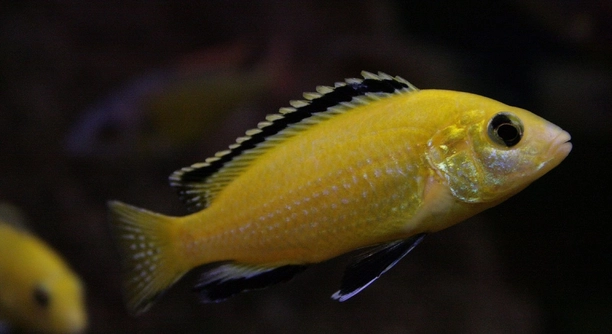
African cichlids are popular freshwater fish admired for their bright colors and active behavior. Many fish owners enjoy watching them interact and build territories in their tanks. These lively fish often show changes in behavior that can concern their caretakers.
African cichlids can experience stress and behavioral changes that resemble depression, especially when their environment is poor or social conditions are unfavorable. These fish rely on stable habitats and social structures to maintain healthy mental states.
Learning how their moods are affected by their surroundings can help ensure your cichlids stay healthy and active in your aquarium. Understanding these behaviors will guide you in creating a better environment for them.
Signs of Depression in African Cichlids
African cichlids can show signs that something is wrong beyond physical illness. When they are stressed or unhappy, they may lose interest in eating or swimming actively. You might notice them hiding more than usual or floating listlessly near the bottom of the tank. Changes in color can also be a signal; a dull or faded appearance often indicates stress or poor health. Some cichlids become aggressive or withdrawn when they feel unsafe. These behaviors are important to recognize because they suggest the fish is struggling mentally or emotionally. Maintaining a healthy environment and social balance is key to preventing these issues. Watching your cichlids closely helps catch problems early before they worsen. Regular tank maintenance, proper diet, and observing how fish interact can reduce the chance of depression-like symptoms.
Recognizing these signs early can improve the chances of helping your cichlids feel better quickly.
By paying attention to how your cichlids behave daily, you can adjust their environment or care routine as needed. Some fish benefit from added hiding places, while others need fewer tank mates to reduce stress. The balance in the aquarium is crucial because overcrowding or a poor setup can cause discomfort. A stable water temperature and clean water also help keep fish comfortable. Understanding their social needs and giving them enough space can lower stress and prevent behaviors linked to depression. Taking small steps to improve their living conditions can make a big difference in their overall well-being.
Causes of Depression in African Cichlids
Stress in African cichlids often comes from poor water quality, overcrowding, or improper tank mates. When water conditions are not ideal, fish become more vulnerable to illness and behavioral changes. Overcrowding can lead to fights or constant stress, especially for territorial species. Introducing aggressive or incompatible fish can cause anxiety and withdrawal. Changes in lighting or sudden shifts in the environment also upset cichlids. These factors can affect their mood and cause signs similar to depression.
Proper tank management includes regular water testing and careful selection of fish companions to maintain harmony.
When conditions are less than ideal, cichlids show stress through erratic swimming, hiding, or loss of appetite. Cleaning the tank regularly and performing partial water changes help maintain good water quality. Ensuring enough space for each fish to claim territory reduces conflicts. Providing a natural environment with rocks and plants offers hiding spots, making fish feel safe. Avoid sudden changes to their setup or feeding routine to keep them calm. Sometimes, even with good care, individual fish react differently, so observing their behavior closely is important. Adjustments in the tank setup or diet can often help restore their natural activity and color, improving their mood and health.
How to Improve Your Cichlids’ Mood
Adjusting their environment is often the quickest way to improve your cichlids’ mood. Small changes can reduce stress and encourage normal behavior.
Adding more hiding spots like rocks or plants helps cichlids feel secure. These safe areas allow them to escape aggressive tank mates or settle when stressed. Keeping the tank clean and maintaining stable water parameters are essential. Sudden shifts in temperature or pH can unsettle fish quickly. Feeding a balanced diet rich in nutrients supports their overall health and energy levels, which reflects in their activity. Watching how your fish respond to these changes helps you know if further adjustments are needed.
Social balance is key. Avoid overcrowding and separate aggressive fish when necessary. Sometimes, isolating a stressed cichlid temporarily can help it recover. Monitoring their behavior closely will guide you in providing the best care.
Role of Environment in Fish Well-being
A stable environment directly affects the well-being of African cichlids. Poor water quality or rapid changes can cause ongoing stress and health issues. Maintaining consistent temperature, proper filtration, and clean water reduces stress and supports immune function. Providing a natural setup with rocks and plants mimics their natural habitat and encourages healthy behavior.
Environmental enrichment keeps fish engaged and reduces boredom. Cichlids are active and curious, so a stimulating tank helps prevent lethargy or depressive-like states. Avoid overcrowding to minimize fights and allow each fish space to establish territory. Regular observation lets you catch problems early and make adjustments to the environment. Creating a balanced, peaceful tank will improve your cichlids’ mood and longevity.
Common Mistakes to Avoid
Overcrowding is a frequent mistake that causes stress and aggression among cichlids. Too many fish in one tank leads to constant fighting and anxiety.
Another common error is neglecting water quality. Dirty or unbalanced water harms their health and mood, making them more prone to illness and depression.
Feeding Tips for Healthier Cichlids
Feeding your cichlids a varied diet supports their mental and physical health. High-quality flakes, pellets, and occasional live or frozen foods provide essential nutrients. Avoid overfeeding, as leftover food can pollute the tank. A consistent feeding schedule helps maintain a healthy routine and reduces stress related to hunger or competition.
When to Seek Expert Help
If your cichlids show prolonged signs of stress or illness despite good care, consulting an expert is important. A vet or experienced aquarist can identify underlying problems and suggest treatments to restore their well-being.
Tank Maintenance Basics
Regular cleaning and water changes are essential to keep your tank environment healthy. This simple routine helps prevent stress and disease in your fish.
FAQ
Can African cichlids really get depressed?
Yes, African cichlids can show behaviors similar to depression. When stressed or kept in poor conditions, they may become inactive, lose appetite, or hide a lot. These signs point to mental distress, often caused by changes in their environment or social stress.
How can I tell if my cichlid is stressed or just resting?
Stressed cichlids often show several signs like loss of color, hiding constantly, or refusing food. Resting fish usually stay still but will respond to movement or feeding. Consistent inactivity combined with other symptoms is a warning sign.
What is the best way to prevent stress in African cichlids?
Keeping the water clean, maintaining stable temperature, and avoiding overcrowding are key steps. Also, provide plenty of hiding spaces and compatible tank mates to reduce aggression and anxiety.
Can changes in tank setup cause depression-like symptoms?
Yes, sudden changes in lighting, decorations, or water parameters can upset cichlids. They thrive on stability, so any abrupt change can cause stress and lead to withdrawn behavior.
Should I separate aggressive cichlids?
If aggression is causing injury or stress, separating aggressive fish is important. Overcrowding or incompatible species increase fights, so isolating aggressive individuals can restore peace in the tank.
How often should I clean my cichlid tank?
Partial water changes of about 20-30% every one to two weeks help maintain water quality. Cleaning filters and removing waste regularly prevents buildup of harmful substances that stress fish.
What diet is best for African cichlids?
A balanced diet with quality flakes or pellets plus occasional live or frozen foods supports their health. Avoid overfeeding to keep water clean and fish healthy.
Can tank decorations affect my cichlids’ mood?
Yes, decorations like rocks and plants provide hiding places and territory boundaries. This helps reduce stress by allowing fish to feel secure and establish their own space.
Is it normal for cichlids to hide a lot?
Occasional hiding is normal, but constant hiding, especially combined with loss of appetite or color fading, can signal stress or illness.
When should I contact a vet for my cichlids?
If your fish show long-lasting signs of stress, illness, or abnormal behavior despite good care, professional advice is recommended. Vets or experienced aquarists can diagnose and treat problems effectively.
Do African cichlids need social interaction?
Yes, they are social but territorial. They need the right number of compatible tank mates to feel secure. Too many or the wrong companions cause stress and aggressive behavior.
How important is water temperature for cichlids?
Water temperature affects metabolism and mood. Keeping the tank between 75-82°F (24-28°C) helps maintain activity and reduces stress. Sudden temperature changes should be avoided.
Can poor water quality cause depression?
Absolutely. Dirty water increases stress and susceptibility to disease. Regular cleaning and monitoring water parameters are essential to keep cichlids healthy.
What signs show a cichlid is recovering from stress?
Improved appetite, brighter colors, increased swimming activity, and less hiding indicate recovery. These positive changes show that environmental or social adjustments are working.
Are all cichlids equally prone to stress?
Some species are more territorial or sensitive than others. Knowing the specific needs of your cichlid species helps prevent stress and supports better care.
African cichlids are fascinating fish with unique personalities and social needs. Like many animals, they can experience stress and behaviors that resemble depression when their environment is not ideal. It is important to understand that their mood and health are closely linked to the care they receive. Keeping a stable, clean tank and providing a balanced diet can help prevent most problems. Watching your cichlids carefully for any changes in behavior is one of the best ways to ensure they stay healthy and happy. When you notice signs like hiding, loss of appetite, or dull colors, it is a good idea to check their environment and make improvements if needed.
Creating a suitable environment is key to your cichlids’ well-being. This means maintaining proper water quality, temperature, and lighting. Overcrowding can cause fights and stress, so giving each fish enough space to establish territory helps keep peace in the tank. Adding natural decorations such as rocks and plants gives your fish places to hide and feel safe. Social balance is also important because cichlids can be aggressive or shy depending on the species and tank setup. By learning about your fish’s specific needs and making adjustments as necessary, you create a more comfortable home for them. This reduces stress and helps them show their natural colors and behaviors.
If problems persist despite your best efforts, consulting a vet or an experienced aquarist can be helpful. Sometimes illness or stress comes from causes that are not obvious at first. Getting expert advice can guide you in finding solutions and improving your cichlids’ health. Remember that small, consistent care steps usually lead to the best results. Patience and observation are important parts of keeping African cichlids happy. Taking the time to understand their needs and respond to their behavior makes the experience of owning these beautiful fish much more rewarding.

Hello,
If you enjoy the content that we create, please consider saying a "Thank You!" by leaving a tip.
Every little bit helps us continue crafting quality advice that supports the health, happiness, and well-being of pets around the world, for pets of all shapes, sizes, and species.
We really appreciate the kindness and support that you show us!