
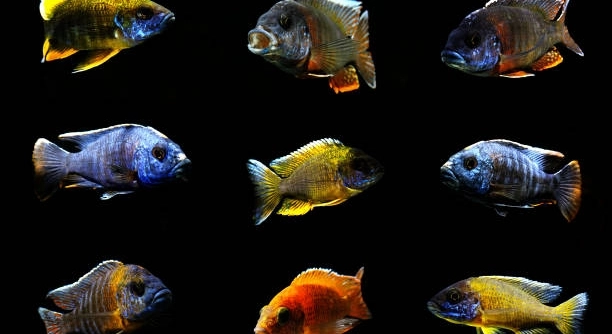
Keeping a tank with only one species can bring a calm and focused environment. Many hobbyists find it easier to manage and enjoy the unique behaviors of just one type of fish. This approach helps avoid conflicts that arise from mixing different species.
A species-only tank allows for better control over water conditions, diet, and social dynamics tailored to the specific needs of that species. This focused care often results in healthier fish and a more balanced ecosystem within the tank.
Exploring these reasons can help you decide if a species-only setup fits your aquarium goals and lifestyle. Understanding the benefits can improve your fish-keeping experience overall.
Easier Maintenance and Cleaning
Maintaining a species-only tank can simplify your cleaning routine significantly. When only one species is present, the waste produced is more predictable in amount and type. This helps you anticipate water changes and filter cleaning more effectively. You won’t have to worry about balancing the needs of several species with different sensitivities. Additionally, a single species usually has a consistent diet, which reduces leftover food that can decay and pollute the tank. This predictability makes it easier to keep the water parameters stable, which is essential for fish health. Over time, this leads to a cleaner, healthier tank that requires less effort to manage. You also avoid the stress of frequent disease outbreaks caused by incompatible species sharing the same environment. The simpler setup means fewer surprises and a more enjoyable fish-keeping experience.
Keeping the tank clean is less time-consuming and allows you to focus on watching your fish thrive.
With fewer variables in the tank, you can establish a reliable maintenance schedule. This consistency ensures your fish stay healthy and the tank looks its best. Regular water testing becomes straightforward, and the overall environment stays balanced longer. This predictability can make caring for your aquarium less stressful and more rewarding.
Better Social Behavior Management
In a species-only tank, managing social behavior is easier because all fish share similar traits and communication styles. This reduces aggression and territorial disputes common in mixed-species tanks. Fish can establish clearer social hierarchies without interference from incompatible species. It also allows for better observation of natural behaviors, which can be fascinating to watch. This peaceful environment supports the well-being of your fish, encouraging natural interactions and less stress. Overall, the tank feels more harmonious, and you can focus on the unique personality of the species you choose.
By focusing on one species, you can create a calm and balanced social setting for your fish.
A single-species aquarium allows you to learn more about the behavior and needs of that fish. You can arrange the tank to suit their social structure, whether that means groups or pairs. This setup helps reduce stress-related illnesses and supports breeding if desired. You avoid unexpected conflicts that might happen with species that have different temperaments or environmental needs. Observing these behaviors closely can deepen your appreciation for the species and improve your care techniques. This kind of focused environment also promotes a longer, healthier life for your aquatic pets.
Easier Disease Prevention
A species-only tank lowers the risk of disease spreading between different types of fish. When all fish are from the same species, they tend to have similar immune responses. This makes it simpler to spot early signs of illness and treat it before it spreads.
Since the environment is tailored to one species, stress levels are usually lower, which supports a stronger immune system. Mixed tanks can introduce diseases from one species to another, making prevention tricky. Monitoring and quarantine practices become more effective with only one species, reducing overall health risks.
In this setup, treatments for common diseases are more straightforward because the entire tank responds similarly. There’s less chance of adverse reactions to medications that might affect certain species but not others. Overall, a species-only tank supports healthier fish and reduces costly medical problems.
Focused Nutrition
Feeding one species means you can tailor the diet perfectly to their needs. This helps ensure your fish get the right nutrients without wasting food. Overfeeding or feeding the wrong diet can cause water quality issues, but with a species-only tank, this risk is minimized.
You can select food types specifically designed for the species, which improves digestion and overall health. Some fish require live or frozen foods, while others thrive on pellets or flakes. By concentrating on one diet plan, you avoid conflicts where some fish eat while others starve or get aggressive.
A focused nutrition plan also supports growth and breeding success. You won’t have to worry about feeding times that suit multiple species, which can complicate care routines. This makes daily feeding easier and more efficient, letting you enjoy watching your fish flourish.
Easier Breeding
Breeding fish in a species-only tank is much simpler. The fish are more likely to show natural mating behaviors without stress from other species. This creates a better environment for fry survival and growth.
With no competition or threats from different species, parents can focus on caring for their young. This often leads to higher breeding success and healthier offspring.
Improved Tank Design Options
A species-only tank allows you to customize the layout and decorations based on the specific needs of that species. You can create hiding spots, swimming areas, and breeding zones that suit your fish perfectly.
This targeted design helps fish feel secure and encourages natural behavior. It also makes maintaining the tank easier, as you only need to focus on one species’ habitat requirements.
Stronger Connection
Watching a single species closely helps you notice small changes in behavior or health. This deeper connection improves your ability to care for them well.
FAQ
What is a species-only tank?
A species-only tank is an aquarium that houses just one species of fish. Instead of mixing different types of fish, this setup focuses on the needs and behaviors of a single species. This allows for a more controlled environment that suits the fish’s specific requirements.
Why choose a species-only tank over a community tank?
Species-only tanks make it easier to manage water quality, diet, and social behavior because all the fish have similar needs. Community tanks require balancing the needs of many species, which can lead to stress, aggression, or poor health.
Are species-only tanks easier to maintain?
Yes. Because the fish share the same environment and diet, maintenance becomes simpler. You can predict waste levels, feeding amounts, and water parameters more accurately. This predictability reduces the chances of problems and lowers the time spent on upkeep.
Can all species be kept in a species-only tank?
Not all species do well alone. Some fish are naturally social and require groups of their own kind, while others prefer solitude. It’s important to research the species before choosing this setup to ensure their social needs are met.
Is disease less common in species-only tanks?
Generally, yes. When only one species is present, disease monitoring and treatment become easier. There is less risk of diseases jumping between different species with varying immune systems. This helps keep fish healthier.
Does a species-only tank affect fish behavior?
Yes, positively. Fish in species-only tanks tend to display more natural behaviors since they interact with their own kind. Aggression and stress often decrease, making the environment calmer and more balanced.
Are species-only tanks better for breeding?
They usually are. A single species tank reduces stress and competition, creating better conditions for breeding. Fish can focus on courtship and raising young without threats from other species.
What are some challenges with species-only tanks?
One challenge is boredom or lack of variety for the viewer. Watching only one type of fish might feel less exciting compared to a diverse tank. Also, if the species is aggressive, the tank still requires careful management to avoid fights.
How do I choose the right species for a species-only tank?
Consider the size of the tank, water conditions, and the social nature of the fish. Some species need large groups, others need specific habitats. Pick one that matches your tank size and care ability.
Can plants and decorations be added in a species-only tank?
Absolutely. Decorations and plants should fit the needs of the species. Some fish like hiding spots or lots of plants, while others prefer open swimming areas. Tailoring the environment makes the fish more comfortable and active.
Is it expensive to set up a species-only tank?
Costs vary depending on the species. Some require special equipment or diets, while others are easy and affordable to care for. Focus on the species’ specific needs to plan your budget.
Can I switch from a community tank to a species-only tank?
Yes, but it requires patience. You’ll need to remove other species and possibly rearrange the tank to suit the new species. Quarantine new fish to avoid introducing disease and ensure the water parameters match the new species’ needs.
What species are popular for species-only tanks?
Popular choices include bettas, cichlids, discus, and certain tetras. These fish have distinct behaviors and needs that are easier to meet in a focused setup. Their social patterns also benefit from being with their own kind.
How do I monitor the health of fish in a species-only tank?
Regular observation is key. Look for changes in swimming, eating habits, and appearance. Since behavior is more consistent in a species-only tank, even small changes can be early signs of illness.
Can species-only tanks include invertebrates or plants?
Yes, many keepers add snails, shrimp, or live plants that won’t harm the fish. These additions can improve tank health and create a more natural environment without causing stress.
This FAQ covers many important points to help you decide if a species-only tank suits your needs. Understanding the benefits and challenges will guide you to create a healthy, enjoyable aquarium.
Choosing to keep a species-only tank can bring many benefits to your aquarium experience. It allows you to focus on the specific needs of one type of fish, making care and maintenance simpler. When all the fish in the tank share similar habits and environmental requirements, it is easier to provide a stable and healthy habitat. This focused approach often results in happier and healthier fish, which is what every tank owner wants.
A species-only tank also helps reduce stress and aggression among fish. Without other species to compete with, fish can form natural social groups or live peacefully alone, depending on their nature. This leads to fewer fights and injuries, creating a calmer environment. It also makes it easier to notice changes in behavior or health, so you can address problems quickly. Watching fish behave naturally can be very rewarding and gives you a better understanding of their personality and needs.
While a species-only tank has many advantages, it is important to choose the right species for your tank size and care abilities. Some species need groups to thrive, while others do better alone. Planning your tank carefully, including decorations and feeding routines, will help your fish live their best life. Overall, a species-only tank can be a great way to enjoy fish keeping with less hassle and more satisfaction. It offers a chance to build a close connection with your fish and provide a peaceful home suited just for them.

Hello,
If you enjoy the content that we create, please consider saying a "Thank You!" by leaving a tip.
Every little bit helps us continue crafting quality advice that supports the health, happiness, and well-being of pets around the world, for pets of all shapes, sizes, and species.
We really appreciate the kindness and support that you show us!