
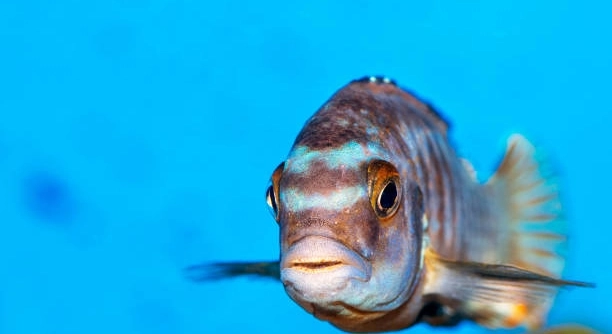
Are your cichlids ignoring each other even though you’ve done everything to create a peaceful, ideal tank environment?
The best way to encourage pairing in cichlids is by mimicking their natural habitat, offering multiple hiding spots, and introducing compatible mates. Stress-free conditions and proper water quality also play a key role in forming pairs.
Pairing behavior in cichlids can be complex, but learning how to support it will help your fish thrive and build strong bonds.
Provide the Right Environment
Creating the right environment is one of the most important steps in encouraging cichlids to pair. These fish feel more secure when they have plenty of hiding spots, plants, and rocks to explore. Flat stones are especially useful, as many species use them for spawning. Avoid overcrowding the tank, since too many fish can lead to stress and territorial disputes. A tank of at least 30 gallons is ideal for a single pair, but larger tanks are better if you’re planning to keep multiple fish. Keep the temperature stable and match it to the needs of the specific species you’re keeping. A calm, clean, and stable setup will reduce stress and allow natural behaviors to develop more easily. When fish feel safe and comfortable, they are more likely to show signs of pairing. Some species are picky, so don’t rush the process. A stable environment gives them the time they need.
A stressed or crowded fish won’t focus on pairing. Instead, it’ll spend its energy defending territory or hiding.
Use background plants or rocks to help break line of sight and reduce aggression. These barriers allow fish to retreat, which is important for reducing stress and encouraging bonding between potential mates.
Choose Compatible Pairs
Not all cichlids will form pairs, even if they’re the same species and size. Some simply aren’t compatible.
Cichlids can be selective when it comes to mates. If you’re trying to encourage pairing, it’s helpful to introduce a group of young fish and let them choose naturally. Many breeders start with six to eight juveniles and wait for two to bond. Once a pair forms, the rest of the fish can be moved to another tank. Make sure the fish are sexually mature, as immature cichlids won’t show interest in pairing. Size also matters—pairs tend to form more easily between fish that are similar in size and strength. Introducing one male to several females can increase the chances of forming a pair, especially in species where males are territorial. Observing their behavior will help you spot signs of interest. Look for tail shaking, close swimming, or the two fish guarding a specific area together. These signs often appear before actual breeding begins.
Feed a Balanced Diet
Good nutrition helps support breeding behavior in cichlids. A healthy, well-fed fish is more likely to show interest in bonding and reproduction. Diet plays a key role in energy, color, and overall behavior.
Feed your cichlids a mix of high-quality pellets, frozen foods, and live options like brine shrimp or daphnia. These foods are rich in protein and encourage breeding instincts. Try not to overfeed—too much food can pollute the water and raise stress levels. You’ll want to feed small portions twice a day and observe how they respond. If they become more active, it’s often a good sign. Bright colors and increased energy are both positive signs of health and possible mating behavior. A varied diet keeps them in top condition and helps mimic what they would eat in the wild. Healthy fish are naturally more interested in pairing, so don’t overlook this step.
Conditioning your cichlids with the right foods can make a noticeable difference. Foods high in protein promote egg development in females and boost activity in males. If your fish look dull or sluggish, adjusting their diet may help. When they start swimming together, cleaning rocks, or guarding areas, it usually means your efforts are working.
Maintain Ideal Water Conditions
Water quality has a major impact on how your cichlids behave. Dirty or unstable water can lead to stress, disease, or complete lack of interest in pairing.
Keep the water temperature steady and match it to the species you’re keeping. Most cichlids do well between 76°F and 82°F. A sudden drop or spike can throw them off. You should also monitor the pH—African cichlids prefer alkaline water around 7.8 to 8.5, while South American species often need something closer to neutral. Use a reliable test kit to track ammonia, nitrite, and nitrate levels. Clean the tank regularly and change about 25% of the water every week. Don’t rely only on filters. A clean tank helps mimic natural spawning conditions and signals to your fish that it’s safe to breed. When the water is just right, your cichlids will become more active, territorial, and likely to form strong bonds.
Limit Aggression
Aggressive behavior can prevent cichlids from pairing. Too much chasing or fighting stresses the fish and keeps them focused on defending territory instead of bonding. Separate aggressive individuals or rearrange tank decor to break up strong territories and reduce tension.
Use tank dividers if needed. Even a temporary barrier can give weaker fish a break and help potential pairs interact without constant interference. Creating visual barriers like plants or rocks also helps reduce line-of-sight aggression and keeps the peace during the bonding process.
Observe Behavior Closely
Watching your cichlids daily helps you spot early signs of pairing. When two fish start swimming together, guarding a certain area, or showing off their colors, it’s often a sign they’re bonding. Some species may also clean rocks or dig pits before spawning. If you see this, it’s best to leave them alone and avoid tank changes. Pairing can take time, especially in young or newly introduced fish. Don’t be discouraged if things don’t happen right away. Just keep their environment stable and continue offering good food and clean water. Bonded pairs will often return to the same behavior even after a short separation.
Avoid Frequent Changes
Frequent tank changes can stress fish and interrupt pairing. Cichlids need a calm, steady environment to form strong bonds and show natural behaviors.
How long does it take for cichlids to form pairs?
The time it takes for cichlids to pair varies by species and individual fish. Some may form bonds within a few weeks, while others can take several months. Younger or newly introduced fish often need extra time to adjust and feel safe. Providing a stable environment and minimal disturbance helps speed up this process. Observing their behavior regularly can give clues when a pair is forming, such as spending more time close together or guarding a particular area. Patience is key when encouraging pairing.
Can I encourage pairing if I only have two cichlids?
While it’s possible, pairing is often easier when starting with a group of juveniles. This lets fish choose their own mates naturally. When only two are kept together, compatibility depends entirely on their personalities, size, and sex. If they don’t show interest or display aggression, pairing may not occur. In those cases, introducing more fish or swapping one out might help. Make sure both fish are mature and healthy for the best chance at pairing.
What are the signs that cichlids have paired?
Paired cichlids often swim close to each other and share territories. They may clean rocks together, guard a specific spot, and chase away intruders as a team. Males may display brighter colors, and females might show swelling if preparing to spawn. Some species build nests or pits for their eggs. Watching for these behaviors can confirm that pairing has taken place.
Does water temperature affect pairing behavior?
Yes, water temperature influences cichlid behavior, including pairing and breeding. Most species prefer temperatures between 76°F and 82°F. When the temperature is too low, fish become less active and less likely to pair. Too high, and they may become stressed or aggressive. Maintaining a stable temperature within the ideal range encourages natural mating behaviors.
How important is tank size for encouraging pairs?
Tank size matters because it affects space for territories and hiding spots. Smaller tanks can increase stress and aggression, preventing pairing. A minimum of 30 gallons is recommended for a single pair, with larger tanks better for multiple fish or species with strong territorial needs. More space allows fish to establish their own areas, reducing conflicts and making it easier for pairs to form.
Can I introduce tank mates with a pairing pair?
Introducing other fish when a pair is forming or has formed can be risky. New tank mates may cause stress, increase aggression, or disrupt the bonding process. If you want to keep other species, wait until the pair is well established and the tank is large enough to provide separate territories. Always monitor interactions carefully and be ready to remove aggressive fish if needed.
What role does diet play in encouraging pairing?
A balanced diet rich in protein helps boost breeding instincts and energy levels in cichlids. Feeding a mix of pellets, frozen, and live foods supports overall health and stimulates natural behaviors like courtship and nest building. Underfeeding or poor nutrition can lead to dull colors and low activity, reducing the chances of pairing. Proper nutrition is a simple but effective way to support the breeding process.
How often should I clean the tank to support pairing?
Regular cleaning is essential but avoid drastic or frequent water changes that can stress fish. Changing about 25% of the water weekly keeps the environment healthy without causing sudden changes. Keeping filters clean and removing uneaten food helps maintain water quality. Good water conditions make cichlids feel safe and ready to pair.
Is it normal for pairs to separate and then reunite?
Yes, it’s common for cichlid pairs to briefly separate due to territorial disputes or stress. However, many pairs reunite once conditions improve or threats are removed. It’s important to give them space during these times and avoid adding stress. Stable tank conditions help pairs maintain their bond over time.
What should I do if my cichlids don’t pair after weeks?
If pairing doesn’t happen, reassess your tank setup, water conditions, and diet. Make sure fish are healthy, mature, and compatible. Adding more juveniles or swapping one fish can sometimes help. Patience is important, but if aggression continues or fish remain uninterested, consider separating them and trying again later with better conditions.
Pairing cichlids can be a rewarding experience, but it takes patience and attention to detail. Creating a calm, clean environment where your fish feel safe is the foundation for encouraging them to bond. Providing plenty of hiding spots and flat surfaces for spawning helps fish feel more secure. The tank should be spacious enough to reduce stress and allow fish to establish their own territories. Keeping the water quality high and stable supports their health and natural behavior. By paying attention to these basics, you set the stage for cichlids to form pairs naturally over time.
Feeding your cichlids a balanced diet plays a big role in their readiness to pair. Healthy fish are more likely to show interest in bonding and reproduction. It’s best to offer a variety of foods that include protein-rich pellets, frozen items, and live foods like brine shrimp. Overfeeding or poor diet can cause water problems and stress, which can stop pairing behavior altogether. Watching your fish’s activity and color will help you know if their diet is working well. When fish are well-nourished, they become more active and display behaviors that lead to pairing and breeding.
Finally, it’s important to remember that every fish is different. Some cichlids take longer to form pairs, and some may never do so in captivity. Watching your fish closely helps you understand their individual personalities and behaviors. Limiting aggression, maintaining steady water conditions, and avoiding frequent tank changes all help create the best environment for pairing. If pairing does not happen right away, do not get discouraged. With consistent care and a peaceful tank, many cichlids will eventually form strong bonds. Your efforts to support them are key to their health and happiness.

Hello,
If you enjoy the content that we create, please consider saying a "Thank You!" by leaving a tip.
Every little bit helps us continue crafting quality advice that supports the health, happiness, and well-being of pets around the world, for pets of all shapes, sizes, and species.
We really appreciate the kindness and support that you show us!