
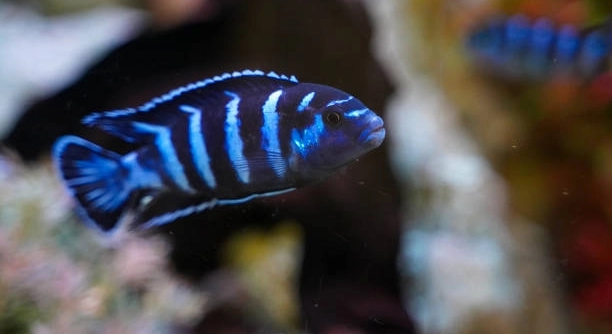
African cichlids are popular aquarium fish known for their vibrant colors and active behavior. Many keepers enjoy their unique personalities but worry about how short blackouts might affect their health and survival in home tanks. Understanding their needs during power outages is important.
African cichlids can generally survive short blackouts if their environment remains stable and water quality is maintained. The lack of light for brief periods does not cause immediate harm, but prolonged outages may stress the fish and affect oxygen levels, requiring attention from the keeper.
Knowing how blackouts impact these fish helps owners prepare better for unexpected events. This article explains key factors that influence their survival during short power interruptions.
How Blackouts Affect African Cichlids
When the power goes out, the main concern for African cichlids is the change in their environment. Without electricity, filters and heaters stop working. This affects water circulation and temperature, which are critical for the fish’s health. Lack of filtration can cause a buildup of harmful substances like ammonia. Temperature drops can stress the fish, especially if the blackout lasts several hours. However, African cichlids are fairly hardy and can handle short periods without power if the water conditions remain stable before and after. Light loss during a blackout doesn’t harm them directly, but it may confuse their natural day-night cycle. It’s important to monitor your tank closely once power is restored to prevent sudden changes that could shock the fish.
Maintaining stable water quality is the best way to protect cichlids during outages. Quick action after the blackout helps reduce risks.
Keeping backup equipment, like battery-powered air pumps or portable heaters, can prevent major problems during blackouts. Preparing ahead supports your fish’s well-being.
Preparing Your Tank for Short Blackouts
Keeping your tank ready for unexpected blackouts means having simple tools on hand. A battery-operated air pump can keep oxygen circulating when the filter stops. Portable heaters or heat packs can maintain water temperature during colder months. Monitoring water parameters regularly will help you notice early signs of stress. It’s also good to avoid feeding your fish right before or during an outage because uneaten food can degrade water quality. In case of longer blackouts, consider having a backup power source, like a generator or UPS, to keep essential equipment running. Small preparations can make a big difference in protecting your cichlids from the effects of power loss. Planning ahead ensures a safer, less stressful environment for your fish.
Signs of Stress in African Cichlids During Blackouts
Stress signs often appear quickly when conditions change. Cichlids may become less active, hide more, or show rapid breathing. Loss of appetite is another common symptom. Watch for color fading or unusual swimming patterns. These behaviors signal the fish are uncomfortable and need attention to prevent health problems.
Stress affects cichlids by weakening their immune system, making them more vulnerable to diseases. Prolonged stress from poor water quality or temperature changes can cause infections or other illnesses. Early detection is key to helping fish recover. Monitoring behavior closely during and after a blackout allows timely action to reduce harm. Keeping water parameters stable and restoring normal conditions quickly supports healing and reduces lasting effects on the fish.
Behavioral changes often indicate stress but physical signs may also appear. White spots or damaged fins can result from stress-related infections. Taking preventive steps during blackouts helps limit stress and supports overall fish health.
Managing Water Quality After a Blackout
Water quality can drop quickly if filtration stops. Test ammonia, nitrite, and nitrate levels immediately after power returns. High ammonia or nitrite levels are dangerous and require partial water changes to reduce toxins. Aeration should be increased if oxygen levels seem low. Avoid overfeeding as leftover food breaks down and worsens water conditions. Regular testing helps prevent long-term damage from poor water quality during outages. Quick intervention after a blackout is critical to keep the tank environment safe for cichlids.
Use clean, treated water when performing changes, matching temperature and pH as closely as possible to avoid shocking the fish. If ammonia spikes, adding beneficial bacteria supplements can speed recovery. Consistent maintenance before and after blackouts ensures a healthy environment and reduces risks linked to sudden power loss.
Using Backup Power for Your Aquarium
Backup power can keep filters and heaters running during outages. Small battery backups or uninterruptible power supplies (UPS) are affordable and effective. They help maintain stable conditions until regular power returns.
A generator is another option for longer blackouts. It requires more setup but ensures continuous operation of essential equipment. This investment protects your fish from stress and health issues caused by power loss.
Feeding Tips During a Blackout
Avoid feeding your cichlids right before or during a blackout. Uneaten food can pollute the water, increasing harmful toxin levels quickly when filtration stops. Feed smaller amounts after power is restored to prevent waste buildup.
Monitoring Temperature Fluctuations
Temperature changes during blackouts can stress fish. Use a reliable aquarium thermometer to keep track. If temperatures drop, portable heaters or warm packs help maintain a safe range and protect your cichlids from cold shock.
FAQ
Can African cichlids survive more than a few hours without power?
African cichlids can usually handle short power outages lasting a few hours if their tank conditions remain stable. However, longer blackouts increase risks such as oxygen depletion, temperature drops, and toxic buildup. Prolonged power loss without backup systems may lead to serious health problems or even death, so it’s important to prepare for extended outages.
What should I do immediately after a blackout?
As soon as power returns, check your aquarium equipment and water conditions. Turn filters and heaters back on and monitor the temperature closely. Test the water for ammonia, nitrites, and nitrates to spot any dangerous spikes. If water quality is poor, perform a partial water change and increase aeration to restore balance quickly.
Is it safe to feed my cichlids during or just after a blackout?
It’s best to avoid feeding during a blackout or immediately afterward. Without filtration, uneaten food will decay and pollute the water rapidly. Wait until the system is running normally again and water quality is stable. Start with small, controlled feedings to prevent waste buildup and reduce stress on your fish.
How do I keep oxygen levels adequate during a power outage?
Using a battery-powered air pump can help keep oxygen circulating when the main filter is off. Adding plants can also improve oxygen levels naturally. If you don’t have a backup air pump, gently stirring the water surface occasionally can increase oxygen exchange, but this should be done carefully to avoid stressing the fish.
What temperature range is safe for African cichlids?
African cichlids typically thrive between 75°F and 82°F (24°C to 28°C). Sudden temperature drops during blackouts can cause stress and weaken their immune systems. If the temperature falls below this range, use portable heaters or warm packs to maintain a stable environment until power is restored.
Are there signs of permanent damage from blackouts?
If blackouts are short and followed by proper care, most African cichlids recover fully. However, extended or repeated outages causing poor water quality or temperature fluctuations can lead to lasting health issues. Signs include prolonged lethargy, loss of appetite, persistent discoloration, or recurring infections.
Can I use salt to help fish during blackouts?
Adding aquarium salt in small, controlled amounts can help reduce stress and prevent some infections. However, salt does not solve issues caused by low oxygen or poor water quality. Always follow dosage instructions carefully, as too much salt can harm cichlids.
What equipment should I have ready for blackouts?
Basic backup items include a battery-powered air pump, portable heater, and water testing kits. A UPS can keep critical equipment running during short outages, while a generator is useful for longer ones. Having these on hand reduces risks and helps maintain stable tank conditions.
How often should I test water during and after a blackout?
Testing water daily during an outage is ideal to catch rising toxins early. After power is restored, continue testing for several days until ammonia, nitrite, and nitrate levels return to safe ranges. This helps prevent long-term damage and ensures a healthy environment for your cichlids.
Does tank size affect how cichlids handle blackouts?
Larger tanks generally handle blackouts better because they have more stable water parameters and oxygen reserves. Smaller tanks can experience rapid changes in water quality and temperature, which puts fish at higher risk. Extra care and backup systems are especially important for small setups.
Can African cichlids adapt to frequent power outages?
While they are resilient fish, frequent blackouts cause ongoing stress and weaken their immune systems over time. Adaptation is limited, so frequent power loss should be addressed with proper equipment and maintenance. Protecting your fish from repeated stress ensures their long-term health and vitality.
What immediate steps can I take if I find my cichlids struggling after a blackout?
Increase aeration and perform partial water changes to improve water quality. Monitor temperature closely and use portable heaters if needed. Reduce feeding to avoid additional waste. If fish show signs of illness, consider consulting a veterinarian experienced with aquatic species for further care.
African cichlids are generally resilient fish that can tolerate short blackouts if their environment remains stable. Power outages do disrupt important systems like filtration, heating, and aeration, which are necessary to keep the tank healthy. However, if the blackout lasts only a few hours and the water conditions do not change drastically, the fish can usually manage without serious harm. It is important to remember that cichlids rely on clean water and stable temperatures to stay healthy, so any interruption to these factors should be addressed as quickly as possible once power returns.
Preparing your aquarium for potential blackouts is the best way to reduce risks to your fish. Simple measures such as having a battery-operated air pump, portable heaters, and backup power supplies can help maintain water circulation, oxygen levels, and temperature during outages. Monitoring water quality regularly and testing for harmful substances like ammonia or nitrites is essential after the power comes back. Avoiding feeding during blackouts prevents leftover food from contaminating the water. Taking these precautions will make it easier to keep your cichlids safe and reduce stress during unexpected power failures.
Even with preparation, watching for signs of stress or illness in your cichlids is important. Behavior changes, color fading, or unusual swimming patterns often indicate that the fish are struggling. Acting quickly by improving water quality and temperature can prevent longer-term health problems. While African cichlids are tough, repeated or extended blackouts can weaken them over time. Maintaining stable tank conditions and responding promptly to changes helps ensure your fish stay healthy and active despite occasional power interruptions.

Hello,
If you enjoy the content that we create, please consider saying a "Thank You!" by leaving a tip.
Every little bit helps us continue crafting quality advice that supports the health, happiness, and well-being of pets around the world, for pets of all shapes, sizes, and species.
We really appreciate the kindness and support that you show us!