
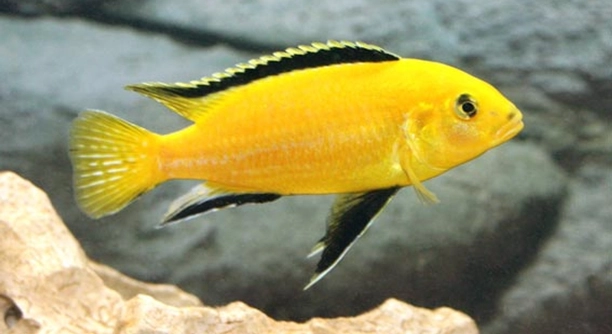
Female cichlids are fascinating fish known for their unique breeding behaviors. One of the most remarkable is mouthbrooding, where the female carries her eggs and fry in her mouth for protection. Recognizing this behavior helps in caring for them properly.
Mouthbrooding female cichlids display specific signs such as a swollen or enlarged mouth, reduced feeding, and increased territorial behavior. They may also show changes in swimming patterns and exhibit a protective posture while carrying eggs or fry in their mouths.
Observing these signs can help you support your cichlid’s health during this important phase. Understanding mouthbrooding ensures better care and a safer environment for both mother and offspring.
Swollen Mouth and Reduced Appetite
When a female cichlid is mouthbrooding, one of the first signs you might notice is a noticeably swollen or enlarged mouth. This happens because she holds the eggs or fry inside her mouth to keep them safe. During this time, she often eats less or stops eating altogether. It’s important not to be alarmed by this change in appetite, as it is a natural part of her breeding process. Reduced feeding helps prevent accidentally swallowing the young and shows how focused she is on protecting her offspring. The swollen mouth can make it difficult for her to open and close her mouth fully, so she may seem less active or more reserved than usual.
Swollen mouth and reduced feeding are reliable indicators that a female cichlid is brooding her young. These changes are temporary and essential for her reproductive success.
Noticing these signs allows you to avoid stressing her during this time. Providing a calm and stable environment supports her until she releases the fry. Avoid handling her frequently and maintain good water quality to keep her healthy throughout this period.
Protective Behavior and Territoriality
Female mouthbrooding cichlids often become more protective and territorial. They guard their chosen space more aggressively than usual, sometimes chasing away other fish or hiding frequently. This behavior helps keep potential threats away from their vulnerable young.
During brooding, the female’s increased territorial behavior is a natural defense mechanism. She may isolate herself in a specific part of the tank to create a safe environment for her fry. This change in behavior can sometimes appear as aggression, but it is simply a sign of her maternal instincts in action. Understanding this behavior helps you respect her space and avoid causing unnecessary stress. Maintaining consistent tank conditions will encourage her to feel secure and allow her to complete the brooding process without interruption. This period requires patience but is rewarding when you see the fry safely released.
Changes in Swimming Patterns
Mouthbrooding female cichlids often swim more slowly and cautiously. Their movements become deliberate as they protect the eggs or fry inside their mouths.
This slower swimming helps prevent injury to the young and conserves energy. The female tends to stay near the bottom or in sheltered areas, avoiding strong currents or open spaces. These behavior changes are essential for the safety of her offspring. She may also pause frequently, resting more than usual to reduce stress on herself and her brood. Observing these patterns helps identify a brooding female early on.
The cautious swimming extends to how she interacts with other fish. She may avoid aggressive tank mates or defend her territory strongly if others get too close. Providing hiding spots and calm water encourages her to feel secure throughout this vulnerable stage.
Protective Posture and Mouth Movements
Female cichlids holding eggs or fry often display a distinct protective posture. They keep their mouths slightly open and move their heads slowly to aerate the young inside.
This behavior helps keep the eggs oxygenated and clean, which is crucial for healthy development. The gentle mouth movements also signal to the fish that she is actively caring for her offspring. Watching for these subtle signs provides clear evidence of mouthbrooding activity.
The posture usually involves the fish appearing tense or alert, with eyes focused on her surroundings. This alertness allows her to react quickly to potential threats. During this time, she may not feed but remains highly aware, ready to protect her young at a moment’s notice. Recognizing these mouth and body movements helps in supporting her needs during this critical period.
Isolation from Other Fish
During mouthbrooding, female cichlids often isolate themselves from other tank mates. They seek quiet spots to protect their young from disturbances.
This isolation helps reduce stress and prevents accidental harm to the eggs or fry. It is important to respect their space during this time to allow successful brooding.
Reduced Feeding Behavior
Mouthbrooding females usually eat less or stop eating entirely. This helps avoid swallowing their eggs or fry by mistake. Feeding can resume gradually once the young are released.
Visible Eggs or Fry in the Mouth
Sometimes, you can see the eggs or fry inside the female’s mouth. This is a clear sign of mouthbrooding. The mouth may look slightly swollen or bulging when holding them. Watching for this helps confirm the behavior.
FAQ
How long does mouthbrooding last in female cichlids?
Mouthbrooding usually lasts between two to four weeks, depending on the species and environmental conditions. During this time, the female keeps the eggs and fry protected in her mouth until they are ready to swim freely. The exact duration can vary, but patience is important for their development.
Is it normal for a mouthbrooding female to stop eating?
Yes, it is normal. Many females reduce or stop eating entirely while mouthbrooding. This behavior prevents them from accidentally swallowing their eggs or fry. Though it might seem worrying, it is a natural part of the process. Once the fry are released, feeding usually returns to normal.
Can mouthbrooding harm the female fish?
Mouthbrooding is physically demanding and can cause temporary stress to the female. The swollen mouth and lack of feeding put strain on her body, but healthy cichlids generally recover well after brooding. Providing a calm environment and good water quality helps reduce any negative effects.
How can I support my female cichlid during mouthbrooding?
Keep the tank peaceful and stable by avoiding sudden changes or disturbances. Avoid feeding her aggressively and remove any aggressive tank mates if possible. Maintaining clean water with regular checks is essential. Offering hiding places allows her to feel secure while protecting her young.
Will the female release the fry on her own?
Yes, most female cichlids naturally release their fry when they are ready. This usually happens after the brooding period, once the fry can swim and feed independently. Interfering can cause stress or harm, so it is best to allow the process to occur naturally.
What should I do if the female refuses to release the fry?
If she holds the fry for an unusually long time, it could signal stress or health issues. Check water conditions and tank mates for potential problems. Sometimes, gently encouraging her by creating a safe and calm environment can help. If problems persist, consulting a specialist or experienced breeder may be necessary.
Can mouthbrooding females be kept with other fish?
It depends on the temperament of the other fish. During brooding, the female is highly protective and may become aggressive toward tank mates. Peaceful and non-aggressive species are preferable. Providing separate hiding spaces helps reduce conflict during this sensitive time.
How do I know if my female cichlid is done mouthbrooding?
Signs include the reduction of mouth swelling and a return to normal feeding behavior. The female will swim more actively and rejoin the rest of the tank. Watching these changes confirms that the brooding phase is complete and the fry are independent.
Can mouthbrooding be stressful for the fry?
Generally, the fry are well protected inside the mother’s mouth, which provides safety and oxygenation. However, poor water quality or frequent disturbances can increase stress for both mother and fry. Keeping the tank environment stable supports healthy development.
Is it necessary to separate the fry from the mother after release?
It depends on the species and tank setup. In some cases, the mother may continue to protect the fry for a short time. In others, the fry might be at risk of being eaten by tank mates or even the mother. Providing a separate nursery or removing the fry gently may be required to ensure their survival.
Mouthbrooding is a remarkable and natural behavior seen in many female cichlids. It involves the mother protecting her eggs and young by holding them in her mouth until they are ready to survive on their own. This process can last several weeks and requires a lot of patience and care from both the fish and the keeper. Understanding the signs of mouthbrooding helps create a better environment for the female cichlid to complete this important phase safely. It also ensures the survival and health of the fry once they are released into the tank.
During mouthbrooding, female cichlids show distinct behaviors such as swelling of the mouth, reduced feeding, and increased territoriality. These signs are not a cause for worry but rather a sign that the fish is fulfilling her natural role as a protector of her offspring. Providing a calm and stable tank environment is essential to support her during this time. Avoiding disturbances, maintaining clean water, and offering safe hiding spaces all contribute to reducing stress for the female and improving the chances of successful brooding. Observing these changes with care allows for better decision-making when it comes to tank management.
After the brooding period ends, the female will release her fry and gradually return to normal behavior. It is important to monitor the mother and the young during this transition to ensure their health and safety. In some cases, the fry may need to be separated or given extra protection depending on the tank setup and the behavior of other fish. Overall, recognizing and supporting mouthbrooding behavior strengthens the bond between the keeper and their cichlids, helping to create a thriving aquatic environment for both mother and offspring. With the right attention, this natural process can be both fascinating and rewarding to witness.

Hello,
If you enjoy the content that we create, please consider saying a "Thank You!" by leaving a tip.
Every little bit helps us continue crafting quality advice that supports the health, happiness, and well-being of pets around the world, for pets of all shapes, sizes, and species.
We really appreciate the kindness and support that you show us!