
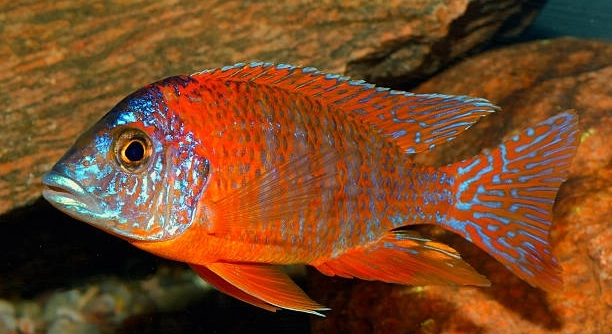
Cichlid fry require special care during their early stages to ensure healthy growth. Proper attention to their environment and diet can make a significant difference. Helping fry develop quickly benefits both hobbyists and breeders alike.
Providing optimal water conditions, a balanced diet, and suitable tank setups are key to accelerating cichlid fry growth. Regular monitoring of water quality, feeding small frequent meals, and minimizing stress contribute to healthier, faster development.
Understanding these essential factors will improve your success in raising strong cichlid fry. This article offers practical steps to support their growth efficiently.
Maintain Optimal Water Quality
Water quality is crucial for cichlid fry growth. Clean water with stable parameters reduces stress and disease risk. Regular water changes keep nitrate levels low and oxygen levels high. Use a gentle filtration system to avoid disturbing fry. Monitor temperature closely, aiming for a consistent range suitable for your specific cichlid species. Avoid sudden changes in water chemistry, as fry are sensitive. Keeping the tank clean prevents harmful bacteria and toxins from building up. Testing water frequently helps catch problems early before they affect the fry. Overall, maintaining stable and clean water conditions creates an environment where cichlid fry can thrive and grow faster.
Stable water conditions allow fry to focus energy on growth rather than survival. Consistent temperature and cleanliness are the foundation for healthy development.
Providing steady water quality helps fry avoid stress-related health issues. It ensures their immune systems stay strong and supports quicker growth during these critical early weeks.
Provide Proper Nutrition
Offering the right food supports faster growth in cichlid fry. In the first days, fry benefit from microscopic foods like infusoria or specially prepared liquid fry food. As they grow, introduce finely crushed flakes or pellets rich in protein and nutrients. Feeding small amounts multiple times a day prevents overfeeding and maintains water quality. Avoid large food particles that fry cannot consume. Including live foods such as baby brine shrimp improves nutrition and stimulates natural hunting behavior. A balanced diet enhances immune function and energy for growth. Overfeeding can cause water pollution and health problems, so careful portion control is important. Watching how much the fry eat helps adjust feeding schedules effectively. Proper feeding is key to faster, healthier fry development over the first few weeks.
Feeding multiple small meals with nutrient-rich foods ensures fry receive constant energy. This practice supports steady growth without compromising water quality.
Consistent access to varied, high-quality food helps fry build strength and develop quickly. Introducing live and prepared foods at appropriate stages meets their changing nutritional needs and promotes healthy growth.
Control Tank Environment
Keeping the tank environment calm helps cichlid fry grow without unnecessary stress. Avoid overcrowding and sudden movements near the tank.
Stress slows growth and weakens fry. Reducing noise, vibration, and aggressive tank mates creates a peaceful setting. Use plants or hiding spots to give fry places to retreat and feel safe. A stable environment allows fry to focus energy on developing rather than escaping threats.
Lighting should mimic natural day and night cycles. Too much light can cause stress, while too little affects feeding behavior. Soft, indirect lighting is best for fry tanks. Maintaining consistent conditions encourages healthy growth and reduces mortality rates.
Regular Health Checks
Frequent observation helps catch health issues early. Monitor fry for signs of disease or abnormal behavior daily.
Removing sick fry quickly prevents spread of illness. Check for fungus, fin rot, or unusual swimming patterns. Early treatment can save many fry from serious problems. Maintaining good hygiene during handling and tank cleaning reduces infection risk.
Healthy fry grow faster and are more active. A clean environment combined with prompt health care reduces stress and promotes development. Being attentive ensures issues are addressed before they hinder growth or cause losses. Regular monitoring supports a strong, thriving group of cichlid fry.
Use Appropriate Tank Size
A tank that is too small limits fry growth and increases stress. Provide enough space for fry to swim and explore.
Overcrowding leads to poor water quality and stunted development. A larger tank supports better filtration and stable conditions.
Maintain Proper Filtration
Filtration must be gentle enough to avoid sucking in fry but effective at removing waste. Sponge filters are ideal for fry tanks because they provide biological filtration and aeration without strong currents. Regularly clean or replace filter media to keep the system efficient. Proper filtration reduces harmful toxins and maintains water clarity, which supports healthier and faster-growing fry.
Avoid Overfeeding
Excess food leads to poor water quality and health problems. Feed small amounts that fry can consume quickly to prevent leftovers.
FAQ
How often should I feed cichlid fry?
Feeding cichlid fry small amounts multiple times a day is best. Usually, 3 to 5 feedings spaced evenly provide constant nutrition without overloading the tank. Young fry need more frequent feedings, while older fry can handle fewer meals. Watching how much they eat helps adjust feeding times.
What is the ideal temperature for cichlid fry?
Most cichlid fry grow well in temperatures between 75°F and 82°F (24°C to 28°C). Consistency is key. Sudden changes can stress the fry and slow growth. Use a reliable heater and thermometer to keep the temperature stable. Different species may have slightly different preferences.
Can I use tap water for fry tanks?
Tap water can be used if properly treated. Always remove chlorine and chloramines with water conditioners before adding water to the tank. Test water parameters to ensure pH, hardness, and other factors are suitable for your cichlid species. Clean, safe water supports healthy fry development.
What live foods are best for cichlid fry?
Baby brine shrimp, microworms, and daphnia are excellent live foods. They are nutritious and small enough for fry to eat easily. Live foods also encourage natural hunting behavior, which can improve feeding response and growth rates. Rotate live foods with prepared options for a balanced diet.
How often should water be changed in fry tanks?
Perform small water changes of about 10-20% every few days. This keeps nitrate levels low and removes waste without shocking the fry. Frequent, partial water changes are better than infrequent large ones. Always match the new water’s temperature and chemistry to avoid stress.
Is it necessary to separate fry from adult fish?
Yes, separating fry is important to prevent adults from eating or outcompeting them for food. Use breeding boxes, separate tanks, or tank dividers. This protects fry and allows better control over their environment and feeding. It helps maximize survival and growth rates.
How do I know if fry are healthy?
Healthy fry are active, swim well, and respond to food eagerly. Their bodies should be free from spots, fungus, or deformities. Poor appetite, lethargy, or unusual swimming can signal health issues. Regular observation helps catch problems early for timely intervention.
Can I feed frozen foods to fry?
Frozen foods can be used once fry are large enough to handle them, usually after a couple of weeks. Thaw food properly and offer in small, manageable pieces. Frozen foods like bloodworms or brine shrimp provide good nutrition but should be supplemented with live or prepared fry foods for balanced growth.
What should I do if fry start dying suddenly?
Check water parameters immediately for spikes in ammonia, nitrites, or nitrates. Poor water quality is often the cause. Also look for signs of disease or stress. Increase water changes, improve filtration, and reduce feeding until conditions stabilize. Isolate sick fry to prevent spreading illness.
How long does it take for cichlid fry to grow?
Growth rates vary by species and conditions but typically fry show noticeable growth within 4 to 6 weeks. Proper care can speed this process, while poor conditions slow it. Consistent feeding, stable water, and low stress are crucial for timely development.
Are plants helpful in fry tanks?
Yes, live plants provide shelter, improve water quality, and reduce stress. Plants create hiding spots where fry feel secure and protected from strong currents. They also support beneficial bacteria that aid filtration. Choose hardy, low-maintenance plants that thrive in your tank’s conditions.
How important is lighting for fry?
Lighting should mimic natural cycles with about 10-12 hours of light daily. Too much light can stress fry, while too little can reduce feeding activity. Soft, indirect lighting works best. Avoid strong, direct lights that create harsh conditions and encourage algae growth.
What signs show fry are not getting enough food?
Fry that are underfed may appear weak, smaller than expected, or inactive. They may compete aggressively for food and show stunted growth. Adjust feeding schedules or food amounts if fry seem hungry or fail to grow consistently.
Can fry be kept with other species?
It’s generally best to keep fry separate from other species to avoid predation or competition. Some peaceful species may coexist if tank conditions and space allow, but caution is necessary. Fry need protection to ensure survival and healthy development.
How do I prevent fungal infections in fry?
Maintain clean water and avoid overfeeding to prevent fungal growth. Use antifungal treatments if infections appear early. Quarantining new fish before adding them reduces disease introduction. Good hygiene during tank maintenance is essential.
What is the best substrate for fry tanks?
Fine sand or smooth gravel works well as substrate. It’s easier to clean and less likely to trap waste. Avoid sharp or rough materials that could injure delicate fry. Some hobbyists prefer bare-bottom tanks for easier maintenance and monitoring.
Helping cichlid fry grow faster requires consistent attention to their environment and care. Maintaining clean, stable water is essential, as poor water quality can quickly harm delicate fry. Regular water changes, gentle filtration, and careful monitoring of temperature and chemistry support healthy growth. Fry are sensitive to sudden changes, so keeping conditions steady helps them use energy for development rather than coping with stress. This foundation allows them to build strength and thrive in their early weeks.
Feeding plays a major role in how quickly cichlid fry grow. Offering a balanced diet with frequent small meals provides the nutrients they need without overwhelming the tank. Using a mix of live, frozen, and prepared foods ensures variety and proper nutrition. Observing the fry during feeding helps adjust amounts and avoid overfeeding, which can pollute the water. Proper feeding routines combined with good water quality promote steady growth and reduce health risks. Providing hiding spaces and reducing tank stress also contribute to better development.
Regular health checks and tank maintenance are important throughout the fry’s early life. Monitoring for signs of disease or abnormal behavior allows early intervention and improves survival rates. Keeping the tank environment calm and free from aggressive fish reduces stress and injury. Each step—from water care to feeding and health monitoring—works together to create the best conditions for faster, healthier fry growth. Following these guidelines can increase the chances of raising strong cichlids that thrive in their new home.

Hello,
If you enjoy the content that we create, please consider saying a "Thank You!" by leaving a tip.
Every little bit helps us continue crafting quality advice that supports the health, happiness, and well-being of pets around the world, for pets of all shapes, sizes, and species.
We really appreciate the kindness and support that you show us!