
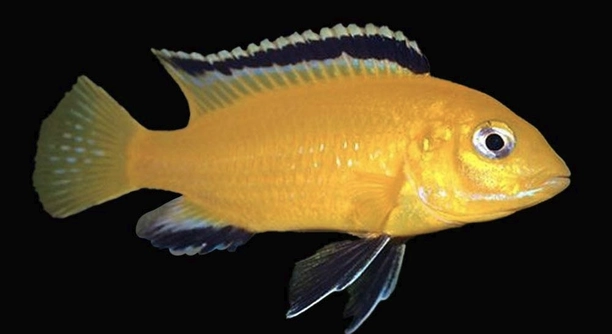
Cichlids are popular aquarium fish known for their vibrant colors and dynamic behavior. Observing changes in their behavior can be fascinating but also challenging to understand. Various factors can cause these changes to happen quickly and unexpectedly.
Several key factors influence cichlid behavior changes, including water quality, tank environment, social interactions, diet, lighting conditions, stress levels, and breeding cycles. Each factor can trigger noticeable behavioral shifts within a short period, impacting the fish’s overall well-being.
Knowing what affects your cichlid’s behavior helps maintain a healthy tank and supports your fish’s natural habits. This article highlights the main causes behind these rapid changes to keep your aquarium thriving.
Water Quality and Its Impact on Behavior
Water quality is one of the most important factors affecting cichlid behavior. Poor water conditions cause stress, which can lead to aggression, hiding, or lethargy. High levels of ammonia, nitrites, or nitrates are harmful to fish and can disrupt their normal activities. Temperature changes also influence their mood and activity level. Keeping the water clean and stable creates a comfortable environment for cichlids. Regular testing and water changes help maintain ideal conditions. Proper filtration is necessary to remove waste and toxins. When water quality is maintained, cichlids show natural behaviors like exploring and socializing. Sudden changes or poor maintenance quickly lead to unusual or aggressive actions, affecting the tank’s harmony. Ensuring good water quality is key to healthy and balanced behavior.
Maintaining water quality requires consistent testing and cleaning to avoid rapid behavior changes in cichlids.
Caring for your aquarium’s water means checking chemical levels weekly and performing partial water changes as needed. Using a reliable test kit makes it easier to detect harmful substances early. Adjusting temperature slowly avoids shocking the fish, preventing stress-induced aggression or hiding. A clean tank encourages your cichlids to display their natural colors and engage in normal social behaviors. Neglecting water quality often causes sudden shifts in activity and mood, which can be harmful. Regular care ensures your cichlids remain healthy and active, giving you a more enjoyable aquarium experience.
Social Interactions and Tank Environment
Cichlids respond quickly to changes in their social groups and environment. Adding or removing fish can upset their established hierarchy, causing aggression or withdrawal. Territory size and hiding spots also influence their behavior.
Social dynamics within a tank are complex and require careful management to keep peace.
Tank size plays a role in how cichlids interact. Overcrowding increases stress and aggressive encounters. Providing adequate space and proper decoration helps reduce conflicts. When introducing new fish, it’s important to monitor interactions closely to avoid bullying or fighting. Rearranging decorations or plants can cause temporary confusion but often helps establish new territories. Cichlids naturally defend their space, so clear boundaries reduce tension. Understanding these social needs helps maintain a calm and balanced tank where fish can thrive together. This balance improves their overall health and behavior stability.
Diet Changes
Sudden changes in diet can quickly affect cichlid behavior. Switching foods or feeding irregularly often causes stress or aggression.
When cichlids receive new or unfamiliar food, they may react by becoming more territorial or less active. Nutritional deficiencies or overeating can also lead to changes in mood and energy levels. Consistent feeding schedules and a balanced diet promote stable behavior. Avoid drastic diet shifts to prevent stress-related problems.
Offering a variety of foods suited to their species helps maintain healthy behavior. Fresh, high-quality pellets or flakes supplemented with occasional live or frozen food encourage natural feeding habits. Observing how your cichlids respond to diet adjustments can guide better feeding practices. This attention ensures your fish remain lively and sociable without unexpected behavioral disruptions.
Lighting and Stress Levels
Lighting directly affects cichlid activity and stress. Sudden changes in brightness or light duration can cause erratic behavior or hiding.
Proper lighting supports their natural rhythms and reduces stress. Using a timer helps maintain a consistent day-night cycle, minimizing stress-induced reactions. Bright, harsh lights may make cichlids skittish, while dim lighting can encourage more relaxed behavior.
Stress also arises from frequent disturbances, loud noises, or vibrations near the tank. Minimizing these factors creates a calmer environment. A stable routine combined with moderate lighting supports peaceful interactions and healthier fish overall. Reducing stress helps prevent aggression and improves your cichlids’ well-being in their aquatic home.
Breeding Cycles
Breeding cycles cause noticeable changes in cichlid behavior. During this time, fish become more territorial and protective.
Male cichlids often display brighter colors and increased aggression. Females focus on guarding eggs or fry, sometimes becoming reclusive.
Tank Decorations and Layout
Changes to tank decorations or layout can confuse cichlids and affect their behavior. Rearranging plants, rocks, or hiding spots disrupts established territories. This may lead to temporary aggression or hiding as fish re-establish boundaries. A stable environment reduces stress and supports consistent social behavior. Minor adjustments are best introduced slowly to minimize disturbances and allow fish to adapt comfortably to their surroundings.
Temperature Fluctuations
Sudden changes in water temperature can quickly alter cichlid behavior. Keeping temperature steady is important for their health and mood.
What causes sudden aggression in cichlids?
Sudden aggression in cichlids often results from changes in their environment or social dynamics. Introducing new fish, rearranging the tank, or poor water quality can trigger territorial behavior. Stress from inconsistent feeding or lighting can also increase aggression. Monitoring these factors helps reduce conflict and keep fish calm.
How does water quality affect cichlid behavior?
Water quality directly influences cichlid health and mood. High ammonia, nitrite, or nitrate levels cause stress and unusual behavior, such as hiding or aggression. Stable temperature and pH are essential. Regular water testing and maintenance prevent harmful fluctuations that upset the fish’s environment.
Can diet changes cause behavioral shifts?
Yes, sudden diet changes may cause stress or altered activity. Cichlids rely on a consistent, balanced diet for energy and well-being. Introducing new foods gradually helps avoid negative reactions like lethargy or aggression related to hunger or dietary imbalance.
Why do cichlids hide more at times?
Hiding usually signals stress or discomfort. Factors include poor water conditions, bullying by tank mates, or sudden changes in the tank layout. Breeding cycles also cause fish to seek shelter. Providing plenty of hiding spots and maintaining a peaceful environment reduces this behavior.
How do lighting conditions influence cichlids?
Lighting impacts cichlids’ natural rhythms and stress levels. Bright or inconsistent lighting can cause skittish or aggressive behavior. Using a timer to create a stable day-night cycle helps fish feel secure and reduces stress-related issues.
What role do breeding cycles play in behavior?
Breeding cycles cause significant behavioral changes. Males become more aggressive and territorial, often displaying vivid colors. Females guard eggs or fry closely, sometimes isolating themselves. Recognizing these cycles helps in managing tank conditions and minimizing stress.
How important is tank size and decoration for behavior?
Tank size affects social interactions; overcrowding leads to stress and fighting. Proper decorations create territories and hiding places, reducing aggression. Changing the layout abruptly can confuse fish, so adjustments should be gradual to support stable behavior.
Can stress from noise or vibrations affect cichlids?
Yes, loud noises or vibrations near the tank can stress cichlids, causing hiding or aggression. Keeping the tank in a quiet area with minimal disturbances helps maintain calm and healthy fish behavior.
What should I do if my cichlids suddenly change behavior?
First, check water quality and temperature. Review recent changes in diet, tank mates, or decorations. Address any stress factors quickly to restore balance. Providing a stable environment and routine feeding promotes healthy behavior and reduces sudden changes.
Final thoughts on cichlid behavior focus on understanding the many factors that can influence their mood and actions. Cichlids are sensitive fish that react quickly to changes in their environment. Water quality, tank conditions, diet, and social interactions all play a role in shaping how these fish behave. By paying attention to these areas, it is possible to maintain a stable environment that supports healthy and natural behavior.
Maintaining consistent care routines is important for preventing sudden shifts in behavior. Regular water testing and cleaning keep harmful chemicals low and water conditions stable. Providing enough space and proper hiding places helps reduce stress and aggression among fish. Feeding cichlids a balanced diet on a consistent schedule supports their energy and overall health. Also, monitoring lighting and minimizing noise or vibrations around the tank contribute to a calm atmosphere. When all these factors are managed carefully, cichlids are more likely to display their natural colors and social behaviors.
Understanding the reasons behind quick changes in cichlid behavior allows for better tank management and fish care. Some behavior changes are natural, such as during breeding cycles, but others can be signs of stress or poor conditions. Addressing these issues promptly can prevent more serious problems and improve the quality of life for the fish. In the end, a well-maintained tank creates a pleasant space for cichlids to thrive, making the aquarium more enjoyable for everyone who watches it.

Hello,
If you enjoy the content that we create, please consider saying a "Thank You!" by leaving a tip.
Every little bit helps us continue crafting quality advice that supports the health, happiness, and well-being of pets around the world, for pets of all shapes, sizes, and species.
We really appreciate the kindness and support that you show us!