
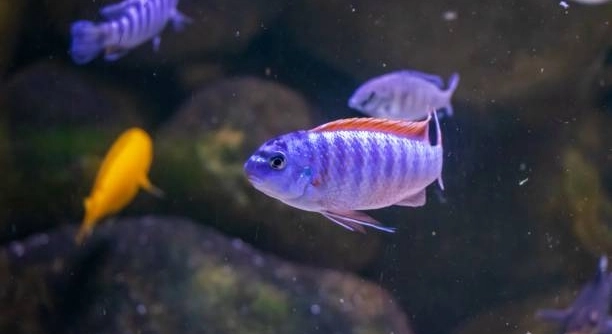
Cichlids are popular aquarium fish that many people enjoy keeping at home. They have bright colors and interesting behaviors that make them fun to watch. However, cichlids can sometimes show signs of stress that are not easy to notice right away.
Subtle signs of stress in cichlids include changes in color, reduced activity, loss of appetite, hiding more often, rapid breathing, fin clamping, and erratic swimming. Recognizing these signs early is important for maintaining their health and well-being.
Knowing these subtle signs will help you create a better environment for your cichlids and keep them happy and healthy for longer.
Changes in Color
One of the first signs that a cichlid may be stressed is a change in its color. Normally, these fish have vibrant and consistent colors, but stress can cause them to become pale or dull. This shift happens because stress affects their natural pigments. When cichlids lose color, it’s often a sign that something in their environment is wrong. It might be due to poor water quality, aggressive tank mates, or an illness. Paying attention to these subtle color changes helps you act early and adjust their care before things get worse. Sometimes the change is temporary, but if it lasts longer, it needs attention. Regularly checking water parameters and observing your fish closely can prevent problems from escalating. Keeping the tank clean and maintaining proper conditions will help your cichlids keep their beautiful colors.
Color changes in cichlids are a clear indicator of discomfort or stress and should never be ignored.
Understanding why color shifts happen allows you to improve your cichlid’s environment and promote their well-being.
Reduced Activity and Hiding
When cichlids feel stressed, they often swim less and spend more time hiding. This behavior is a natural way for them to avoid danger or discomfort. You might notice your fish staying near rocks, plants, or decorations instead of exploring the tank. Reduced movement is not just about laziness—it shows that your cichlid is trying to cope with an issue. Common causes include overcrowding, sudden changes in water temperature, or too much noise around the tank. It’s important to give them a calm and safe space so they feel secure. Watching for this change helps you spot stress before it leads to serious health problems.
Less swimming and frequent hiding are signs that your cichlid needs a quieter, more stable environment.
To help your fish feel safe again, consider rearranging the tank for more hiding spots, lowering stress factors, and ensuring consistent care routines. If the behavior continues, checking water quality and tank conditions becomes essential. Stress can weaken their immune system, making them prone to disease. Maintaining a peaceful environment with the right water temperature, good filtration, and compatible tank mates will encourage your cichlids to be more active. With patience and careful observation, you can support your fish to regain their normal behavior and thrive in their tank.
Loss of Appetite
Loss of appetite is a common sign of stress in cichlids. When they stop eating or eat less than usual, it usually means something is wrong. This can be caused by poor water conditions, illness, or stress from other fish.
When cichlids are stressed, their bodies go into survival mode. This often results in a reduced desire to eat, which can weaken them over time. If you notice your fish ignoring food or eating only a little, it’s important to check the water quality and tank conditions immediately. Illness or parasites may also cause loss of appetite, so a careful inspection is needed. Feeding them a varied diet and avoiding overfeeding helps maintain their health. Keeping the environment stable and stress-free encourages normal eating behavior, supporting your fish’s recovery.
Sometimes, a loss of appetite is temporary, but if it persists, it’s a sign that your cichlid needs attention. Proper care and observation can help your fish return to healthy eating habits.
Rapid Breathing and Fin Clamping
Rapid breathing is another subtle sign of stress in cichlids. It means the fish is working harder to get enough oxygen, often because of poor water quality or high stress levels. Fin clamping happens when the fish holds its fins close to the body instead of spreading them out. Both signs suggest discomfort or illness.
Rapid breathing can indicate low oxygen levels or high toxins in the water. It’s important to test ammonia, nitrite, and nitrate levels regularly and ensure good aeration in the tank. Fin clamping may be caused by stress or a sign of bacterial infection. These symptoms often appear together and signal that something is wrong in the fish’s environment. Addressing water quality issues quickly and reducing stressors like aggressive tank mates can improve your cichlid’s condition. Observing these signs early allows for timely action to protect your fish’s health and comfort.
Erratic Swimming
Erratic swimming is a clear sign that a cichlid is stressed or unwell. The fish may dart around suddenly, swim in circles, or struggle to maintain balance. This behavior often shows discomfort or irritation.
This can result from poor water quality, parasites, or an injury. Watching for unusual swimming helps catch problems early.
Fin Damage or Clamping
Damaged or clamped fins are common stress indicators in cichlids. Clamped fins mean the fish keeps its fins tight against its body, while damaged fins may look torn or frayed. Both suggest poor water conditions or aggression from tank mates.
Hiding More Than Usual
When cichlids hide often, it usually means they feel unsafe or stressed. Constant hiding reduces their activity and can lead to health problems if left unaddressed.
What causes stress in cichlids?
Stress in cichlids can be caused by many factors. Poor water quality, such as high ammonia or nitrate levels, is a common cause. Overcrowding in the tank or aggressive tank mates can also stress them. Sudden changes in temperature or pH can make them uncomfortable. Lack of hiding places or too much noise around the aquarium adds to their stress. Illness or parasites also cause stress. It’s important to keep their environment stable and clean to reduce stress.
How can I tell if my cichlid is stressed?
Signs of stress include changes in color, reduced activity, loss of appetite, rapid breathing, fin clamping, erratic swimming, and hiding more than usual. These behaviors show that your fish is uncomfortable or unhealthy. Watching your cichlids regularly helps you notice these subtle signs before they get worse.
Why does my cichlid lose color?
Color loss happens when cichlids feel stressed or sick. Stress affects their natural pigments, making them look pale or dull. Poor water quality or illness often causes this. Sometimes aggression from other fish or improper diet can also cause color changes. Improving water conditions and reducing stress usually helps their color return.
What should I do if my cichlid stops eating?
If your cichlid loses its appetite, first check the water quality. Poor water conditions or illness often cause loss of appetite. Make sure the tank is clean and stable. Try offering a varied diet, including live or frozen foods, to tempt them. Avoid overfeeding, as uneaten food can worsen water quality. If the loss of appetite continues, consider consulting a vet or fish expert.
How do I fix rapid breathing in my cichlid?
Rapid breathing often means the fish isn’t getting enough oxygen or is stressed. Check your tank’s oxygen levels by ensuring good water movement and surface agitation. Test water parameters for toxins like ammonia or nitrites. If these are high, perform partial water changes immediately. Reducing stressors, like aggressive tank mates or loud noises, also helps calm your fish.
Why is my cichlid hiding all the time?
Frequent hiding means your cichlid feels threatened or stressed. This can happen because of aggressive tank mates, poor water conditions, or lack of hiding spaces. Adding plants, rocks, or decorations gives your fish safe places to retreat. Make sure the tank isn’t overcrowded and keep the environment calm.
Can stress cause illness in cichlids?
Yes, stress weakens a cichlid’s immune system, making it easier for diseases to develop. Stress can trigger infections like fin rot or parasites. Maintaining good water quality and reducing stress helps prevent illness. Early recognition of stress signs can keep your fish healthier.
How often should I test my aquarium water?
It’s best to test your water weekly for ammonia, nitrite, nitrate, and pH levels. Regular testing helps catch problems early and keeps your tank environment safe for your cichlids. Adjusting water conditions quickly prevents stress and health issues.
Can diet affect stress levels in cichlids?
Yes, a poor diet can stress cichlids by weakening their health and immune system. Feeding a balanced, varied diet with high-quality pellets, flakes, and occasional live or frozen foods keeps them strong. Avoid overfeeding, which can pollute the water and add stress.
What can I do to reduce stress in my cichlids?
Keep water clean and stable by doing regular water changes. Provide plenty of hiding places and avoid overcrowding. Choose compatible tank mates to prevent aggression. Maintain consistent temperature and pH. Avoid sudden changes and limit noise around the tank. A calm, stable environment helps your cichlids feel safe and healthy.
How long does it take for stressed cichlids to recover?
Recovery time varies depending on the cause and severity of stress. With good care, many cichlids start to improve within a few days to weeks. Fixing water quality, reducing aggression, and offering a healthy diet speed up recovery. Patience and consistent care are important.
Should I quarantine new cichlids?
Quarantining new fish is highly recommended. It prevents the introduction of diseases and reduces stress for both new and existing fish. A quarantine tank allows you to monitor health and treat problems before adding fish to the main aquarium. This helps keep all your cichlids healthy.
Can environmental enrichment reduce stress?
Yes, adding plants, rocks, and decorations mimics a natural habitat and offers hiding spots. This reduces stress by giving cichlids places to feel secure. Changing the layout occasionally and providing stimulation keeps them active and less bored. A well-decorated tank supports better health and behavior.
Is it normal for cichlids to show signs of stress sometimes?
Minor stress signs can happen occasionally, especially after changes or new introductions. However, persistent stress is harmful and should be addressed. Consistent observation and care help prevent stress from becoming a serious issue.
What role does tank size play in stress?
Small tanks often cause stress because they limit swimming space and increase aggression. Larger tanks provide room for territories and reduce conflict. Proper tank size based on species and number of cichlids is essential to lower stress and keep them healthy.
Caring for cichlids can be very rewarding, but it also comes with responsibilities. Stress in these fish is often subtle and easy to miss if you don’t watch closely. Paying attention to small changes like color fading, reduced activity, or hiding more than usual can help you spot problems early. When you notice these signs, it is important to check your tank’s conditions right away. Good water quality, proper tank size, and peaceful tank mates are key to keeping cichlids comfortable. Taking these steps helps prevent stress before it leads to health issues.
Understanding the signs of stress and acting quickly makes a big difference in your cichlids’ health. Sometimes the causes are simple to fix, like cleaning the tank or adjusting water temperature. Other times, it may mean changing how many fish are in the tank or separating aggressive individuals. Feeding a balanced diet and creating a natural environment with hiding places also reduces stress. Each cichlid is unique, so learning how your fish behave normally will help you notice when something is wrong. Consistent care and observation are the best ways to keep your cichlids happy and healthy.
Remember that stress weakens your fish’s immune system, making them more vulnerable to disease. Early detection and proper care can save your cichlids from serious health problems. Keeping a calm and stable environment is the best way to support their well-being. If you ever feel unsure about your fish’s health, don’t hesitate to seek advice from experienced hobbyists or professionals. With attention and effort, you can create a safe and thriving home for your cichlids that allows them to show their full colors and natural behaviors.

Hello,
If you enjoy the content that we create, please consider saying a "Thank You!" by leaving a tip.
Every little bit helps us continue crafting quality advice that supports the health, happiness, and well-being of pets around the world, for pets of all shapes, sizes, and species.
We really appreciate the kindness and support that you show us!