
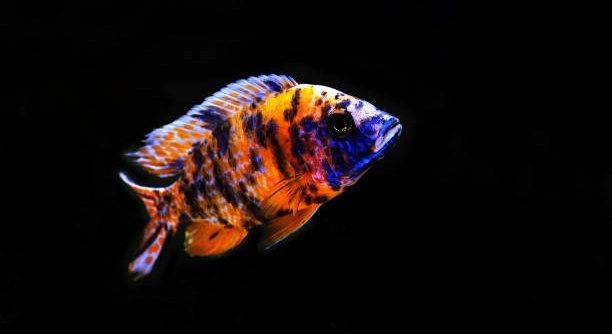
Cichlids are popular aquarium fish known for their vibrant colors and interesting behaviors. Many owners enjoy watching how these fish interact with one another over time. Observing signs of bonding can deepen the connection between keeper and fish.
Cichlids show bonding through subtle behaviors such as swimming closely together, cleaning each other, sharing territory, synchronized movements, and gentle nipping. These actions indicate social bonding, trust development, and the formation of strong pair or group relationships.
Recognizing these signs helps aquarists better understand their fish’s social needs and creates a more harmonious tank environment.
Close Swimming and Physical Contact
Cichlids that are bonding tend to swim very close to each other, often side by side or following one another around the tank. This close swimming is a sign that they feel comfortable and safe together. You might notice them touching gently with their bodies or fins. This physical contact helps build trust and strengthens their connection. In many cases, bonded cichlids will spend more time near each other than apart, showing a clear preference. This behavior is more common among pairs or small groups, especially when they are preparing to breed. Watching these interactions can be quite calming and rewarding for any tank owner who pays attention.
Swimming close together reduces stress and increases their sense of security. It’s a natural way for cichlids to maintain social bonds and feel protected in their environment.
Recognizing this close swimming behavior allows tank owners to understand the social dynamics better. When cichlids stay near each other, it often means their relationship is strong, which can improve overall tank harmony and reduce aggressive incidents.
Mutual Cleaning Behavior
Mutual cleaning is a subtle but important sign that cichlids are bonding. One fish will gently pick at the scales or fins of another, removing dirt or parasites. This behavior requires trust because it involves close contact and vulnerability. Cichlids that engage in cleaning show they accept each other as part of their social group. This action helps keep them healthy, but more importantly, it signals a positive relationship. Cleaning often occurs more frequently in pairs or small groups that have established bonds. It also helps reduce tension and aggression, making the tank environment calmer and more balanced.
When cichlids clean each other, they reinforce social bonds and create a sense of cooperation. This behavior supports their overall wellbeing and tank harmony. Understanding mutual cleaning can improve how owners care for their fish by encouraging healthy social interactions. Providing enough space and hiding spots can promote more natural cleaning behaviors and strengthen cichlid relationships over time. Watching these moments reminds owners that fish communicate in many quiet, meaningful ways.
Territory Sharing
Cichlids that are bonding often share the same territory without showing aggression. This shared space signals trust and cooperation between them. Instead of fighting over territory, they learn to coexist peacefully, marking an important social connection.
When cichlids share territory, it reflects a developed bond where both feel secure. They protect the space together and often defend it as a team against outsiders. This behavior is common in pairs or groups preparing for breeding or raising young. The shared territory becomes a safe zone where they can relax and interact without stress. Such peaceful coexistence improves tank dynamics and reduces aggressive encounters.
Territory sharing shows how social bonds can change fish behavior from competitive to cooperative. This shift benefits the whole aquarium environment by encouraging harmony. Recognizing this sign helps owners maintain balanced groupings and avoid unnecessary stress or injury. Supporting this behavior with adequate space and hiding spots encourages stronger bonds and happier fish.
Synchronized Movements
Cichlids that bond often swim in sync, matching each other’s pace and direction. This coordination reflects their connection and mutual awareness. Synchronized swimming is a non-verbal way they communicate trust and companionship.
This behavior requires attention and practice, indicating a deepening relationship between fish. When cichlids move together smoothly, they show they are comfortable and in tune with one another’s presence. It also helps them stay alert to potential threats and react as a unit. Observing this can be fascinating because it reveals how fish relationships develop beyond simple coexistence. Synchronized movements are a clear, visible sign that the fish share a strong social bond.
Encouraging this behavior involves creating an environment where fish feel safe and unthreatened. Consistent tank conditions and minimal disruptions support their ability to focus on one another. This harmony not only benefits their mental health but also makes the aquarium more enjoyable to watch.
Gentle Nipping
Gentle nipping between cichlids can be a bonding behavior rather than aggression. It shows they are testing boundaries while maintaining a connection. This light interaction helps build trust without causing harm.
When nipping is soft and infrequent, it indicates a playful or communicative gesture. Fish use it to reinforce social ties, unlike aggressive biting which is more forceful and damaging.
Shared Feeding
Cichlids that bond may eat close to one another or even share food areas. This behavior suggests comfort and reduced competition within their social group. They trust that resources are safe and don’t need to be aggressively defended.
Mutual Protection
Bonded cichlids often watch out for each other and respond quickly to potential threats. This shared vigilance increases their chances of survival and strengthens their bond over time.
Resting Together
Cichlids that feel bonded often rest near each other in the tank. Staying close while resting is a sign of trust and comfort within the group or pair.
How can I tell if my cichlids are really bonding or just tolerating each other?
Bonding cichlids show consistent positive interactions like swimming close together, mutual cleaning, and sharing territory without signs of stress or aggression. Tolerating fish may coexist but keep more distance and show occasional displays of dominance or minor fights. Watching their behavior over time helps clarify whether a true bond exists. If you notice synchronized movements and gentle nipping rather than aggressive chasing or fin biting, it’s a strong indication of bonding.
Is it normal for bonded cichlids to still show some aggression?
Yes, some aggression can still occur among bonded cichlids, especially during breeding or defending territory. However, this aggression is usually limited and doesn’t escalate into serious fights. Gentle nipping or brief chasing may happen, but overall peaceful interactions should dominate. If aggression becomes frequent or harmful, it could mean stress, overcrowding, or incompatibility.
Can cichlids bond with different species?
Cichlids can sometimes bond with other species, particularly if tank conditions promote calmness and enough space exists. However, bonding is more common and stronger among the same or closely related species. Differences in behavior and territorial needs can make interspecies bonding more challenging but not impossible.
How long does it take for cichlids to bond?
Bonding time varies depending on species, tank environment, and individual personalities. It may take weeks to several months for cichlids to develop strong social bonds. Providing a stable, stress-free environment speeds up the process. Patience and observation are key during this period.
What should I do if my cichlids aren’t bonding?
If bonding isn’t happening, check tank size, water conditions, and stocking levels. Overcrowding or poor water quality can increase stress and aggression. Introducing more hiding spots and rearranging decorations may encourage positive interactions. Sometimes, certain fish just aren’t compatible and may need to be separated for their wellbeing.
Does bonding affect cichlid breeding behavior?
Yes, bonding plays a big role in breeding. Strongly bonded pairs are more likely to spawn successfully and share parenting duties. Their cooperation improves egg and fry survival. Observing bonding signs can help identify potential breeding pairs and better support them.
Can bonding reduce aggression in a community tank?
Bonding helps lower aggression by creating social groups that feel secure and cooperative. When cichlids bond, they spend less energy fighting and more time engaging positively. This can improve the overall atmosphere of the tank, making it calmer and more balanced.
Are bonded cichlids healthier?
Bonded cichlids often show reduced stress levels, which supports better immune function and overall health. Social connections can improve feeding behavior and encourage natural activities. However, good water quality and proper care remain essential regardless of bonding.
What environmental factors encourage bonding?
Stable water parameters, adequate tank size, and plenty of hiding places all support bonding. Minimizing sudden changes and avoiding overcrowding reduce stress and allow fish to focus on social interactions. Feeding a balanced diet also helps maintain peaceful relationships.
Should I separate cichlids if they show early signs of aggression?
Not necessarily. Mild displays of dominance are normal as fish establish social order. Observe the situation closely to see if aggression decreases or escalates. If injuries occur or aggression is persistent, separation may be needed to protect the fish.
How can I encourage bonding in new cichlids added to an established tank?
Introduce new cichlids slowly and provide plenty of space and hiding spots. Keeping water conditions stable and feeding regularly helps reduce stress. Monitor their behavior closely and avoid adding too many fish at once. Over time, some new fish will integrate and bond naturally.
Can bonded cichlids become aggressive if tank conditions change?
Yes, changes like poor water quality, overcrowding, or sudden rearrangements can stress fish and increase aggression, even among bonded pairs. Maintaining a stable, comfortable environment is key to preserving positive relationships.
Is it possible for bonded cichlids to lose their bond?
Yes, bonds can weaken or break due to stress, illness, or environmental changes. If fish start avoiding each other or become aggressive, it may indicate a broken bond. Addressing underlying issues can sometimes restore their connection.
How do I know if my bonded cichlids need more space?
Signs that more space is needed include increased chasing, fin damage, and frequent hiding. If territorial disputes become common or fish seem stressed, it may be time to upgrade the tank or rearrange decor to provide more zones.
Can I handle bonded cichlids differently during feeding?
Feeding bonded cichlids together usually works well, as they often eat in proximity without conflict. However, watch for any signs of food aggression. Spreading food across the tank helps ensure all fish get enough without competition.
Understanding how cichlids bond can greatly improve the experience of keeping them in an aquarium. These fish communicate in subtle ways that often go unnoticed, but recognizing their behaviors helps create a peaceful environment. When cichlids bond, they show signs like swimming close together, cleaning each other, and sharing territory. These behaviors are important because they show trust and social connection between the fish. Knowing what to look for can help owners better care for their cichlids and support healthy relationships.
Creating the right environment is key to encouraging bonding among cichlids. This means providing enough space, hiding spots, and stable water conditions. When fish feel safe and comfortable, they are more likely to interact positively and develop strong social bonds. It is normal for some aggression to happen, but overall peaceful behavior should be the goal. Observing your fish regularly can give insights into their social structure and well-being. If problems arise, making adjustments to the tank or separating incompatible fish can reduce stress and improve harmony.
Bonding not only benefits the cichlids but also makes the aquarium more enjoyable to watch. Fish that interact well together often appear more active and show natural behaviors. This can add interest and satisfaction for owners who want to see healthy, thriving fish. Taking the time to learn about these subtle signs and creating a supportive environment pays off in the long run. Supporting your cichlids’ social needs leads to a more balanced tank and a better experience overall.

Hello,
If you enjoy the content that we create, please consider saying a "Thank You!" by leaving a tip.
Every little bit helps us continue crafting quality advice that supports the health, happiness, and well-being of pets around the world, for pets of all shapes, sizes, and species.
We really appreciate the kindness and support that you show us!