
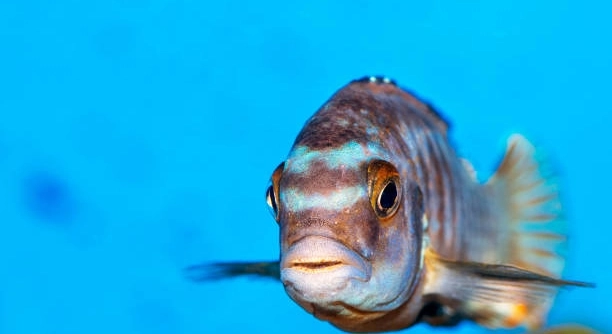
African cichlids are popular aquarium fish known for their vibrant colors and lively behavior. Sometimes, these fish may start darting around the tank in an unusual way. This erratic movement can be confusing and worrying for many fish owners.
Erratic darting in African cichlids is often caused by stress, poor water quality, or sudden changes in the environment. It can also indicate illness or aggression from other tank mates, which disrupts their normal behavior and causes them to swim unpredictably.
Recognizing the reasons behind this behavior helps keep your fish healthy and happy in their home. Understanding these signs is important for every cichlid owner.
Common Causes of Erratic Darting in African Cichlids
African cichlids darting erratically can be traced to several common causes. Poor water quality is one of the main reasons. High levels of ammonia, nitrites, or nitrates irritate fish and make them swim frantically. Sudden changes in water temperature or pH also stress them out. In addition, overcrowding the tank can increase aggression and cause fish to dart to avoid confrontations. Sometimes, introducing new fish disrupts the established social balance, leading to nervous, fast movements. Illness or parasites can make cichlids uncomfortable, causing quick, jerky swimming. Lastly, a lack of hiding spaces can leave fish feeling exposed and vulnerable, leading to erratic behavior. It is important to regularly test water and maintain a stable, clean environment to prevent these issues. Keeping a peaceful tank with enough space and hiding spots supports calm behavior in your cichlids.
Regular water testing and tank maintenance help prevent erratic swimming caused by environmental stressors.
Observing your fish closely for signs of illness or aggression can guide you in adjusting tank conditions or separating aggressive individuals to improve their behavior. Maintaining a clean tank with stable water parameters and providing enough space allows cichlids to swim naturally and reduce stress-related darting.
How to Improve Your African Cichlid’s Behavior
Fixing erratic darting starts with checking water quality. Use test kits to monitor ammonia, nitrites, and nitrates, and perform regular water changes if needed. Make sure the tank is not overcrowded, and rearrange decorations to give each fish its own territory. Providing hiding places with rocks or plants helps fish feel secure. If aggression is a problem, consider separating aggressive fish or adding species that balance tank dynamics. Also, maintain a consistent temperature and avoid sudden changes. Feeding your cichlids a balanced diet supports their immune system and overall well-being. If illness is suspected, isolate the sick fish and seek advice on treatment options. Patience is key when making changes; give your fish time to adjust and watch their behavior improve gradually. Consistency in care leads to a healthier and more peaceful tank environment.
Recognizing Signs of Stress in African Cichlids
Erratic darting is often a sign of stress in African cichlids. Other signs include loss of appetite, hiding more than usual, and color fading. These behaviors show the fish are uncomfortable or unhappy with their environment.
Stress in African cichlids can come from many sources like poor water quality, aggressive tank mates, or sudden changes in the tank. When stressed, fish may swim frantically or try to escape, which is not normal behavior. Watching for other symptoms, such as clamped fins or rapid breathing, helps identify if stress is the cause. Early detection allows you to take action before health worsens.
It is important to create a calm environment with stable water parameters and peaceful tank mates. Providing plenty of hiding spots helps reduce stress. If you notice persistent darting, consider testing water, adjusting tank conditions, or rearranging fish to ease tension. Small changes often make a big difference.
Water Quality and Its Impact on Behavior
Poor water quality directly affects how your cichlid behaves. High ammonia or nitrite levels irritate their gills and skin, causing discomfort that makes them swim erratically. Ammonia is toxic and can quickly harm fish, so regular testing is essential. Even small spikes cause noticeable changes in behavior.
Maintaining clean water involves regular partial water changes, removing uneaten food, and cleaning filters. Avoid overfeeding because leftover food breaks down and pollutes the water. Stable temperature and pH are equally important, as sudden shifts stress fish and lead to erratic swimming. Monitoring these factors prevents many common health problems.
Using a reliable water test kit helps you track important parameters. Keeping the tank stable and clean improves your cichlid’s mood and reduces darting behavior. This care routine creates a healthy environment where your fish can thrive calmly.
Tank Setup and Its Role in Fish Behavior
A well-organized tank helps reduce stress and erratic swimming. Proper hiding spots and enough swimming space allow cichlids to feel safe and calm. Overcrowding can cause tension and unpredictable movements.
Arranging rocks, plants, and decorations to create territories helps lower aggression. Each fish needs its own space to thrive and behave naturally.
Aggression and Social Dynamics
African cichlids are territorial and can be aggressive toward tank mates. This aggression causes darting as fish try to avoid confrontations or establish dominance. Understanding their social behavior is key to managing tank harmony and reducing stress-related erratic swimming.
Monitoring Health for Behavior Changes
Watch for signs of illness like spots, swelling, or loss of appetite. Sickness often leads to abnormal swimming patterns, including darting. Early detection and treatment improve chances of recovery and calmer behavior.
Feeding Habits and Their Effects
Why is my African cichlid darting suddenly?
Sudden darting is usually a response to stress or fear. Changes in water temperature, poor water quality, or the introduction of new fish can upset their environment. These changes cause the fish to swim quickly to escape what feels like a threat or discomfort. Watching for other signs like hiding or loss of appetite can help identify the root cause.
Can poor water quality cause erratic swimming?
Yes, poor water quality is one of the leading causes. High levels of ammonia, nitrites, or nitrates irritate fish gills and skin, making them uncomfortable. This irritation can lead to erratic or frantic swimming as they try to find relief. Regular water testing and maintenance are essential to keep water safe and fish healthy.
How often should I test my aquarium water?
Testing the water weekly is a good routine to follow. Frequent checks help catch problems early before they cause harm. Testing should include ammonia, nitrite, nitrate levels, pH, and temperature. Keeping these factors stable reduces stress and prevents erratic behaviors like darting.
What role does tank size play in cichlid behavior?
Tank size is very important. African cichlids need enough space to swim freely and establish territories. A small or overcrowded tank increases stress and aggression, leading to erratic swimming. Providing at least 30 gallons for a few cichlids is recommended, with more space needed for larger groups.
How do tank mates affect my cichlid’s swimming?
Tank mates influence behavior greatly. Aggressive or incompatible species may bully your cichlid, causing it to dart around to avoid attacks. Choose tank mates carefully, preferably species with similar temperament or those known to cohabitate peacefully. Separating aggressive fish can help calm the tank.
Can illness cause my cichlid to swim erratically?
Yes, illnesses or parasites often cause abnormal swimming. If your fish shows darting along with other symptoms like clamped fins, white spots, or loss of appetite, it may be sick. Early treatment is crucial to prevent worsening and improve recovery chances.
How can I reduce aggression in my cichlid tank?
Reducing aggression involves providing hiding spots and enough space for each fish to claim territory. Rearranging decorations regularly can break up established territories and reduce fighting. Avoid overcrowding and consider separating very aggressive fish to prevent stress-induced darting.
Is erratic swimming always a sign of a problem?
Not always. Sometimes cichlids dart quickly when chasing food or exploring. However, frequent or sudden darting without clear cause usually indicates stress or discomfort. Observing overall behavior and environment helps determine if intervention is needed.
What should I do if my cichlid keeps darting?
Start by testing and improving water quality. Check tank mates and tank size to ensure compatibility and space. Add hiding places and maintain stable conditions. If the behavior continues, monitor for illness and consult a vet or fish expert for treatment advice.
Does diet impact my cichlid’s behavior?
Yes, diet affects health and activity levels. Poor nutrition can weaken immune systems, making fish more sensitive to stress and illness, which leads to erratic swimming. Feed a balanced diet with high-quality pellets, occasional live or frozen foods, and avoid overfeeding.
Can sudden changes in tank environment cause darting?
Sudden changes like moving decorations, new fish, or water parameter shifts often startle cichlids. They react by darting to find safety. Minimizing sudden changes and introducing new elements slowly can help fish adjust without stress.
How important are hiding spots in preventing erratic swimming?
Hiding spots are essential. They provide a safe retreat where fish feel secure, reducing fear and aggression. Lack of hiding places leaves fish exposed and stressed, increasing darting behavior. Use rocks, plants, or caves to create comfortable spaces.
Can lighting affect my African cichlid’s swimming?
Bright or inconsistent lighting can stress cichlids. Too much light makes fish nervous, while sudden changes can startle them. Using a regular light schedule with moderate brightness helps maintain calm behavior and prevents unnecessary darting.
Is it normal for cichlids to dart when feeding?
Yes, quick movements during feeding are common as they chase food. This type of darting is usually short and controlled. If darting happens outside feeding times or seems frantic, it might signal stress or discomfort instead.
How do I know if darting is caused by aggression?
If darting happens near other fish and is followed by chasing or biting, aggression is likely. Signs include torn fins or damaged scales. Separating aggressive fish or rearranging the tank to break up territories helps reduce conflict and erratic swimming.
What is the best way to calm a stressed African cichlid?
Create a stable environment with clean water and proper temperature. Provide hiding places and keep tank mates peaceful. Avoid sudden changes and feed a balanced diet. Patience is key—stress takes time to reduce, but consistent care will help your fish feel safe and calm.
African cichlids are beautiful and lively fish that bring energy to any aquarium. However, when they start darting erratically, it can be a sign that something in their environment is not quite right. This behavior usually points to stress caused by factors like water quality, tank setup, or social dynamics. Paying attention to these details can help keep your cichlids calm and healthy. Regular maintenance and observation are important steps to prevent problems before they start.
Water quality is one of the most important factors affecting cichlid behavior. Keeping ammonia, nitrite, and nitrate levels low is essential because high levels can harm your fish and cause them to swim frantically. Changing the water regularly, cleaning the tank, and avoiding overfeeding all help maintain good water conditions. A stable temperature and pH also play a key role in preventing stress. When the water environment is right, cichlids feel comfortable and are less likely to display erratic movements.
Tank setup and fish compatibility are just as important. African cichlids are territorial and sometimes aggressive, so giving each fish enough space and places to hide reduces tension. Overcrowding or mixing incompatible species can lead to constant chasing and darting. Rearranging decorations or separating aggressive fish can make a big difference. Watching your fish closely for changes in behavior or health will help you act quickly if problems arise. With proper care and attention, your African cichlids can live happily and swim naturally in a peaceful aquarium.

Hello,
If you enjoy the content that we create, please consider saying a "Thank You!" by leaving a tip.
Every little bit helps us continue crafting quality advice that supports the health, happiness, and well-being of pets around the world, for pets of all shapes, sizes, and species.
We really appreciate the kindness and support that you show us!