
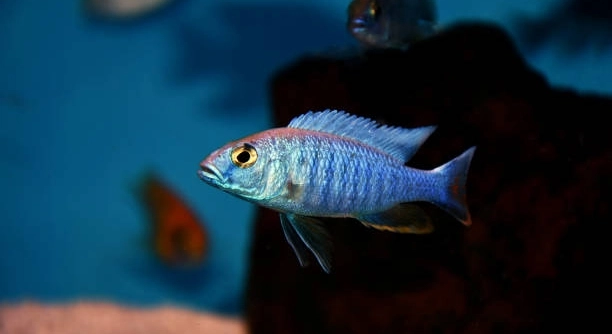
Many fishkeepers notice their cichlids acting differently before storms or weather changes. These fish sometimes seem more alert or restless when the air pressure shifts. Understanding if cichlids can sense these changes helps in caring for them properly.
Cichlids are believed to detect pressure changes through their lateral line system, which senses vibrations and water movement. This sensory ability likely allows them to respond to storms or environmental shifts, though scientific studies on this behavior are still limited.
Knowing how cichlids react to weather can improve aquarium care and help create a more comfortable environment for these popular fish.
How Cichlids Detect Pressure Changes
Cichlids have a special sensory system called the lateral line, which runs along the sides of their bodies. This system helps them detect vibrations and slight movements in the water. When the air pressure changes before a storm, it can affect the water pressure too. Cichlids pick up on these subtle changes through their lateral line. This makes them more alert or sometimes restless as they prepare for the coming weather shift. Besides pressure, the lateral line also helps cichlids detect nearby objects or predators. This sensitivity is important for their survival in the wild and in aquariums. Although there is no direct proof that cichlids can predict storms, many observations support the idea that they respond to changes in their environment caused by weather patterns. Understanding this helps aquarium owners notice when something in the atmosphere is about to change.
Their ability to sense water pressure changes can be quite sharp, affecting their behavior noticeably.
Recognizing these signals allows caretakers to adjust tank conditions, like reducing feeding or dimming lights, to keep cichlids calm during weather shifts. This attention to detail improves their well-being and reduces stress, which is important for long-term health in captivity.
Factors Influencing Sensory Sensitivity
Water temperature and quality can affect how well cichlids sense pressure changes. Warmer water might make them more active, while poor water quality can dull their senses. The size and species of the cichlid also play a role in how sensitive they are to environmental shifts.
Besides pressure changes, sudden noises or vibrations near the tank can cause similar reactions. This means it’s important to keep their environment stable. Sudden disturbances might be mistaken for approaching storms by the fish, causing unnecessary stress. Tank setup, including decorations and hiding places, influences how comfortable cichlids feel during these moments. When they have places to hide, they cope better with sudden changes. Monitoring these factors helps in creating an environment where cichlids can respond naturally without added stress from their surroundings.
Behavior Changes Before Storms
Cichlids often become more active or agitated when a storm approaches. They may swim faster or hide more than usual. These behaviors suggest they notice environmental changes before humans do.
This change in behavior is likely linked to the drop in barometric pressure that happens before storms. As pressure decreases, the water conditions change subtly. Cichlids sense these shifts through their lateral line system, which makes them more alert. In some cases, they may also reduce feeding or seek shelter to prepare for the disturbance. Observing these behaviors can give insight into how sensitive fish are to their environment.
Aquarium owners sometimes notice these reactions as early warning signs. Adjusting tank lighting or avoiding sudden disturbances during these times can help reduce stress and keep the fish comfortable until the weather stabilizes.
How to Support Cichlids During Weather Changes
Providing stable water conditions is crucial when cichlids react to storms. Regular water changes and temperature control help minimize stress. Avoid making major tank changes during these periods to keep the environment calm.
Keeping the aquarium environment stable reduces additional stress caused by sudden changes. Gentle lighting and minimal noise can soothe cichlids experiencing pressure shifts. Adding hiding spots or plants offers them a sense of security. Watching their behavior carefully during weather changes helps in understanding their needs. This knowledge lets caretakers provide better care and maintain healthy, happy fish despite natural environmental changes.
Common Misunderstandings About Cichlid Behavior
Not all sudden movements or hiding behaviors in cichlids are caused by storms. Sometimes, they react to changes inside the tank, like new decorations or other fish.
Stress can come from many sources, so it’s important to observe carefully. Identifying the real cause helps prevent unnecessary worry or mistakes in care.
Sensory Systems Beyond the Lateral Line
Cichlids also use their inner ear and vision to understand their environment. These systems work together to help them respond to changes, including pressure shifts or nearby movements. Their senses allow them to navigate, avoid danger, and find food effectively.
The combined sensory input is important because it gives cichlids a better chance of survival. While the lateral line senses vibrations, the inner ear helps with balance and detecting low-frequency sounds. Vision helps spot predators or prey, especially in clearer water. These systems together create a well-rounded way for cichlids to stay aware of what is happening around them.
Signs of Stress to Watch For
If cichlids hide constantly or stop eating, it could mean they are stressed.
FAQ
Can cichlids really sense storms before they happen?
Cichlids do not predict storms like humans, but they can detect changes in water pressure and vibrations linked to weather changes. These subtle shifts often happen before storms arrive. Their lateral line system senses these changes, which can cause them to behave differently, such as becoming more active or hiding. While this isn’t an exact prediction, it shows they respond to environmental changes around them.
How does the lateral line system work in cichlids?
The lateral line is a row of tiny sensory organs running along the sides of the fish. These organs detect water movement and vibrations. When pressure changes due to weather shifts, the lateral line picks up these signals. This helps cichlids sense their surroundings more clearly and respond to potential dangers or changes in water conditions.
Do all cichlids react the same way to pressure changes?
No, reactions can vary by species and individual fish. Some cichlids become more active and swim faster, while others may hide or become less responsive. Factors like age, health, and tank conditions also affect their sensitivity. Understanding your specific cichlid species can help you better interpret their behavior during pressure changes.
Can other factors cause similar behavior to storm sensing?
Yes, changes inside the tank such as new decorations, aggressive tank mates, or water quality issues can cause stress and behavior changes similar to those caused by pressure shifts. It’s important to rule out these factors before assuming the fish are reacting to weather changes.
How can I reduce stress in my cichlids during storms?
Maintain stable water conditions by monitoring temperature, pH, and cleanliness. Avoid major changes in the tank when a storm is approaching. Dim the lights slightly and reduce noise or vibrations near the aquarium. Providing hiding places helps cichlids feel safe and secure during these times.
Is there scientific proof that cichlids sense storms?
Direct scientific studies on cichlids sensing storms are limited. However, their lateral line system is well understood, and many fishkeepers observe behavior changes before weather shifts. These observations support the idea that cichlids respond to environmental pressure changes, though more research could provide clearer answers.
Can cichlids sense other environmental changes besides storms?
Yes, cichlids use their senses to detect food, predators, and changes in water flow. Their lateral line helps them feel vibrations caused by other animals or movements nearby. Vision and inner ear senses also contribute to their awareness of the environment.
Should I change feeding habits when a storm is coming?
It’s a good idea to feed less or avoid feeding right before a storm if you notice your cichlids are less active or stressed. Reduced feeding during these times can prevent wasted food and reduce stress on their digestive system.
How do I know if my cichlids are stressed due to pressure changes?
Signs of stress include hiding for long periods, refusing food, rapid breathing, or unusual swimming patterns. If these behaviors coincide with weather changes, pressure shifts might be a factor. Regularly monitoring their behavior helps catch stress early.
Can lighting affect how cichlids react to storms?
Yes, bright or flickering lights can increase stress, especially when cichlids are already sensitive due to pressure changes. Dimming the lights or using natural light cycles can help keep them calm during these times.
Cichlids have interesting ways of reacting to changes in their environment, especially when the weather is about to change. Their lateral line system helps them sense shifts in water pressure and vibrations, which often happen before storms. This natural ability allows them to respond to what is going on around them. Although they do not predict storms like humans, their behavior can change noticeably, such as becoming more active, hiding, or showing signs of stress. Understanding this helps aquarium owners take better care of their fish and provide an environment where they feel safe.
Taking care of cichlids during these times means paying close attention to their behavior and the conditions in the tank. When a storm or pressure change is expected, it’s helpful to maintain stable water quality and avoid sudden changes. Small adjustments like dimming the lights or reducing noise near the aquarium can make a big difference. Adding hiding spots gives cichlids a place to feel secure, which lowers their stress levels. Watching how your fish react helps you understand their needs and supports their health in the long run.
Overall, knowing that cichlids can sense environmental changes is useful for anyone who keeps them. It reminds us that fish are sensitive creatures who experience their surroundings in ways we may not always notice. By creating a calm and stable habitat, you allow your cichlids to live more comfortably through weather shifts. This care not only improves their daily lives but also helps prevent health problems linked to stress. Paying attention to these details shows respect for the natural behaviors of cichlids and helps build a better relationship between you and your fish.

Hello,
If you enjoy the content that we create, please consider saying a "Thank You!" by leaving a tip.
Every little bit helps us continue crafting quality advice that supports the health, happiness, and well-being of pets around the world, for pets of all shapes, sizes, and species.
We really appreciate the kindness and support that you show us!