
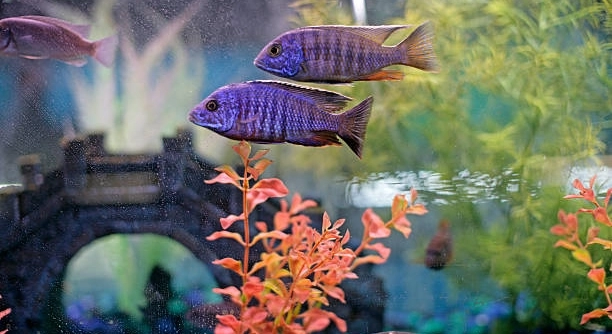
Cichlids can sometimes lose strength due to illness or stress, which makes caring for them challenging. Knowing how to support a weak cichlid is important for any fish keeper wanting to see their pet thrive. This article offers practical advice to help cichlids regain their health.
Helping a weak cichlid regain strength involves improving water quality, providing nutritious food, reducing stress, and monitoring its health closely. Creating a stable environment and offering gentle care encourages recovery and supports overall wellbeing.
These simple steps can make a big difference in your cichlid’s recovery and help maintain a healthy aquarium environment for all your fish.
Improve Water Quality
Maintaining clean water is essential for a weak cichlid to recover. Poor water quality stresses the fish and slows healing. Regular water changes help keep ammonia, nitrite, and nitrate levels low. Test the water frequently to ensure it stays within safe limits. Using a good filtration system also supports water cleanliness. Avoid sudden changes in temperature or pH, as these can cause more harm than good. When changing water, replace only 20-30% at a time to avoid shocking your fish. Keeping the tank environment stable allows your cichlid to focus energy on regaining strength rather than dealing with stressors. A clean tank promotes a healthier immune system and faster recovery.
Regular water checks and partial changes keep your tank environment safe and supportive for your recovering cichlid.
Water quality directly affects a fish’s health. Ammonia and nitrite are toxic even in small amounts, while nitrates can build up slowly but cause stress. A reliable test kit can monitor these chemicals easily. Maintaining proper temperature and pH levels according to your cichlid’s species needs is also vital. Stable, clean water reduces disease risk and promotes healing. Always remove uneaten food and waste to prevent contamination. Proper filtration combined with water changes keeps the habitat balanced. If your cichlid shows signs of distress after water changes, adjust the process to smaller or more frequent changes. Prioritize water quality as the foundation for all other care steps.
Provide Nutritious Food
A weak cichlid needs food that supports recovery. Offer high-quality pellets or flakes designed for cichlids to supply balanced nutrition. Supplement with live or frozen foods like brine shrimp or bloodworms for protein. Avoid overfeeding, as uneaten food pollutes the water. Feed smaller amounts multiple times a day rather than one large feeding to improve digestion and energy absorption.
Proper nutrition helps your fish rebuild strength and boosts its immune system.
Balanced feeding includes offering foods rich in vitamins and minerals. Foods with vitamins C and E can help improve immune response. Avoid foods that are too fatty or low in nutrients, which may hinder recovery. Sometimes, soaking dry food in vitamins or garlic extract can encourage appetite. Monitor your cichlid’s eating habits closely; a weak fish might eat less, so feeding smaller portions more often can prevent waste and improve nourishment. Overfeeding leads to poor water quality, so find the right balance. Consistency in diet supports ongoing health and faster strength regain.
Reduce Stress
Stress weakens a cichlid’s immune system and slows recovery. Keep the tank environment calm and avoid sudden changes. Limit handling and loud noises near the aquarium.
Stress can come from overcrowding, aggressive tank mates, or poor water conditions. Provide hiding spots like plants or caves where your cichlid can feel safe. Avoid introducing new fish until your cichlid regains strength. Keep lighting gentle and maintain a consistent day-night cycle to reduce stress. Watching for signs of stress, such as rapid breathing or hiding, helps you adjust care promptly. A calm environment supports healing and helps your cichlid regain confidence and energy.
Reducing stress also means monitoring tank mates carefully. If other fish are bullying or chasing your weak cichlid, separate them temporarily. Stressful interactions can cause injury or worsen illness. A peaceful tank helps your fish focus on recovery rather than defending itself. This balanced approach supports long-term health.
Monitor Health Closely
Observe your cichlid daily for changes in behavior or appearance. Early detection of issues can prevent serious problems. Look for signs like discoloration, swelling, or abnormal swimming.
Regular health checks help catch illness before it worsens. Record any unusual symptoms and water parameters to track progress. If symptoms persist or worsen, consult a vet or fish expert. Keeping detailed notes allows you to identify patterns or triggers. This proactive care helps your cichlid regain strength more quickly and reduces the risk of complications. Regular observation is key to successful recovery and maintaining a healthy aquarium.
Maintain Stable Temperature
Keep the aquarium temperature steady, as fluctuations can stress your cichlid. Use a reliable heater and thermometer to monitor the water.
Sudden changes in temperature weaken your fish’s immune system and slow recovery. Avoid placing the tank near windows or vents where temperature varies.
Use Medications When Necessary
Sometimes, medications are needed to treat infections or parasites. Follow the instructions carefully and use only recommended products for cichlids. Avoid overusing medicines to prevent resistance or side effects.
Avoid Overcrowding
Overcrowded tanks increase stress and reduce oxygen levels. Provide enough space to promote healing and healthy behavior.
Provide Clean Oxygenated Water
Oxygen-rich water supports metabolism and healing. Use air stones or filters to maintain good oxygen levels.
FAQ
How long does it take for a weak cichlid to regain strength?
The recovery time varies depending on the cause of weakness and the care provided. With proper water quality, nutrition, and reduced stress, most cichlids start showing improvement within a week or two. Severe illnesses or injuries may take longer, sometimes several weeks. Patience and consistent care are key to full recovery.
Can I treat my cichlid at home without a vet?
Many minor issues can be managed at home by improving water conditions, feeding nutritious food, and reducing stress. Over-the-counter medications can help with common infections or parasites. However, if symptoms worsen or persist, consulting a fish veterinarian or experienced aquarist is recommended to avoid further harm.
What signs show my cichlid is getting stronger?
Look for increased activity and more regular swimming patterns. A healthy appetite is a good sign, as is clearer coloration and fewer visible symptoms like spots or swelling. Reduced hiding behavior and normal breathing rate also indicate improving health. Consistent positive changes confirm your care is effective.
Should I isolate a weak cichlid from other fish?
Isolation can help reduce stress and prevent the spread of disease. If your cichlid is showing signs of illness, moving it to a quarantine tank is often beneficial. This allows for controlled treatment and avoids aggression from tank mates. However, ensure the quarantine tank mimics the main tank’s conditions to prevent additional stress.
How often should I change the water during recovery?
Perform partial water changes of 20-30% every few days during recovery to maintain clean water and reduce toxins. Avoid large water changes that can shock your cichlid. Regular testing before and after changes helps ensure parameters remain stable. Clean water is crucial for healing and preventing new problems.
What foods are best for a weak cichlid?
High-quality pellets or flakes made specifically for cichlids provide balanced nutrition. Supplement with protein-rich live or frozen foods like brine shrimp, daphnia, or bloodworms to boost immune function. Avoid feeding too much at once to prevent water pollution. Soaking food in vitamins can encourage appetite and provide extra nutrients.
Can stress alone cause a cichlid to become weak?
Yes, stress from poor water quality, aggressive tank mates, overcrowding, or sudden changes can weaken a cichlid’s immune system. Chronic stress makes fish more vulnerable to infections and slows recovery. Minimizing stress is essential for any healing process and overall health.
What is the best way to monitor a weak cichlid’s health?
Observe your fish daily for changes in behavior, appetite, and appearance. Keep a journal or notes on water parameters and any treatments used. Early detection of issues allows for quick adjustments in care. Frequent, careful observation helps ensure your cichlid is on the path to recovery.
Are there any risks to using medications?
Improper use of medications can harm your fish or disrupt the tank’s biological balance. Overdosing or using the wrong type of medication can cause stress or toxicity. Always follow manufacturer instructions, use medications designed for your fish species, and remove activated carbon from filters during treatment to maintain effectiveness.
Can a weak cichlid fully recover and live a normal life?
With proper care, many cichlids can fully regain strength and return to normal behavior. Early intervention and consistent attention improve the chances of a full recovery. Some severe cases may result in lasting effects, but most fish recover well if their environment supports healing.
Helping a weak cichlid regain strength requires patience and consistent care. The key is to create a stable and healthy environment that supports recovery. This includes keeping the water clean and well-oxygenated, feeding nutritious food, and reducing stress factors in the tank. Paying close attention to your fish’s behavior and health allows you to catch problems early and make necessary changes. With these steps, your cichlid has a better chance to regain energy and thrive again.
Water quality is one of the most important factors in your cichlid’s recovery. Regular water testing and partial changes keep harmful chemicals like ammonia and nitrites at safe levels. Proper filtration and temperature control also help maintain a balanced environment. Avoid sudden changes that can cause stress, as this slows healing. Keeping your tank clean and stable allows your cichlid’s immune system to fight off illness and regain strength faster.
Feeding your cichlid the right food and monitoring its health are also crucial. Offer a balanced diet rich in vitamins and protein, but avoid overfeeding, which can pollute the water. Watch for signs of improvement like increased activity, better color, and normal swimming. If your fish shows no progress or symptoms worsen, consider consulting an expert for advice or treatment. Taking these steps carefully gives your cichlid the best chance for a full recovery and a healthy life.

Hello,
If you enjoy the content that we create, please consider saying a "Thank You!" by leaving a tip.
Every little bit helps us continue crafting quality advice that supports the health, happiness, and well-being of pets around the world, for pets of all shapes, sizes, and species.
We really appreciate the kindness and support that you show us!