
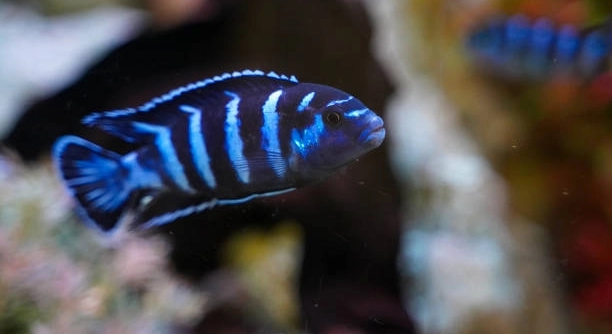
Are your cichlids constantly fighting or refusing to pair up, even though you followed all the basic guidelines?
The most common mistakes when buying cichlid pairs include mismatching species, ignoring size differences, and overlooking tank requirements. These errors often lead to stress, aggression, or failed pair bonding among the fish.
Learning what to avoid early on can help prevent long-term issues and give your cichlids the best chance at a peaceful life together.
Choosing the Wrong Species Pair
Not all cichlids are compatible, even if they look similar. Some species are aggressive and territorial, while others prefer a more peaceful environment. When incompatible types are paired, it can lead to constant fighting or even injury. African and South American cichlids, for example, often have different water needs and temperaments. Mixing them can stress the fish and make it difficult for them to thrive or breed. It’s important to research each species’ behavior, environment, and breeding style before trying to pair them. Selecting two fish that naturally get along and share similar needs gives them a better chance to bond. A calm, balanced environment starts with a thoughtful selection. Many common pairing mistakes happen because of assumptions based on appearance or size rather than behavior and habitat. Proper planning helps prevent future issues in the tank and supports healthier fish. Take the time to understand each species before making a decision.
Choosing incompatible species is one of the most common pairing mistakes and often leads to long-term stress in the aquarium.
When cichlids are forced into pairs with species they don’t naturally get along with, their stress levels increase. This can result in damaged fins, constant hiding, or refusal to eat. Over time, chronic stress weakens their immune system, leaving them more vulnerable to illness. Compatibility goes beyond aggression—some cichlids are simply not interested in forming bonds with certain types. Breeding behavior, water chemistry, and environmental needs all play a role. Even if the fish appear calm at first, hidden tension may build as they mature. Observing natural behaviors in the store and reading care guides can help. Look for signs of balanced interaction rather than assuming a quiet tank means success. If you’re not sure which species work well together, seek advice from breeders or reliable care sources. Good pairings start with careful planning and a basic understanding of each fish’s unique nature.
Ignoring Size and Age Differences
Pairing fish of different sizes often leads to bullying or feeding problems. Young cichlids may struggle to keep up with older ones.
Size and age differences can create an uneven dynamic between two fish. A larger cichlid may dominate the space, hoard food, or act aggressively toward a smaller tankmate. Even small differences can matter, especially when one fish matures faster. In some cases, the younger fish may be constantly chased or stressed, unable to establish its place in the tank. This can lead to injury, slower growth, or loss of appetite. It’s also harder to form a proper pair bond if one fish is not fully mature or sexually developed. Successful cichlid pairs usually involve individuals of similar age and size to help ensure compatibility and reduce conflict. Before buying, check the fish’s growth stage and try to match them as closely as possible. Balanced pairs are more likely to interact calmly, eat evenly, and develop healthy routines in their shared space.
Placing Them in an Unstable Environment
A new or unstable tank can cause stress, making it harder for cichlids to pair. Sudden changes in water parameters or frequent rearranging disrupts their ability to feel safe and settle into roles.
Cichlids are sensitive to their surroundings. If the tank is newly set up or going through changes, they may become defensive or withdrawn. Water stability—temperature, pH, and hardness—needs to be consistent. Spikes in ammonia or nitrate levels can quickly affect behavior. Pairing attempts often fail in unstable tanks because the fish are too focused on survival to interact properly. Stress from poor conditions leads to hiding, aggression, or illness. It’s also common for dominant cichlids to become even more territorial when they feel insecure in their space. Stable environments give both fish the chance to relax, claim areas, and begin to form a natural connection.
Avoid introducing pairs during tank cycling or after recent changes. Let the environment settle for at least a few weeks. Monitor water parameters regularly and avoid overcrowding. Too many tankmates can raise stress levels and make it hard for a pair to bond. If you’ve added new decorations or changed the layout, wait until the fish adjust. Cichlids need time to explore and understand their territory. Once the tank feels secure, they’re more likely to interact naturally. Stability builds trust between the fish and encourages pairing. A calm setting with predictable lighting, feeding, and water changes helps reinforce comfort and reduce the chance of rejection or conflict.
Buying from Poor Sources
Fish from poorly managed stores or unreliable breeders often arrive stressed, sick, or improperly sexed. This lowers their chances of pairing successfully and can affect the health of your entire tank.
Cichlids need to come from trusted sources to increase the odds of healthy bonding. Poor suppliers often keep fish in crowded tanks with inconsistent care. This leads to weakened immune systems, hidden illness, and general stress. In many cases, buyers aren’t told the correct sex or age of the fish, making it difficult to form a pair. Some stores also house aggressive species together, causing long-term behavioral issues. Choosing fish from a breeder who specializes in cichlids—or a store known for knowledgeable staff—makes a big difference. Look for alert, active fish with clear eyes, smooth fins, and no signs of injury. Taking a little extra time to find a good source can save you from frustration and potential health issues later on.
Rushing the Pairing Process
Forcing two cichlids to pair quickly often leads to stress or aggression. Pair bonding takes time, and rushing it can make the fish defensive or anxious, reducing the chance of success.
Let the fish observe each other through a divider or in a divided tank first. This helps reduce tension.
Ignoring Individual Temperament
Even with matching species, not all cichlids will pair successfully. Each fish has its own personality, and some are simply more dominant or solitary. If one fish constantly chases or hides from the other, it may not be a good match. Watch their behavior closely during early interactions. Look for signs of shared space, light chasing, or neutral body language. If there’s constant aggression or fear, separate them before injuries occur. It’s okay to try a different match. Pairing success depends not just on species, but also on how the individual fish respond to one another over time.
Skipping Quarantine
Skipping quarantine can spread illness to healthy fish and stress the entire tank. Always isolate new cichlids for at least two weeks before adding them to a shared space.
How can I tell if my cichlids are compatible?
Observing their behavior is the best way to tell compatibility. Compatible cichlids will often share space calmly, swim near each other without signs of stress, and show mild courtship behaviors. Watch for chasing that stops quickly or gentle displays rather than constant aggression. If one fish is always hiding or fin-nipping occurs frequently, they are likely not compatible. Compatibility also depends on species, size, and environment, so knowing these details helps. Keep a close eye on them during the first few weeks to catch any problems early.
What is the ideal tank size for a cichlid pair?
The tank size should be large enough to provide territory and hiding spots for each fish. Generally, at least 30 to 40 gallons is recommended for a pair, but bigger tanks are better. More space reduces aggression by allowing each fish to claim its own area. Include rocks, plants, or decorations to create natural barriers. Avoid overcrowding because it increases stress and territorial disputes.
How long does it usually take for cichlids to form a pair?
Pair bonding can take several weeks to months, depending on the species and environment. Some cichlids form pairs quickly if conditions are ideal, while others need more time to feel secure and establish dominance or courtship roles. Don’t rush the process; patience is key. Provide stable water conditions and a calm tank to encourage bonding.
Can cichlids of different species successfully pair?
While most successful pairs are from the same species, some cichlids from closely related species or similar temperaments can pair. However, this is risky and less predictable. Differences in behavior, water needs, or breeding habits can cause stress and aggression. It’s best to research thoroughly or consult experts before attempting mixed-species pairs.
What should I do if my pair is constantly fighting?
If fighting is severe, separate them immediately to prevent injury. Check the tank size and environment for enough hiding places and space. Sometimes rearranging decorations helps break territorial boundaries. If problems continue, consider re-pairing with different fish. Monitor water quality closely because poor conditions can worsen aggression.
Is it necessary to sex cichlids before pairing?
Yes, knowing the sex of your fish helps ensure you have a male and female pair, which is important for breeding and social balance. Some species are difficult to sex without experience, so ask for help from breeders or use reliable guides. Incorrect sexing can lead to two males or two females, often causing fights or failed pair bonding.
How often should I feed a cichlid pair?
Feed your cichlids once or twice daily with high-quality food appropriate for their species. Avoid overfeeding, which can pollute the tank and cause health problems. Provide a balanced diet including pellets, flakes, and occasional live or frozen foods. Consistent feeding schedules help reduce competition and aggression during meal times.
What are signs that a cichlid pair is bonding?
Signs include swimming together calmly, sharing territory without conflict, and showing courtship behavior like fin displays or cleaning each other. They may also guard a nest site or stay close during feeding. These positive interactions indicate a healthy pair bond forming.
Can cichlids live happily with other fish alongside the pair?
Yes, but choose tankmates carefully. Avoid small, shy, or slow-moving fish that could become targets. Larger, peaceful species or other robust cichlids may work if the tank is large and well-decorated. Monitor all fish closely to prevent bullying or stress.
How important is water quality in maintaining a cichlid pair?
Water quality is crucial. Poor water conditions cause stress, illness, and aggression, reducing the chance of a successful pairing. Maintain stable temperature, pH, and cleanliness with regular water changes and testing. Healthy water supports vibrant behavior and stronger immune systems.
Should I introduce both cichlids to the tank at the same time?
Introducing both at the same time is usually best to reduce territorial claims by one fish. If one fish is already established, it may aggressively defend its space against the newcomer. Introducing them simultaneously helps level the playing field and encourages more equal interaction.
What role do tank decorations play in pairing success?
Decorations create hiding spots and visual barriers that reduce stress and aggression. Rocks, caves, and plants help each fish claim territory without constant confrontation. These features support natural behaviors and allow fish to retreat when needed, promoting a peaceful environment for bonding.
How can I prepare my tank before adding a cichlid pair?
Ensure the tank is fully cycled with stable water parameters. Clean the tank and arrange decorations to create multiple territories. Test the water for ammonia, nitrites, and nitrates, and adjust if necessary. Avoid overcrowding and keep other fish away during introduction.
Is breeding necessary for cichlid pairs to bond?
No, cichlids can form strong bonds without breeding. Some pairs bond for territory or companionship rather than reproduction. Breeding often strengthens pairs but is not required for a peaceful relationship.
What is the best way to introduce a new pair into an established community tank?
Introduce them slowly using a divider or separate tank to allow visual contact without physical interaction. Monitor behavior closely for signs of stress or aggression. Gradually remove the divider once both fish appear calm and confident. Always have a backup plan to separate them if problems arise.
Choosing and caring for cichlid pairs requires careful attention to many details. From selecting compatible species to providing a stable environment, each step plays a key role in helping your fish live peacefully together. Avoiding common mistakes such as mismatching species, rushing the pairing process, or neglecting tank conditions can prevent many problems. Taking the time to understand your cichlids’ needs and behaviors helps create a balanced and healthy aquarium where both fish can thrive.
A successful cichlid pair depends not only on their species but also on individual temperament, size, and how well the environment supports them. Even with the right fish, pairing may take weeks or months. Patience is important. During this time, consistent care and monitoring help reduce stress and encourage natural bonding. Providing plenty of space, hiding spots, and clean water sets the foundation for a peaceful tank. When you pay attention to these factors, your cichlids are more likely to form a strong, lasting bond.
Remember that not every pairing will work out perfectly. Sometimes two fish simply do not get along, despite careful planning. If that happens, it’s best to separate them early to avoid injury or stress. Trying different pairs or adjusting the tank setup can help. With experience, you’ll better understand your cichlids’ behavior and how to support their needs. Ultimately, patience, research, and proper care make all the difference in creating a healthy home for your cichlid pairs.

Hello,
If you enjoy the content that we create, please consider saying a "Thank You!" by leaving a tip.
Every little bit helps us continue crafting quality advice that supports the health, happiness, and well-being of pets around the world, for pets of all shapes, sizes, and species.
We really appreciate the kindness and support that you show us!