
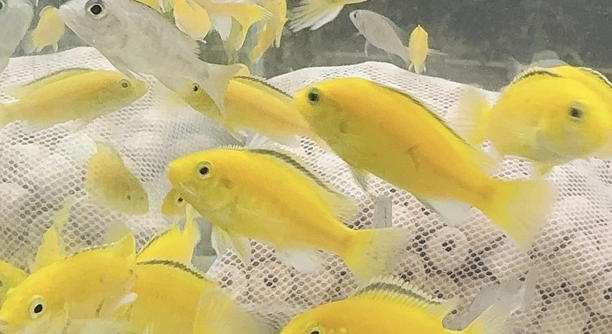
Many cichlid owners notice their fish become more aggressive during the night. This behavior can be surprising, especially when the tank seems peaceful during the day. Understanding why this happens helps create a better environment for these colorful fish.
Cichlids tend to fight more at night due to reduced light and increased territorial instincts. Darkness limits visual cues, making fish rely on other senses, which heightens stress and aggression as they defend their space more actively.
Knowing what triggers nighttime aggression can improve how you manage your aquarium. This article will explain key reasons behind this behavior and suggest ways to reduce conflict for a calmer tank.
Why Cichlids Get More Aggressive at Night
At night, cichlids’ behavior changes because of their natural instincts and environment. When the lights go off, fish lose many of their visual signals that help keep peace during the day. Darkness makes them rely on senses like smell and touch, which can increase tension. In their minds, this lack of sight creates uncertainty, making them more defensive and territorial. They may also feel more vulnerable, so they try to protect their space more strongly. Sometimes, tank setup can add to the problem—if hiding spots are limited, fish have nowhere to escape, which leads to more fights. Also, cichlids are naturally territorial, and night can make boundaries less clear, triggering more aggressive behavior. Recognizing these factors helps in managing the nighttime stress of your fish. Adjusting lighting or adding more plants and caves can calm the tank significantly.
Increased night aggression is mainly caused by reduced visibility and heightened territorial instincts.
Making simple changes to the tank’s layout and lighting can make a big difference in reducing fights at night.
How Tank Environment Affects Nighttime Fighting
A tank with few hiding places can make cichlids feel trapped. Without enough cover, they become more stressed and aggressive after dark. The way your aquarium is set up matters a lot for their comfort. Cichlids need places to retreat and feel safe when they don’t see well. Rocks, plants, and decorations create natural barriers, helping fish avoid direct confrontations. Poor water quality or overcrowding can also worsen stress, making nighttime fights worse. When fish are healthy and have room, they are less likely to lash out. Adjusting your tank to include more shelters and ensuring clean water helps your cichlids stay calm. The right environment supports their natural behaviors and reduces tension caused by night conditions.
Proper tank setup is key to preventing excessive aggression in cichlids at night.
Adding more hiding spots and maintaining water quality helps your fish feel secure, cutting down on fighting and stress during dark hours.
Lighting and Its Effect on Cichlid Behavior
Lighting plays a big role in how cichlids behave, especially at night. Sudden darkness can increase stress and aggression.
When the tank lights go off abruptly, cichlids can become startled or confused. This quick change makes them more defensive as they try to understand their surroundings. Some cichlids prefer dim lighting or a gradual fade to darkness, which helps reduce tension. Using a timer or dimmable lights can create a smoother transition, making nighttime less stressful. Proper lighting mimics their natural environment and helps keep aggression down.
Bright lights during the day followed by sudden darkness at night disrupt normal behavior. Gradual dimming supports calmer, more balanced fish interactions after lights out.
Feeding Schedules and Nighttime Aggression
Feeding times can affect how much cichlids fight at night. Feeding too close to lights-out may increase restlessness and aggression.
If cichlids are fed right before the lights turn off, they can become more active and competitive for leftover food or territory. This heightened energy level carries into the night, causing more conflicts. Feeding earlier in the day allows fish to settle before darkness. Also, feeding smaller portions more often can reduce competition. A consistent feeding routine helps maintain calm and predictable behavior. Overfeeding, however, can cause health problems and stress, indirectly increasing aggression. Adjusting feeding schedules and amounts can be a simple way to reduce nighttime fights.
Keeping a steady feeding schedule with adequate time before lights out helps your cichlids relax and lowers nighttime aggression.
Tank Size and Its Role in Aggression
A small tank can increase stress and fights among cichlids. Limited space means less room to escape or claim territory.
When cichlids are cramped, they often become more aggressive. A larger tank allows fish to spread out and reduces constant contact. This helps lower stress and gives each fish enough territory to feel secure.
Managing Stress to Reduce Night Fighting
Stress from poor water quality, sudden changes, or overcrowding makes cichlids more aggressive at night. Keeping stable conditions helps reduce this behavior.
Regular water changes and monitoring parameters like pH and temperature are essential. Stress weakens fish and causes them to act out defensively. Ensuring a peaceful environment supports calmer interactions.
Introducing New Fish Carefully
Adding new cichlids suddenly can increase nighttime fighting. Introducing fish slowly gives everyone time to adjust and settle.
Using Night Lighting
A low, dim light during nighttime can help cichlids feel less threatened and reduce fights.
Why do my cichlids only fight at night and not during the day?
Cichlids rely heavily on sight to recognize each other and establish boundaries. During the day, good lighting helps them see signals that prevent constant fighting. At night, darkness reduces their ability to see, causing confusion and increased territorial behavior. They become more defensive and aggressive because they cannot clearly identify who belongs where, which leads to more fights.
Can adjusting the tank lighting help reduce nighttime aggression?
Yes, it can. Sudden darkness can stress cichlids, triggering aggressive behavior. Using dimmable lights or a timer to create a gradual fade to darkness helps fish adjust smoothly. Some aquarists use moonlight LEDs or very low night lighting to mimic natural conditions, which calms the fish. Avoiding abrupt changes in light helps reduce their stress and nighttime fighting.
Does tank size really affect how much my cichlids fight?
Absolutely. Smaller tanks mean less space for each fish to claim territory or escape conflicts. Overcrowding increases stress and causes fish to be more aggressive. Providing a larger tank with enough room to spread out helps reduce tension. More space means fewer forced interactions, which lowers the chances of fights, especially when visibility is poor at night.
Are certain species of cichlids more aggressive at night?
Yes, some species naturally show higher aggression levels. African cichlids like Mbuna are known for their territorial behavior and can fight more, especially in tight spaces or poorly lit tanks. Knowing your species’ temperament and needs helps in setting up a peaceful tank. Selecting compatible species and providing enough hiding spots can reduce aggression.
Can feeding habits influence nighttime fighting?
Feeding schedules do matter. Feeding fish right before lights out may leave them restless and more prone to fighting as they guard food leftovers or space. Feeding earlier in the day allows cichlids to settle down by night. Offering smaller, frequent meals instead of one large feeding reduces competition and stress around feeding time.
How does water quality affect aggression in cichlids?
Poor water quality stresses cichlids, making them more aggressive and less healthy. High ammonia, nitrite, or incorrect pH levels can weaken fish and increase fighting. Regular water changes, proper filtration, and monitoring water parameters create a stable environment. Healthy fish are calmer, and stress-free conditions reduce nighttime aggression.
Is it helpful to add more hiding spots for my cichlids?
Yes, very helpful. Hiding places such as rocks, caves, and plants let cichlids retreat when they feel threatened. This reduces direct confrontations and provides personal space, especially at night when vision is limited. A tank with plenty of cover reduces stress and fights because fish feel safer.
How should I introduce new cichlids to minimize fighting?
Introducing new fish gradually helps reduce aggression. Quarantine new arrivals first, then add them slowly to the main tank. Rearranging decorations before introducing new fish breaks existing territories, making everyone start fresh. Careful introductions prevent sudden spikes in nighttime fighting caused by territorial disputes.
Will dim night lighting prevent cichlids from fighting completely?
Dim night lighting can reduce, but not always eliminate, nighttime aggression. It helps fish see their surroundings better and lowers stress. However, other factors like tank size, species, and water quality also play roles. Combining good lighting with proper tank management gives the best results.
Is aggressive behavior at night harmful to my cichlids?
Some aggression is normal, but excessive fighting can cause injuries and stress. Continuous nighttime aggression weakens fish and may lead to health problems. Observing your cichlids and adjusting tank conditions helps keep aggression under control and protects their well-being.
Cichlids are known for their lively and sometimes aggressive nature, especially when the lights go out. Nighttime fighting can be frustrating to watch and worrying for anyone who cares about their fish’s well-being. Understanding the reasons behind this behavior is important to create a better home for your cichlids. Darkness affects how fish see and sense their environment, making them feel less secure and more likely to defend their territory. By learning how lighting, tank size, and environment influence their actions, you can take steps to reduce stress and aggression in your aquarium.
Making changes like adding more hiding spots, adjusting feeding schedules, and improving water quality often helps calm your cichlids at night. A well-planned tank setup gives fish enough space and places to retreat, which is especially important when visibility is low. Gradual changes in lighting, such as dimming the tank lights before night, can make a big difference. Regular maintenance to keep the water clean and stable supports healthy fish that are less prone to fights. Small adjustments like these may seem simple but can lead to a much more peaceful tank.
It’s also helpful to pay attention to how new fish are introduced and to choose species that are compatible. Sometimes, cichlids will always have some level of nighttime aggression because of their natural instincts, but managing the tank environment can reduce how much fighting happens. Keeping a close eye on your fish’s behavior and making thoughtful changes helps ensure they live comfortably and healthily. With some patience and care, it’s possible to enjoy a calmer, happier aquarium where your cichlids can thrive day and night.

Hello,
If you enjoy the content that we create, please consider saying a "Thank You!" by leaving a tip.
Every little bit helps us continue crafting quality advice that supports the health, happiness, and well-being of pets around the world, for pets of all shapes, sizes, and species.
We really appreciate the kindness and support that you show us!