
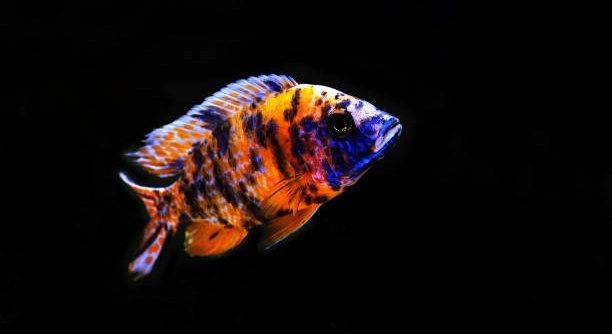
African cichlids are colorful fish with complex behaviors. Observing their body language helps understand their moods and intentions in an aquarium setting. Learning to read these signals improves care and interaction with these vibrant creatures.
African cichlid body language includes specific postures, fin displays, and movements that indicate aggression, submission, or readiness to breed. These visual cues provide insights into their social hierarchy and emotional state, essential for maintaining a balanced aquarium environment.
Knowing how to interpret these signs enhances your ability to support your cichlids’ well-being. This article explains common behaviors and what they mean for a healthier, more harmonious tank.
Common African Cichlid Body Signals
African cichlids use their bodies to communicate clearly. One of the most common signals is fin spreading, where they flare their dorsal and anal fins to appear larger. This usually means they feel threatened or want to show dominance. Another typical behavior is color change. A bright, vibrant color often signals confidence or readiness to breed, while dull or darkened colors can indicate stress or submission. You may also notice specific swimming patterns. Fast, direct swimming toward another fish can be aggressive, while slow, gentle movements often show calmness. Additionally, cichlids sometimes dig in the substrate or rearrange decorations to mark territory or prepare for spawning. Watching these behaviors regularly helps you understand each fish’s mood and social standing within the tank, which can prevent conflicts and promote a peaceful environment.
Body language varies depending on species, but many signals are similar across African cichlids.
Recognizing these behaviors early is crucial. It allows timely adjustments in tank conditions or fish groupings to maintain balance and reduce stress.
Aggression and Territory in African Cichlids
Aggression is a natural part of cichlid behavior. They often defend their territory aggressively, especially males. This territorial behavior helps establish social order but can become problematic if the tank is too small or overcrowded. Signs of aggression include chasing, biting, and frequent fin displays. It’s important to provide enough space and hiding places to reduce tension. Dividers or rearranged tank decor can break lines of sight, lessening conflicts. Observing which fish are more dominant helps in planning tank setups or deciding which fish to separate. Understanding territorial aggression aids in keeping all fish safe and healthy. Careful monitoring during feeding times also prevents fights, as food can trigger competitive behavior. By managing aggression properly, you create a calmer aquarium that allows cichlids to thrive and display natural behaviors without harm or stress.
Signs of Stress in African Cichlids
Stress in African cichlids often shows through changes in behavior or appearance. Common signs include hiding more than usual, loss of color, and decreased appetite. These indicators suggest the fish are uncomfortable or unwell, requiring attention to their environment or health.
Stress can result from poor water quality, overcrowding, or incompatible tank mates. If cichlids frequently hide or avoid interaction, it may indicate bullying or lack of suitable shelter. Dull colors are another red flag; healthy cichlids usually display vibrant hues. Monitoring feeding habits is important, as stressed fish might eat less or stop altogether. Regular water testing and proper tank maintenance help reduce stress factors.
To improve conditions, ensure the tank has enough space and hiding spots. Keeping a consistent water temperature and performing regular water changes also supports their well-being. Addressing these factors promptly prevents illness and keeps your cichlids active and healthy.
Breeding Behavior and Body Language
During breeding, male cichlids become more colorful and display intense fin flaring to attract females and deter rivals. They may dig pits or clean surfaces as part of courtship and territory preparation. These behaviors signal readiness to spawn.
Females show different signs, such as swelling in the abdomen and more reserved swimming patterns. Both parents may guard the eggs or fry aggressively, protecting their offspring from threats. Recognizing these behaviors helps in managing breeding tanks and ensuring the safety of young fish.
It is important to provide a calm environment with minimal disturbances during breeding. Adequate hiding places for the female and fry reduce stress and increase survival rates. Observing these signs closely helps in identifying breeding readiness and supporting natural reproductive behaviors.
Submissive Behavior in African Cichlids
Submissive cichlids often lower their fins and swim away from dominant fish. They may also change to duller colors to avoid conflict. These behaviors help maintain peace within the tank.
Recognizing submission can prevent unnecessary aggression. Submissive fish need space and hiding spots to feel safe and reduce stress.
How to Encourage Positive Social Interaction
Creating a balanced environment reduces aggression and promotes harmony. Providing enough space and shelters allows fish to establish territories without constant conflict. Feeding in multiple spots helps prevent competition.
Regularly rearranging tank decorations can disrupt established dominance, giving submissive fish a chance to explore safely. Introducing new fish gradually reduces stress and allows social dynamics to settle naturally. Monitoring interactions closely helps identify and address issues early, maintaining a healthy community.
Tail Twitching and Its Meaning
Tail twitching in African cichlids usually signals agitation or alertness. It often precedes aggressive or defensive actions.
FAQ
What does it mean when my cichlid flares its fins?
Fin flaring is a clear sign that your cichlid is trying to appear bigger and more intimidating. This usually happens when it feels threatened or wants to establish dominance over other fish. It is a common behavior during disputes or when protecting territory.
Why is my cichlid changing colors?
Color changes often reflect a cichlid’s mood or health. Bright, vibrant colors usually indicate confidence, good health, or readiness to breed. On the other hand, dull or faded colors can signal stress, illness, or submission. Keep an eye on tank conditions if you notice persistent dullness.
How can I tell if my cichlid is stressed?
Stress can show through hiding, loss of appetite, or unusual lethargy. Fish may also lose their bright coloration and become more reclusive. Stress often results from poor water quality, overcrowding, or aggressive tank mates. Checking water parameters and tank setup regularly helps reduce stress.
Why does my cichlid dig in the substrate?
Digging is a natural behavior linked to territory marking and breeding. Males often dig pits to prepare spawning sites or establish dominance. This activity also helps them feel more secure in their environment.
What should I do if my cichlid is aggressive?
Aggression is common but manageable. Make sure the tank is large enough, with plenty of hiding places. Rearranging tank decorations can help break up established territories and reduce conflicts. Sometimes, separating the most aggressive individuals is necessary to keep peace.
How do cichlids show submission?
Submissive cichlids often lower their fins, swim away from dominant fish, and show duller colors. This behavior prevents fights and helps maintain a peaceful community.
Can tail twitching indicate illness?
Tail twitching usually signals alertness or agitation, not illness. However, if combined with other symptoms like lethargy or loss of appetite, it may warrant further observation or water testing.
How do I know when my cichlids are ready to breed?
Males display bright colors, flare fins, and clean or dig areas in the tank. Females show a swollen abdomen and may become less active. Both parents guard eggs and fry aggressively during this time.
What is the best way to reduce aggression during feeding?
Feeding in several locations spreads out fish and reduces competition. Using sinking pellets can help shy or submissive fish access food without stress.
Why does my cichlid hide a lot?
Hiding is often a sign of stress, fear, or illness. It may also indicate bullying by other fish or lack of hiding places. Providing shelters and checking water quality can encourage more confident behavior.
Final Thoughts
Understanding African cichlid body language is an important part of keeping these fish healthy and happy. Their behaviors and signals tell a lot about how they feel and interact with their environment. Paying attention to fin displays, color changes, and movements can give clues about aggression, stress, or readiness to breed. This knowledge helps manage the tank better, reducing conflicts and promoting a peaceful community among the fish.
Keeping an eye on subtle signs like hiding, dull colors, or changes in appetite can alert you to potential problems early. These signals often show when a fish is stressed or uncomfortable. Stress can come from many factors, such as poor water quality, overcrowding, or aggressive tank mates. By addressing these issues promptly, you can improve the well-being of your cichlids. Simple steps like providing hiding places, regular water changes, and careful tank arrangement can make a big difference in reducing stress.
Supporting your cichlids’ natural behaviors also includes understanding their breeding signals and territorial needs. Males become more colorful and aggressive when protecting their space or attracting females, while submissive fish show calmer, more reserved behaviors. Allowing enough room and creating a balanced environment helps all fish coexist with less conflict. Paying attention to these details not only improves the health of your aquarium but also makes caring for African cichlids more rewarding and enjoyable.

Hello,
If you enjoy the content that we create, please consider saying a "Thank You!" by leaving a tip.
Every little bit helps us continue crafting quality advice that supports the health, happiness, and well-being of pets around the world, for pets of all shapes, sizes, and species.
We really appreciate the kindness and support that you show us!