
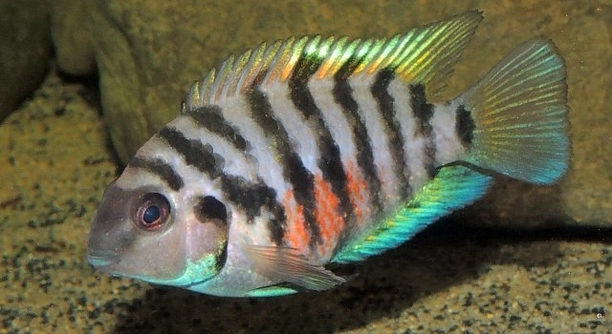
African cichlids are popular aquarium fish known for their vibrant colors and active behavior. Many fishkeepers enjoy their dynamic nature but sometimes face challenges in keeping them together peacefully. Knowing when to separate them is important for a healthy tank environment.
Separating African cichlids is necessary when aggression or territorial disputes threaten their well-being. Overcrowding, size differences, and limited hiding spaces increase stress, leading to injury or death. Timely separation helps maintain balance and prevents harm to the fish.
Recognizing these signs early helps protect your fish and maintain a peaceful aquarium atmosphere for all. This article explains key indicators and steps for successful separation.
Signs of Aggression in African Cichlids
Aggression in African cichlids can be subtle or very obvious. You might notice chasing, biting, or fin nipping among the fish. Some cichlids may guard specific areas fiercely, especially around caves or plants. If you see damaged fins or scales, it often means fighting has been going on. When aggression increases, fish may hide more or lose their appetite. This stress affects their health and growth. It’s important to observe your fish regularly, especially when you first introduce new ones. Different species have varying tolerance levels, so knowing their behavior helps you spot trouble early. Managing aggression before it becomes severe can save your fish from injuries and reduce stress in the tank. Keeping an eye on their interactions and spaces can guide you on when to act.
Aggression often leads to physical damage and stress in cichlids. Early recognition is key to avoiding serious problems.
Knowing how and when aggression appears allows you to create a better environment. Separating the most aggressive fish or rearranging the tank can reduce conflict. Providing plenty of hiding spots helps fish escape attacks and feel secure. Sometimes lowering the number of fish reduces competition. Adjusting the tank setup or separating fish temporarily can restore peace. Monitoring behavior and tank conditions regularly supports a healthier community. Taking these steps early improves your fish’s well-being and makes the aquarium more enjoyable to watch.
When to Separate African Cichlids
Separating cichlids is necessary when aggression causes injury or stress that affects their health and growth.
If fighting is constant and fish show signs of damage or stress, it’s time to act. Overcrowded tanks make it harder for fish to establish territories, increasing fights. Larger or more aggressive species may bully smaller or less dominant ones. When hiding spots are scarce, stressed fish have nowhere to escape. Separating the most aggressive fish or creating divided areas can stop violence. Separation may be temporary or permanent depending on the situation. Removing or isolating problem fish allows others to thrive without fear. Observing your aquarium daily helps decide the right moment to intervene.
Using tank dividers is a practical way to separate fish without needing a new aquarium. Separate tanks allow recovery and reduce stress. Balancing fish numbers and providing plenty of decorations also supports harmony. Making these adjustments keeps your cichlids healthier and happier over time.
How to Separate African Cichlids Safely
Separating African cichlids requires care to avoid additional stress or injury. Preparing a suitable space is important for their health during separation.
Choose a tank or section with enough room for swimming and hiding spots. Match water temperature and quality to the main tank to prevent shock. Use gentle methods to catch fish, like a soft net or container, minimizing stress. Avoid overcrowding in the separated space by limiting fish numbers. Monitor the separated fish closely for signs of stress or illness. Maintaining good water conditions and providing hiding places helps reduce anxiety. Regular observation ensures the fish adjust well to the new environment.
Using tank dividers inside the main aquarium can also work. Dividers keep fish apart but allow visual contact, which reduces stress from isolation. Make sure dividers have smooth edges to prevent injury. This method avoids moving fish too much and keeps water parameters consistent. Dividers can be temporary until fish settle or permanent for incompatible species. Keeping the separated fish comfortable helps their recovery and reduces further aggression.
Adjusting Tank Conditions to Reduce Aggression
Tank conditions greatly influence cichlid behavior and aggression levels. Overcrowding and lack of hiding spots are common triggers.
Providing enough space reduces competition for territories and resources. A general guideline is one inch of fish per gallon of water, though species size matters. Increasing decorations like rocks, caves, and plants offers shelter and breaks sight lines, lowering stress. Proper filtration keeps water clean and stable, which supports fish health and reduces irritability. Feeding fish well with balanced nutrition prevents hunger-driven aggression. Light cycles should mimic natural patterns to keep fish calm. Regular water changes also improve the environment. Adjusting these factors creates a calmer aquarium and reduces the need for separation.
Common Mistakes When Separating Cichlids
Separating cichlids too late often leads to serious injuries and stress. Acting promptly helps avoid these issues.
Another mistake is using unsuitable tanks or poor water conditions, which can worsen fish health. Proper preparation is essential for a smooth separation process.
Choosing the Right Tank Size for Separation
A tank used for separating African cichlids should offer enough space to reduce stress and aggression. At minimum, the tank should be half the size of the original aquarium. Smaller tanks increase territorial disputes and cause rapid water quality deterioration. Include hiding places and decorations to mimic the main tank environment. Proper filtration and stable water parameters are necessary to keep separated fish healthy. A well-chosen tank size ensures the fish have enough room to swim, rest, and recover without feeling confined or stressed, improving their chances for a calm and peaceful separation period.
Monitoring Behavior After Separation
Careful observation after separating cichlids helps detect ongoing stress or health issues early.
FAQ
How do I know if my African cichlids need to be separated?
Signs that African cichlids need separation include frequent chasing, fin nipping, and visible injuries. When fish hide more than usual or show signs of stress like loss of appetite, aggression is likely harming their well-being. Observing these behaviors early helps prevent serious problems.
Can I keep aggressive and peaceful cichlids together?
Aggressive cichlids often bully peaceful ones, especially in confined spaces. Unless the tank is large with plenty of hiding spots, it’s best to separate different temperaments. Keeping them together without enough space usually leads to stress and injury.
What is the best way to separate aggressive fish without stressing them?
Use a soft net or container to gently catch the fish. Prepare the separate tank with matching water conditions and hiding spots. Tank dividers can also keep fish apart while avoiding the need to move them completely, which reduces stress.
How long should I keep cichlids separated?
Separation duration depends on the situation. Temporary separation can last from a few days to weeks until fish calm down. In some cases, permanent separation is needed if aggression continues. Regularly monitor fish behavior to decide when to reintroduce or keep them apart.
Is it necessary to quarantine fish after separation?
Quarantine is not always required if water parameters match and the fish show no illness. However, if injuries or signs of disease appear, isolating the affected fish can help prevent spreading problems and allow targeted treatment.
What tank size is recommended for separating African cichlids?
A tank at least half the size of the main aquarium is ideal for separation. Smaller tanks can increase stress and aggression. Include hiding places and proper filtration to maintain water quality and comfort.
How can I reduce aggression without separating fish?
Increase tank size if possible and add decorations like rocks and caves to create hiding spots. Feed fish regularly with balanced food to reduce hunger-driven fights. Maintaining good water quality and stable conditions lowers stress. Sometimes rearranging the tank breaks up territories and calms fish.
Can tank dividers replace separate tanks?
Tank dividers can be effective by keeping fish apart but still allowing visual contact, which reduces stress from isolation. They are useful for temporary or permanent separation when space is limited. Make sure dividers are secure and safe for the fish.
What should I do if separated fish show signs of stress or illness?
Improve water quality with regular changes and check filtration. Provide hiding places and maintain stable temperature. If illness develops, consider treatment with appropriate medications after consulting care guides or experts.
Do certain cichlid species require separation more often?
Yes, larger or more territorial species tend to be more aggressive. Species like Mbuna are known for high aggression and often need careful monitoring or separation. Knowing species-specific behavior helps plan tank mates and reduce conflicts.
How often should I check on separated cichlids?
Daily observation is best during the first few days after separation. Look for signs of stress, aggression, or illness. Regular checks help catch problems early and allow quick action if needed.
Can cichlids be reintroduced after separation?
Reintroduction is possible if aggression has decreased and fish show calm behavior. It should be done gradually, watching closely for renewed fighting. Sometimes permanent separation is the safer option to protect all fish involved.
What role does water quality play in aggression?
Poor water quality increases stress, which can lead to more aggressive behavior. Keeping ammonia, nitrite, and nitrate levels low supports fish health and reduces conflicts. Regular testing and maintenance are essential.
Are there behavioral signs that predict future aggression?
Territorial guarding, chasing, and frequent displays of dominance can indicate future aggression. Early recognition helps prevent serious fights by adjusting tank setup or planning separation before injuries occur.
What equipment helps maintain a peaceful cichlid tank?
Good filtration, heater for stable temperature, tank decorations for hiding, and proper lighting all contribute to a stable environment. These reduce stress and aggression, making separation less likely.
This FAQ provides clear answers to common concerns about separating African cichlids. Keeping an eye on behavior and tank conditions helps maintain a healthy and peaceful aquarium.
Final Thoughts
Managing African cichlids can be challenging because of their natural territorial behavior. Knowing when to separate them is important to keep them healthy and safe. Aggression often starts with chasing and fin nipping, and if ignored, it can lead to serious injuries or stress. Observing your fish carefully is the best way to notice early signs of trouble. Acting quickly by separating aggressive individuals helps maintain balance in the aquarium and prevents harm to other fish.
Separation should be done carefully to avoid adding stress to your fish. Preparing a suitable tank or using tank dividers can create a peaceful environment for aggressive or stressed cichlids. Matching water conditions and providing hiding spots reduce anxiety during this time. It is also important to monitor their behavior and health regularly. Adjusting tank conditions like space, decorations, and feeding can reduce aggression in the long term. These simple steps make a big difference in keeping your cichlids calm and healthy.
Keeping African cichlids together requires attention and care. While it is possible to have a community of cichlids, you must watch for signs of conflict and be ready to act. Regular maintenance of water quality and tank setup helps reduce stress and aggression. Remember, each species has its own behavior patterns, so understanding them aids in preventing problems. With proper care and timely separation when needed, your cichlids can thrive in a peaceful and balanced aquarium.

Hello,
If you enjoy the content that we create, please consider saying a "Thank You!" by leaving a tip.
Every little bit helps us continue crafting quality advice that supports the health, happiness, and well-being of pets around the world, for pets of all shapes, sizes, and species.
We really appreciate the kindness and support that you show us!