
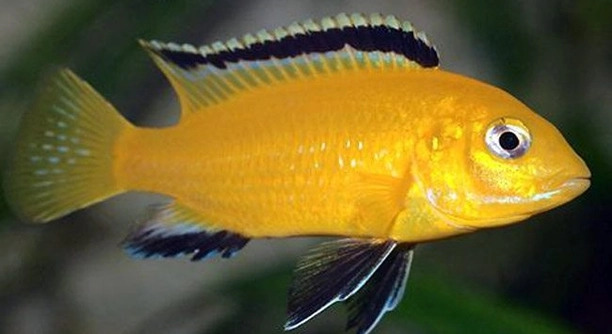
Are your cichlids spending most of their time close to the heater in your aquarium? Many fish owners notice this behavior and wonder what it means for their pets’ health and comfort. This common sight can indicate several underlying factors in the tank environment.
Cichlids huddling near the heater typically signal that the water temperature is lower than their preferred range. Fish seek warmth for proper metabolism and comfort, so staying near the heat source helps them regulate their body functions and reduce stress.
Understanding why your cichlids gather near the heater can help you create a better home for them. Adjusting tank conditions ensures they remain healthy and active throughout the year.
Understanding Cichlids’ Temperature Needs
Cichlids come from warm waters, so they thrive best in temperatures between 75 and 82 degrees Fahrenheit. If your tank water drops below this range, they will naturally move toward the heater to stay warm. Water temperature affects their metabolism, immune system, and overall behavior. When water is too cold, cichlids can become sluggish, lose appetite, and even get sick. It’s important to keep a reliable aquarium heater and monitor the temperature regularly. Sudden changes or fluctuations in temperature can also stress the fish. Some heaters have built-in thermostats that help maintain steady warmth. Besides temperature, other factors like water quality and oxygen levels impact their comfort, but warmth is usually the main reason for this huddling behavior. Ensuring the tank stays within the right range helps your cichlids stay active and healthy, preventing unwanted health issues linked to cold water.
Fish seek warmth instinctively when they feel cold or stressed.
Adjusting your aquarium’s temperature setting carefully is key to keeping cichlids comfortable. Avoid setting the heater too high, as excessive heat can also cause problems. Using a thermometer to track the exact water temperature helps maintain a stable environment. If you notice your fish still gathering near the heater despite proper temperature, check for other tank issues like poor water quality or illness. Regular water changes, proper filtration, and a balanced diet support their health alongside temperature control. Creating a stable and suitable habitat reduces stress and encourages natural behavior in your cichlids. Over time, they will spread out more evenly in the tank when conditions feel right. Keeping an eye on their habits helps catch problems early before they worsen.
Other Reasons Cichlids May Huddle Near the Heater
Sometimes, temperature isn’t the only reason fish cluster by the heater.
Fish may gather near the heater if there is poor water circulation in that area. The heater can create a warm spot with better oxygen levels if the tank’s filter or aeration is weak. Cichlids may also feel safer in a warmer, quieter corner, especially if they are stressed or sick. Illness or parasites can cause fish to isolate themselves and seek comfort. It is important to check water parameters like ammonia, nitrite, and nitrate levels regularly, as poor water quality stresses fish and affects their behavior. Make sure the tank is clean and that decorations don’t block water flow. If your cichlids continue to huddle even after fixing temperature and water quality, consider consulting a vet who specializes in fish. Early diagnosis and treatment can prevent serious health issues and help your fish return to their normal behavior quickly.
Common Heater Problems in Aquariums
Heaters can malfunction or break without obvious signs. This often leads to uneven heating or complete failure.
A faulty heater may cause cold spots in the tank, prompting cichlids to gather around the working heater. Sometimes, heaters turn off due to electrical issues or incorrect settings. It’s a good idea to test the heater regularly with an aquarium thermometer and replace it every few years. Using a heater guard can prevent damage caused by fish or decorations bumping into it. Also, avoid placing the heater near filters that might cool the water nearby. Ensuring the heater functions properly keeps the tank temperature steady and your fish comfortable.
Heater placement matters as well. Placing it near the tank’s water flow helps distribute heat evenly. If the heater is in a corner with poor circulation, warmth will be uneven, causing fish to gather in one spot. Adjusting the heater location or adding a water pump can improve temperature distribution. Regular monitoring and maintenance of your heater make a big difference in avoiding temperature-related stress in your cichlids.
Signs of Stress or Illness in Cichlids
When cichlids are stressed or ill, they often change their behavior noticeably.
Clumping near the heater can sometimes be a sign of discomfort beyond temperature. Stress can come from poor water quality, overcrowding, or incompatible tank mates. Illnesses such as bacterial infections or parasites may also cause fish to seek warmth or isolate themselves. Watch for other signs like faded color, lack of appetite, or labored breathing. Early recognition helps prevent worsening conditions. Testing water quality and maintaining a clean tank environment are essential steps. Treating illnesses promptly, with proper medication, gives your cichlids a better chance to recover fully.
Keeping the tank balanced and observing your fish daily can prevent stress and keep your cichlids healthy and active.
Checking Water Quality Regularly
Poor water quality stresses cichlids and causes unusual behaviors like huddling near the heater.
Test your water for ammonia, nitrites, and nitrates at least once a week. Keeping these levels low is vital for your fish’s health and comfort.
Adjusting Tank Environment for Comfort
Proper tank setup reduces stress and encourages natural behavior. Use a reliable heater, maintain good filtration, and provide hiding spots with plants or decorations. Regular water changes also keep the environment stable. Monitoring these factors helps your cichlids feel safe and comfortable, reducing the need to cluster near the heater.
When to Consult a Specialist
If your cichlids continue to act unusual despite good water quality and temperature, professional advice may be necessary.
A fish health specialist can diagnose underlying issues that aren’t obvious and recommend proper treatments.
FAQ
Why are my cichlids always near the heater even though the temperature seems fine?
Sometimes, the temperature reading can be misleading if the thermometer is placed in a spot where water is warmer than the rest of the tank. Fish naturally move to warmer areas when the overall tank temperature is uneven. Check your heater placement and water circulation to ensure heat spreads evenly. Poor circulation or dead spots in the tank can cause your cichlids to seek warmth near the heater even if the general temperature is within range.
Can sudden changes in temperature cause my cichlids to huddle near the heater?
Yes. Cichlids are sensitive to rapid temperature drops or spikes. If the water cools quickly, they instinctively move toward the heater to recover their body heat. Sudden changes stress fish and can weaken their immune systems, making them more prone to disease. It’s important to keep temperature changes slow and steady to avoid this behavior and keep your fish healthy.
Is it normal for cichlids to cluster together by the heater?
Occasionally, yes. Fish sometimes gather for warmth or social reasons. However, constant clustering near the heater may indicate a problem with temperature or water quality. If your cichlids are always huddled in one spot, it’s a sign to check tank conditions and address any underlying issues.
What temperature should my cichlid tank be set at?
Most cichlids prefer temperatures between 75 and 82 degrees Fahrenheit (24-28°C). Different species might have slightly different needs, but staying within this range helps keep them healthy and active. Use a reliable heater and thermometer to maintain a consistent temperature.
Could my heater be broken without me knowing?
Yes, heaters can malfunction quietly. Sometimes, a heater looks fine but does not heat properly due to internal faults. Regularly test your heater with an accurate thermometer and consider replacing it every few years to prevent sudden failures. An unreliable heater can cause temperature fluctuations that stress your fish.
How often should I check my tank’s water parameters?
It’s best to test your water at least once a week for ammonia, nitrites, nitrates, and pH levels. These factors directly affect your fish’s health and comfort. Keeping these levels stable prevents stress, illness, and unusual behavior such as huddling near the heater.
What other signs should I look for if my cichlids are stressed?
Look for faded colors, loss of appetite, erratic swimming, hiding, or gasping at the water surface. Stress weakens fish, making them vulnerable to infections. Early detection allows quicker treatment and recovery.
Can overcrowding cause my cichlids to stay near the heater?
Yes. Overcrowding increases stress and competition for space and oxygen. In crowded tanks, fish may group near the heater if it is in an area with better oxygen or less aggression. Make sure your tank size suits your cichlids’ needs and that there are plenty of hiding places.
How can I improve water circulation in my tank?
Adding a powerhead or adjusting the filter output helps move water evenly. Good circulation prevents cold spots and distributes oxygen throughout the tank. This keeps your cichlids comfortable and reduces the need for them to cluster near the heater.
When should I seek veterinary help for my cichlids?
If your fish show persistent unusual behavior, visible signs of illness like spots, swelling, or sores, or if they don’t improve after fixing water and temperature issues, consult a vet who specializes in fish. Early treatment is crucial for recovery.
Are there specific heater types better for cichlid tanks?
Submersible heaters with adjustable thermostats work well in most setups. They provide steady heating and are safe when properly installed. Avoid cheap or unregulated heaters that might cause temperature swings. Always choose a heater sized for your tank volume.
Does water temperature affect cichlid breeding behavior?
Yes, warmer temperatures within their preferred range often encourage breeding. If the water is too cold, cichlids may not breed or may become less active. Keeping the tank warm and stable supports natural behaviors like spawning and caring for eggs.
What can I do if my cichlids still huddle after adjusting temperature and water quality?
Try rearranging the tank decorations to create more hiding spots and reduce stress. Sometimes fish need secure places to feel safe. Also, check if tank mates are causing aggression. If problems persist, consider consulting a specialist for further advice.
Final Thoughts
Cichlids huddling near the heater is often a clear sign that something in their environment needs attention. The most common reason is that the water temperature is not ideal for them, and they seek warmth to stay comfortable. Maintaining a stable temperature within the recommended range helps keep your fish healthy and active. Using a good-quality heater and regularly checking the water temperature can prevent many issues. It’s important to remember that even small changes in temperature can cause stress for cichlids, so consistency is key.
Besides temperature, other factors can cause your cichlids to cluster near the heater. Poor water quality, low oxygen levels, or stress from overcrowding and aggression can make fish behave differently. Regular water tests and proper tank maintenance are essential to provide a healthy home for your fish. Also, good water circulation helps distribute heat evenly throughout the tank, so your cichlids don’t feel the need to stay in one warm spot. Watching your fish daily and noting any changes in their behavior helps catch problems early before they get worse.
If you have checked everything but your cichlids still stay near the heater, it may be time to consult a professional. Sometimes illness or unseen stress can cause this behavior. A fish health expert can help diagnose and treat issues that are not obvious. Taking good care of your cichlids means paying attention to their behavior and environment, and adjusting as needed. By doing this, you create a comfortable space where your fish can thrive and show their natural, lively behavior.

Hello,
If you enjoy the content that we create, please consider saying a "Thank You!" by leaving a tip.
Every little bit helps us continue crafting quality advice that supports the health, happiness, and well-being of pets around the world, for pets of all shapes, sizes, and species.
We really appreciate the kindness and support that you show us!