
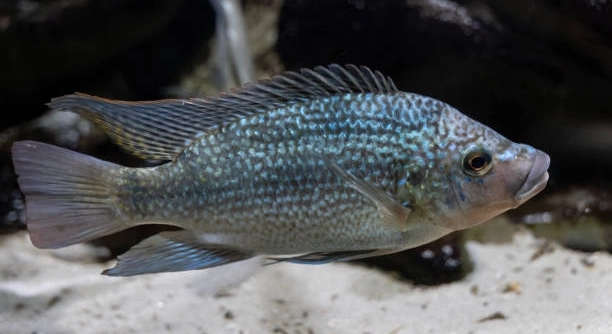
Many aquarium owners notice their African cichlids picking up and swallowing sand during tank time. This behavior can seem puzzling and may raise concerns about the fish’s health and environment. Understanding why it happens is important for proper care.
African cichlids often eat sand to search for food particles or to aid digestion by grinding food in their digestive tract. This natural behavior also helps them explore their environment or alleviate nutritional deficiencies. It is generally normal but should be monitored.
Recognizing the reasons behind this habit helps maintain your fish’s well-being and keeps the aquarium environment healthy for longer.
Reasons African Cichlids Eat Sand
African cichlids often eat sand because they sift through it looking for small food particles like tiny crustaceans, algae, or detritus. This behavior is natural, as these fish evolved in environments where they pick food from the substrate. Sometimes, the sand helps grind up food in their digestive system, similar to how birds use grit. Additionally, cichlids may swallow sand when they feel stressed or are exploring their tank environment. The type of sand used in the aquarium can also influence this behavior. Fine sand is easier for them to sift and swallow compared to coarser substrates. If the sand lacks nutrients or essential minerals, the fish might ingest more to compensate. Monitoring water quality and providing a balanced diet can reduce excessive sand eating, which might otherwise lead to digestive issues.
African cichlids eating sand is a typical behavior linked to feeding and digestion. It’s not always a sign of a problem.
Watching your cichlid interact with its environment can reveal much about its needs. Proper substrate choice and diet help support natural behaviors while protecting their health. You might want to experiment with different sand types or adjust feeding routines to see if sand ingestion changes. If your fish begins to show signs of distress or digestive trouble, it’s best to consult a specialist. Some owners add sinking pellets or supplements to ensure the fish get proper nutrients without relying on substrate ingestion. Creating a comfortable habitat with hiding spots and clean water also reduces stress-driven sand eating. Ultimately, understanding these habits makes aquarium care more effective and enjoyable.
Preventing Problems from Sand Eating
While sand eating is normal, it can sometimes cause digestive blockages or other issues.
To avoid this, ensure the sand is fine and safe for your cichlids to swallow without sharp edges. Regularly check water quality to prevent stress, which can increase this behavior. Providing a varied diet with sinking foods helps reduce the need for searching in the substrate. Observing your fish’s health and activity will alert you to any problems early. Taking these simple steps supports your cichlids’ health and keeps your tank balanced.
Is Sand Eating Harmful to African Cichlids?
Eating small amounts of sand is generally harmless to African cichlids. Problems arise only if they ingest excessive sand or if the substrate is sharp or contaminated.
Ingesting too much sand can cause digestive blockages, leading to lethargy or loss of appetite. If the sand is rough or contains harmful substances, it may damage the fish’s mouth or digestive tract. It is important to choose smooth, aquarium-safe sand and maintain a clean tank to reduce risks. Observing your cichlids regularly can help catch early signs of discomfort or illness caused by sand eating.
Most African cichlids manage this behavior without issues when the environment is suitable. Careful tank setup and good feeding practices minimize potential harm. If your fish show unusual behavior, consulting a veterinarian or experienced aquarist is advisable to address possible complications.
Tips to Manage Sand Eating Behavior
Provide a balanced diet that meets all nutritional needs to reduce the urge to eat sand.
Ensure the substrate is fine-grained and free of sharp edges to prevent injury. Clean the tank regularly to avoid buildup of harmful bacteria or debris that might encourage sand ingestion. Consider adding sinking pellets or specially formulated foods to supplement their diet. Enrich the tank with hiding spots and decorations to keep your cichlids engaged and less focused on digging excessively. Consistent water quality checks are essential to keep your fish healthy and reduce stress-related behaviors. Managing these factors helps maintain a stable and safe environment for your African cichlids.
Signs Your Cichlid Is Eating Too Much Sand
If your cichlid spends most of its time sifting sand or appears bloated, it may be eating too much. Watch for changes in behavior like reduced swimming or loss of appetite.
Physical signs like swelling around the belly or unusual buoyancy can indicate digestive trouble caused by excess sand ingestion.
How to Choose the Right Substrate
Select a soft, fine-grain sand designed specifically for cichlid tanks. Avoid sharp or coarse gravel that can injure your fish. Proper substrate supports natural behaviors while minimizing risks of harm or digestive problems.
When to Seek Professional Advice
If your cichlid shows persistent signs of distress such as lethargy, refusal to eat, or abnormal swimming patterns, consult an aquatic veterinarian or experienced specialist promptly.
Maintaining a Healthy Tank Environment
Regular water changes and cleaning reduce stress and support your fish’s well-being.
FAQ
Why is my African cichlid eating sand constantly?
African cichlids naturally sift through sand to find food particles and help with digestion. However, constant sand eating might mean they are not getting enough nutrients from their diet or feel stressed. It can also happen if the sand contains food debris or if they are bored. Make sure their diet is balanced and tank conditions are comfortable.
Can eating sand harm my cichlid?
Eating small amounts of smooth, aquarium-safe sand is usually harmless. Problems occur if your cichlid swallows large amounts or if the sand is sharp or dirty. This can cause digestive blockages or injuries. Regular tank maintenance and using the right substrate help prevent these issues.
How can I tell if sand eating is causing a health problem?
Watch for signs such as bloating, lethargy, reduced appetite, or abnormal swimming. These may indicate digestive issues. If you notice any of these symptoms, consider adjusting the tank environment or diet, and consult an expert if the problem continues.
What type of sand is best for African cichlids?
Fine, smooth sand made specifically for freshwater cichlid tanks is best. Avoid coarse or sharp gravel that can harm their mouths and digestive systems. Proper substrate encourages natural behaviors without risking injury.
Should I change the substrate if my cichlid eats too much sand?
If your cichlid shows signs of distress or health problems, switching to a softer, safer substrate can help. Also, maintaining good water quality and feeding practices may reduce excessive sand ingestion.
Does diet affect sand eating behavior?
Yes. A diet lacking in certain nutrients can lead to increased sand eating as the fish tries to find missing minerals. Providing a varied, nutrient-rich diet reduces this behavior and supports overall health.
How often should I clean the substrate to prevent sand eating problems?
Regular cleaning, at least once a week or during water changes, removes leftover food and waste that attract sand-sifting. This keeps the environment healthy and reduces the need for fish to eat sand in search of food.
Can stress cause my cichlid to eat more sand?
Stress from poor water quality, overcrowding, or lack of hiding spaces can increase sand eating as a coping behavior. Ensuring stable tank conditions and providing enrichment helps lower stress levels.
Is it normal for African cichlids to swallow sand during breeding?
Yes, during breeding, cichlids may move sand to prepare spawning sites or protect eggs. This can lead to more sand ingestion but is part of their natural reproductive behavior.
How can I keep my cichlids healthy if they eat sand?
Maintain a clean tank, provide balanced nutrition, choose proper substrate, and monitor fish behavior. Early detection of problems and timely care ensure your cichlids stay healthy despite sand-eating habits.
What should I do if my fish appears blocked from eating sand?
If you suspect a blockage, isolate the fish if possible, and consult a vet experienced with fish. Avoid feeding for a short period and provide water with mild laxatives like Epsom salt under guidance to help relieve constipation.
Are there alternatives to sand that are safe for African cichlids?
Some aquarists use very fine gravel or bare-bottom tanks to reduce risks of sand ingestion. However, African cichlids prefer sand for natural behavior, so alternatives should be chosen carefully to keep the fish comfortable.
Can changing tank decorations reduce sand eating?
Adding rocks, plants, or caves can distract cichlids from constant digging in the sand. This can reduce sand ingestion caused by boredom or stress while enriching their environment.
Is sand eating more common in certain cichlid species?
Yes, species that naturally sift substrate for food, like Mbuna cichlids, tend to eat sand more than others. Understanding your specific species’ habits helps tailor care and tank setup accordingly.
African cichlids eating sand is a natural behavior that comes from their instinct to search for food and aid digestion. This activity helps them sift through the substrate to find small particles like algae, crustaceans, or leftover food. It can also assist in grinding food in their digestive system, much like birds use grit. While this behavior is typical and usually harmless, it is important to watch for any signs that it might become excessive or cause health problems. Understanding this behavior helps fish owners create a safe and comfortable environment for their cichlids.
Choosing the right type of substrate plays a key role in keeping your cichlids healthy. Fine, smooth sand made for freshwater tanks is best because it is gentle on their mouths and digestive tracts. Coarse or sharp gravel can cause injury or digestive blockages if swallowed. Along with substrate choice, providing a balanced and nutritious diet reduces the need for cichlids to rely on sand ingestion for extra nutrients. Regular tank maintenance, including water changes and substrate cleaning, prevents harmful buildup and keeps your aquarium environment safe.
It is also important to pay attention to your cichlid’s behavior and health. Signs such as lethargy, bloating, or changes in appetite can indicate problems related to sand eating or other tank conditions. If these signs appear, adjusting diet, substrate, or tank environment may help. In more serious cases, consulting a fish health expert is recommended. By combining proper tank setup, feeding, and regular monitoring, you can support your African cichlid’s natural habits while ensuring they remain healthy and active in their home.

Hello,
If you enjoy the content that we create, please consider saying a "Thank You!" by leaving a tip.
Every little bit helps us continue crafting quality advice that supports the health, happiness, and well-being of pets around the world, for pets of all shapes, sizes, and species.
We really appreciate the kindness and support that you show us!